Myth 1: Scheduled Care Always Means Faster Care
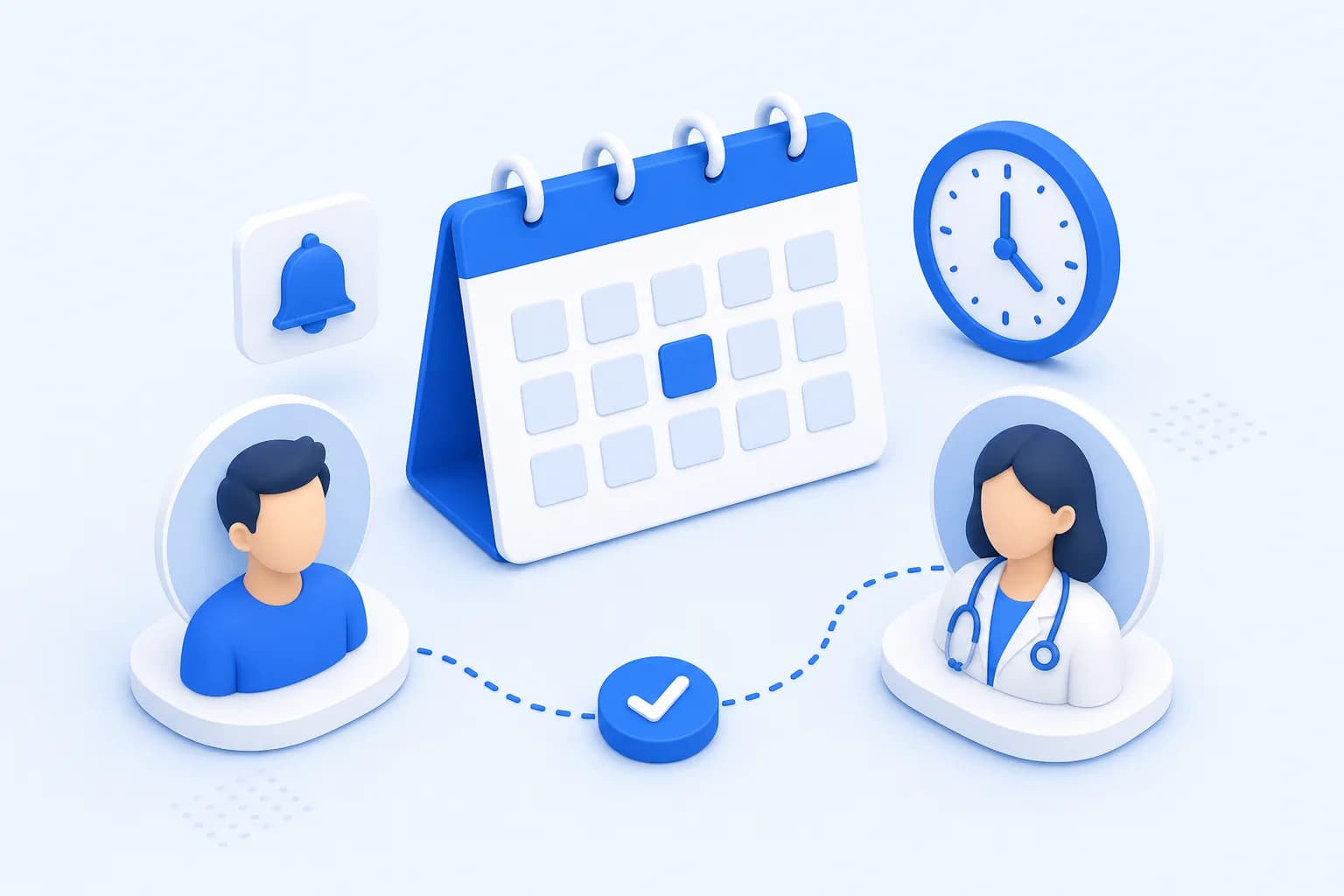
An appointment reserves access to a service, but it does not guarantee an exact consultation start. Variable clinical needs, emergency interruptions, and late upstream tasks can still create delay. Hospitals should communicate a realistic arrival window and measure the difference between scheduled, arrival, and consultation times.
Scheduled flow performs best when visit types have sensible durations and clinicians begin with complete information. If every booking uses the same slot length, the calendar creates an illusion of precision. Reliable scheduling depends on operational design, not merely on issuing timestamps.
“Fairness is not making every patient wait in the same line; it is making the rules visible and clinically defensible.”
Myth 2: Walk-Ins Must Be Served Strictly First Come, First Served
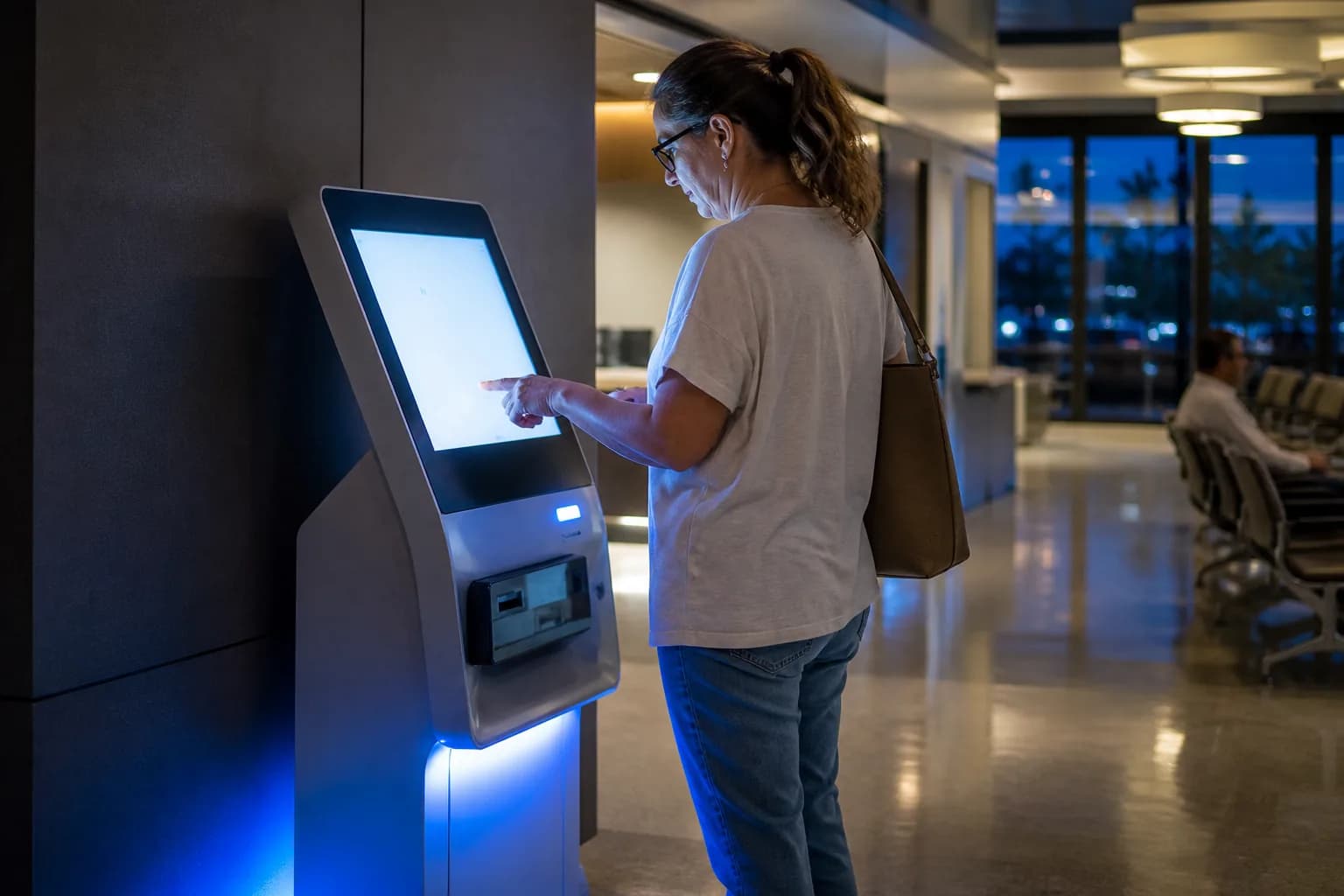
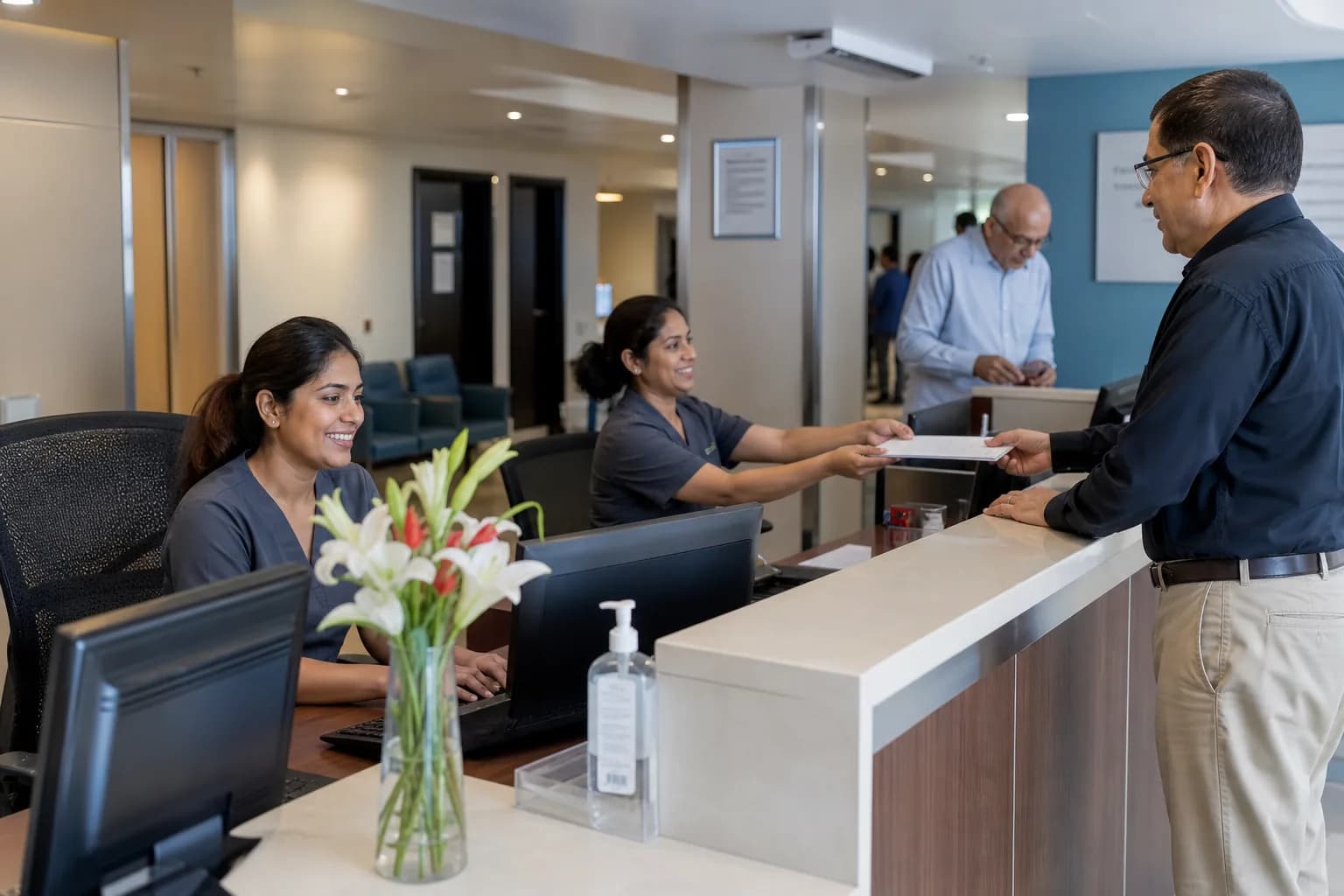
Arrival order is easy to understand, but it can be unsafe when symptoms differ in urgency. A brief clinical triage should identify patients who require immediate attention or redirection to emergency services. Within the same priority group, arrival order can remain a transparent tie-breaker.
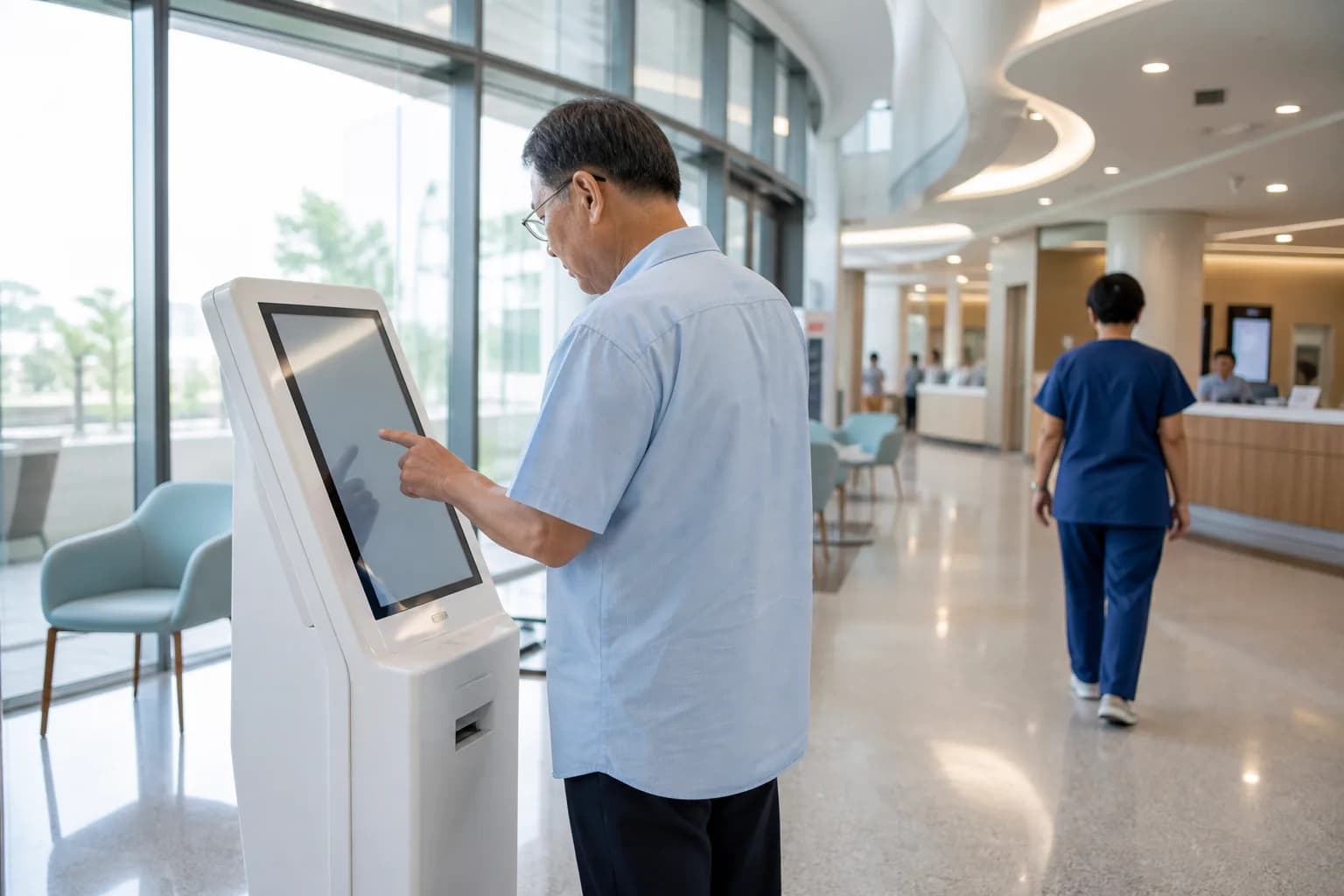
Queue displays should use tokens or privacy-safe identifiers and avoid revealing symptoms. Staff must record priority changes and the reason for them. This protects patients, supports review, and reduces perceptions that influence or persistence determines position.

Walk-in intake essentials
- Rapid identity check
- Clinical urgency screen
- Service eligibility
- Estimated wait communication
- Emergency escalation path
Myth 3: Hospitals Must Choose One Model
Most OPD services need a blended model because demand includes planned follow-ups, new concerns, and unpredictable urgent needs. Allocate capacity deliberately among scheduled, same-day, and protected urgent slots. The proportions should vary by specialty, weekday, season, and branch rather than follow one hospital-wide ratio.
When scheduled demand is low, release unused capacity to eligible walk-ins through controlled rules. When walk-in demand surges, offer future appointments or another branch instead of allowing an unlimited queue. HealUDoc can provide the shared capacity view needed to make those offers reliably.

Myth 4: More Walk-In Slots Automatically Improve Access
Increasing walk-in capacity may shorten today's queue while undermining continuity and follow-up reliability. Patients who cannot spend hours waiting may be disadvantaged even when nominal access expands. Measure abandonment, total time on site, repeat visits, and clinical continuity alongside visit volume.
Access options should include patient-portal booking, assisted telephone scheduling, same-day requests, and clinically appropriate virtual follow-up. Multiple channels need one inventory or they will compete for the same capacity. Staff must never hold invisible private lists that bypass agreed rules.

Measures beyond visit volume
- Time to clinical contact
- Patients leaving unseen
- Continuity with care team
- Repeat visit rate
- Access by patient group
Myth 5: Separate Queues Are Easier to Manage
Independent walk-in and scheduled lists hide the actual workload facing clinicians and rooms. A unified operational view can preserve each patient's access type while applying triage, eligibility, and fairness rules consistently. Supervisors can then rebalance staff before either queue becomes unsafe.
The data model should retain scheduled time, arrival time, access channel, priority, and each queue transition. This makes it possible to compare models without collapsing unlike patients into one average. Role-based access ensures public-facing teams see status while clinical rationale remains protected.

Choose a Blended Model With Evidence
Pilot capacity rules within one service and publish them to both staff and patients. Review delays by access type and priority, then check whether one group is being displaced systematically. Include clinicians, receptionists, and patient representatives when changing the balance.
A strong model makes uncertainty manageable rather than pretending it can be eliminated. Connect appointments to OPD documentation, lab, pharmacy, and billing so downstream demand is visible. The best comparison is therefore not walk-in versus scheduled, but unmanaged demand versus coordinated access.