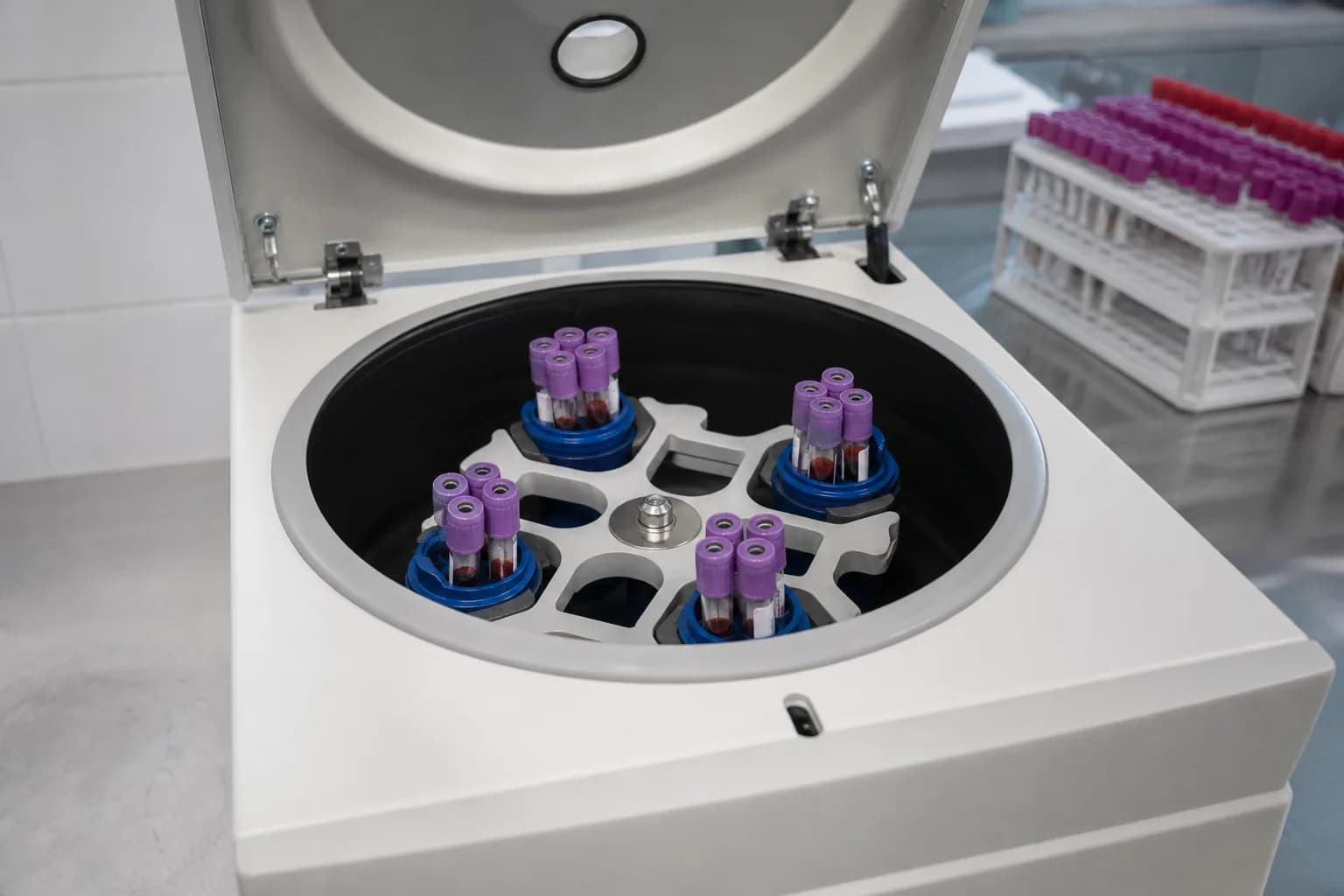
Results Are Moving Beyond Digital Documents
A scanned report is viewable, but its values cannot reliably drive trends, alerts, or decision support. Structured reporting stores the analyte, value, unit, reference interval, abnormal flag, method context, and specimen details as discrete data. The rendered report remains important, yet it should be generated from authoritative structured content.
This shift supports longitudinal charts, medication monitoring, population health, and safer handoffs between branches. It also makes data-quality defects more visible because units and codes must be consistent. Hospitals should treat result structure as clinical infrastructure rather than a formatting project.
Minimum structured elements
- Test and analyte identifier
- Numeric or coded result
- Unit and reference interval
- Specimen and collection time
- Verification and status
Terminology Governance Is Becoming Operational
Local test names often multiply as analyzers, branches, and vendors are added. A governed catalog maps orderables, performed tests, panels, specimen types, units, and external standards without erasing necessary local detail. Ownership must include laboratory medicine, informatics, and downstream clinical users.
Changes require versioning because a renamed or remapped analyte can distort historical trends. Validate interfaces with representative normal, abnormal, textual, and corrected results. Multi-branch systems should harmonize where clinically valid while preserving branch-specific methods and reference intervals.
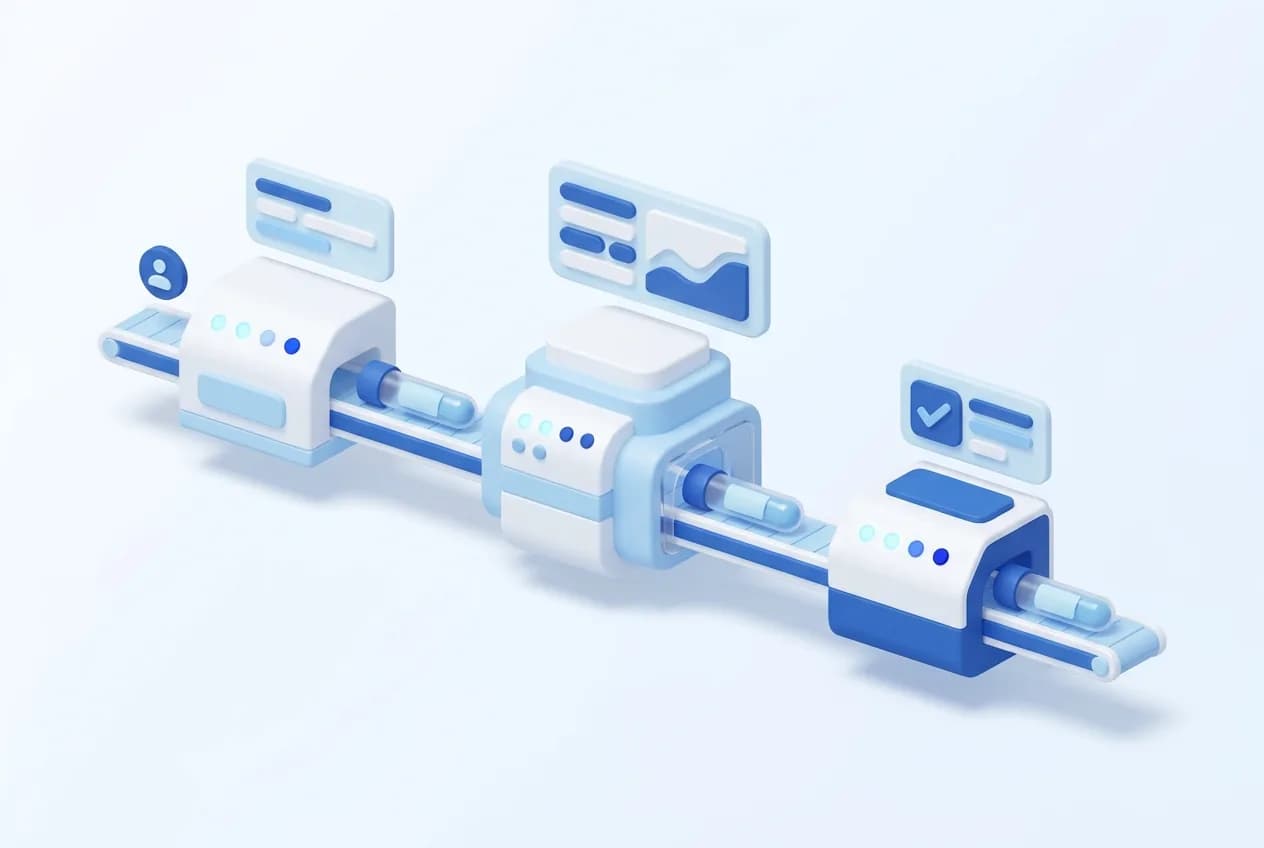
Critical Values Are Becoming Closed-Loop Workflows
An on-screen red flag does not prove that a responsible clinician received and acted on a critical result. Closed-loop workflows identify the result, recipient, notification channel, acknowledgment time, escalation, and any read-back requirement. Policies must define different pathways for OPD, IPD, emergency, and discharged patients.
Automation should support trained staff rather than make independent clinical judgments. If the first recipient does not acknowledge within the target, escalate to an approved role and preserve every attempt. Role-based access should expose enough context to act while limiting unnecessary disclosure.

“A critical alert is complete only when responsibility is accepted, not when a message leaves the laboratory.”
Patient Release Requires Deliberate Design
Patient portals increasingly provide direct result access, improving transparency and reducing calls. Hospitals still need policies for release timing, sensitive tests, corrected reports, minors, and results requiring immediate clinical contact. Blanket delays can undermine trust, while indiscriminate release can create avoidable harm.
Use plain-language context without replacing clinician interpretation. Show reference intervals carefully because normal ranges vary by method, age, sex, and other factors. HealUDoc can coordinate portal publication with verified status and critical-value workflows so patients do not receive an unverified result.

Portal release safeguards
- Verified-result requirement
- Sensitive-test policy
- Correction notification
- Plain-language explanation
- Contact and follow-up route
Corrections Need Full Provenance
Laboratory reports may change after verification because of transcription errors, instrument findings, or additional interpretation. A corrected result must never overwrite the original without trace. Preserve prior values, change reason, author, time, and notifications to clinical recipients.
Downstream EHR views, printed reports, portals, and interfaces must all display the current status consistently. Test corrections end to end, including acknowledgment when the original was critical. Audit logs should be reviewable by authorized quality leaders and protected against ordinary editing.
The Next Step Is Trustworthy Reuse
Structured results enable analytics and clinical support only when provenance and quality are reliable. Monitor unmapped tests, unit mismatches, implausible values, interface failures, and delayed acknowledgments. A dashboard should lead to accountable remediation rather than merely count defects.
HealUDoc can connect structured lab information with OPD, IPD, pharmacy, and billing workflows across branches. Governance remains essential because technical connectivity does not resolve clinical ambiguity. Hospitals that invest in shared definitions and closed-loop action will gain more value than those that simply digitize the report.