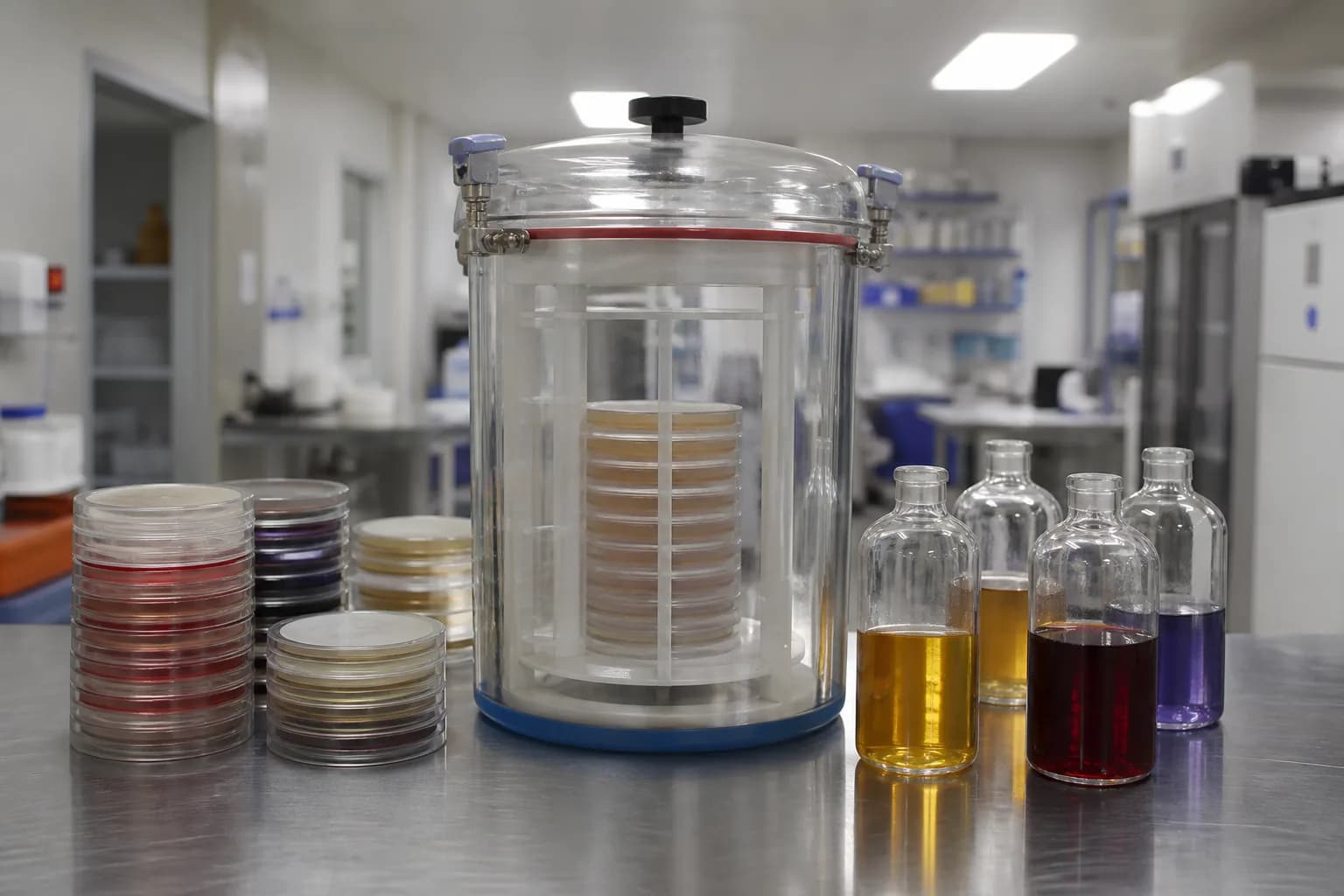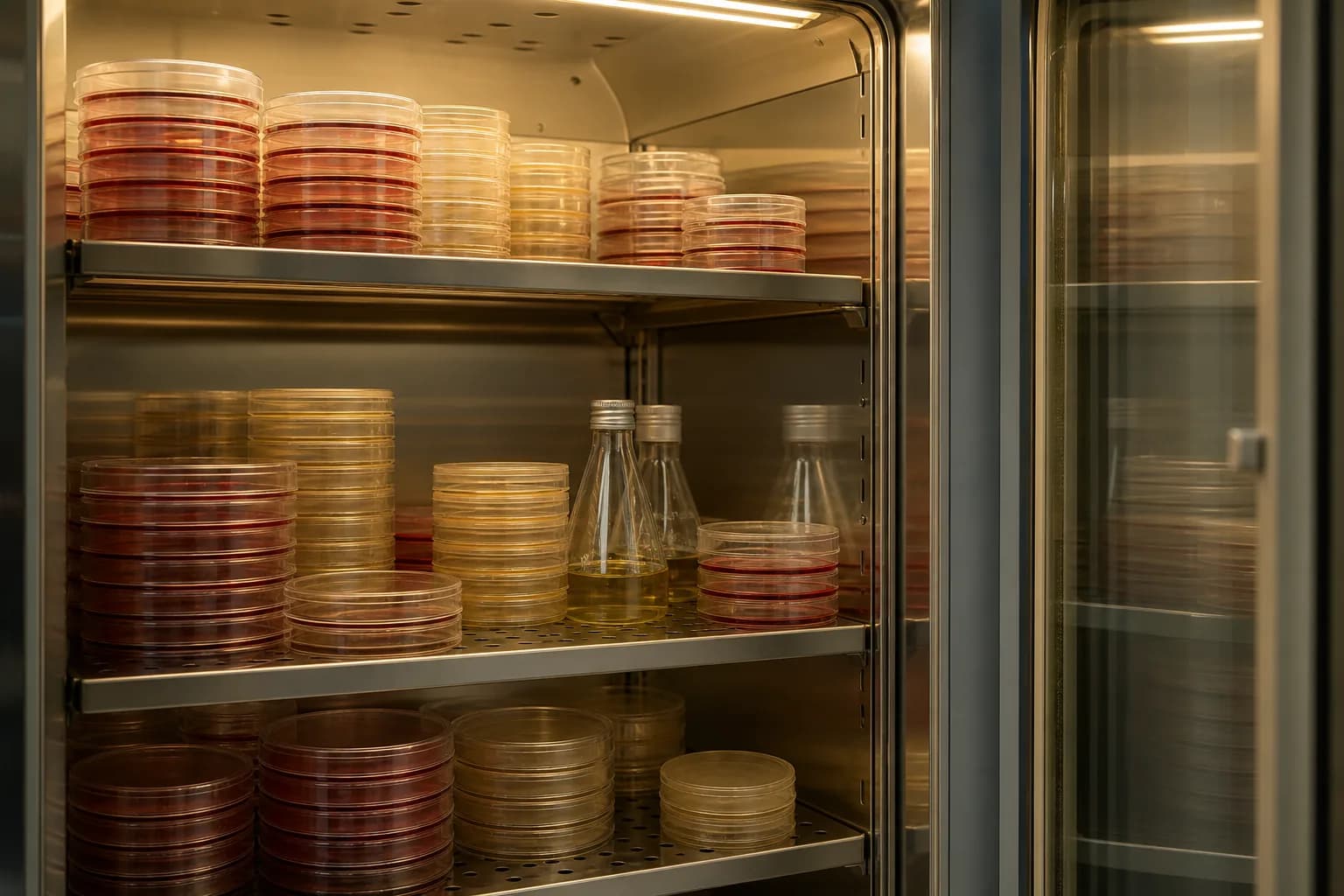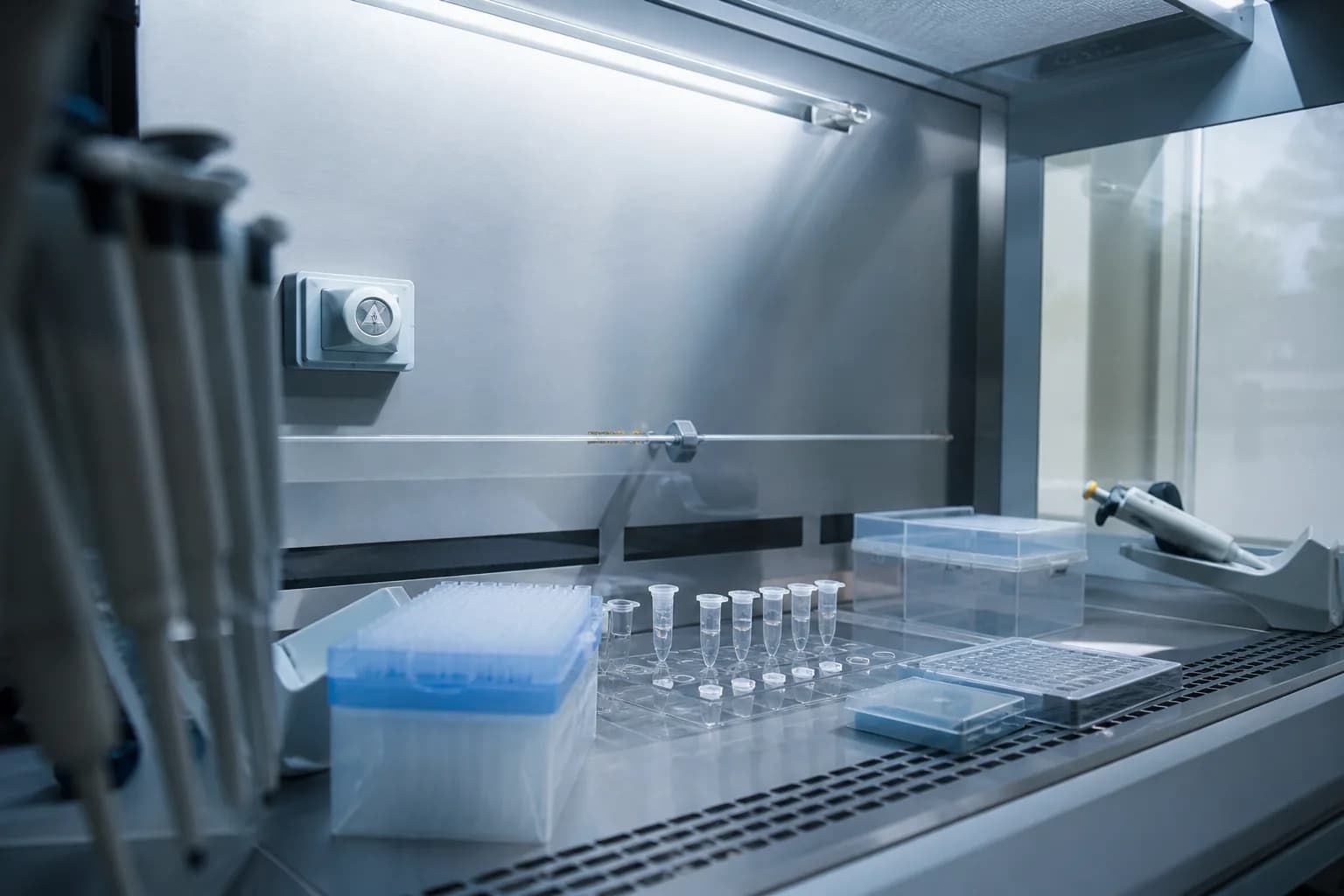
In home collection sample logistics, the clock starts at the draw
Home collection sample logistics is the problem of keeping a specimen analytically valid between a patient's living room and the laboratory bench. The moment blood enters the tube, biochemical processes begin that will change the result: cells continue metabolising, analytes degrade, and some parameters shift measurably within an hour. Transport is not neutral time.
This is what makes home collection operationally harder than it appears from the patient's side. The draw is the easy part; the logistics are the service. A phlebotomist who collects flawlessly and then carries the samples for four unrefrigerated hours has produced results that may be wrong in ways nobody downstream can detect.
The essential discipline is to treat every specimen as having an expiry that started at collection. Once that framing is in place, routing, batching, temperature control, and courier design all follow as consequences rather than as separate policies.
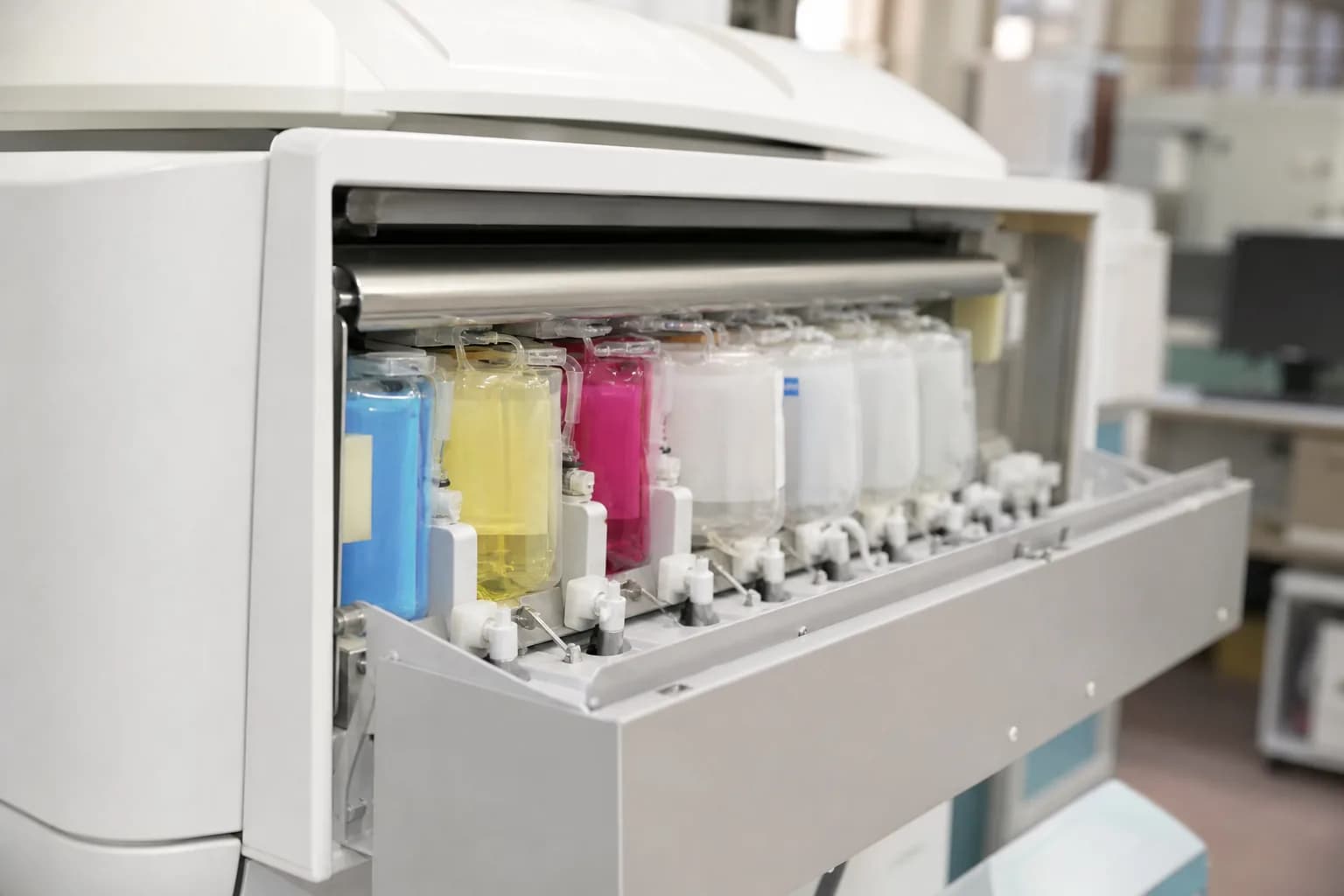
Stability windows and temperature requirements per test
Different analytes tolerate different conditions, and the requirement belongs in the test catalogue where the collection app can read it. Some tests need the sample centrifuged and separated within a stated period. Some need transport chilled, some must not be chilled at all, and some are light-sensitive. A single set of instructions applied to all home collections will be wrong for a portion of them.
The practical consequence is that a home collection worklist should generate its own handling instruction from the tests ordered — which containers, which need cooling, which need to reach the laboratory within a shortened window. Leaving this to the phlebotomist's memory guarantees failures on the less common tests, which are exactly the tests that are hardest to recollect.
Where a test cannot survive the realistic transport time for a given location, the honest answer is not to offer it as a home collection in that area. Booking a test the logistics cannot support produces a rejected sample, a second visit, and a patient who has fasted twice. Encoding feasibility by route and by test in the booking flow prevents the promise being made.
Transport logs and excursion handling
A cold chain claim without a temperature record is an assertion. Transport boxes should carry a temperature logger, and the log should be reconciled against the samples it accompanied on arrival. Continuous loggers give the whole profile; simple minimum-maximum indicators are cheaper and answer the essential question of whether the box went out of range.
The more important piece is what happens on an excursion. The laboratory needs a written rule stating which tests are compromised by which deviation, who makes the decision, and whether the affected results are suppressed, released with a comment, or the sample rejected outright. Without that rule, the decision falls to whoever receives the box, and it will be made inconsistently.
Excursions should also be recorded as events with cause, because they cluster in identifiable ways: a specific route in summer afternoons, a box with a failing seal, a phlebotomist whose gel packs are not adequately frozen at the start of the shift. Recording only that an excursion occurred, without the surrounding conditions, produces a count nobody can act on.
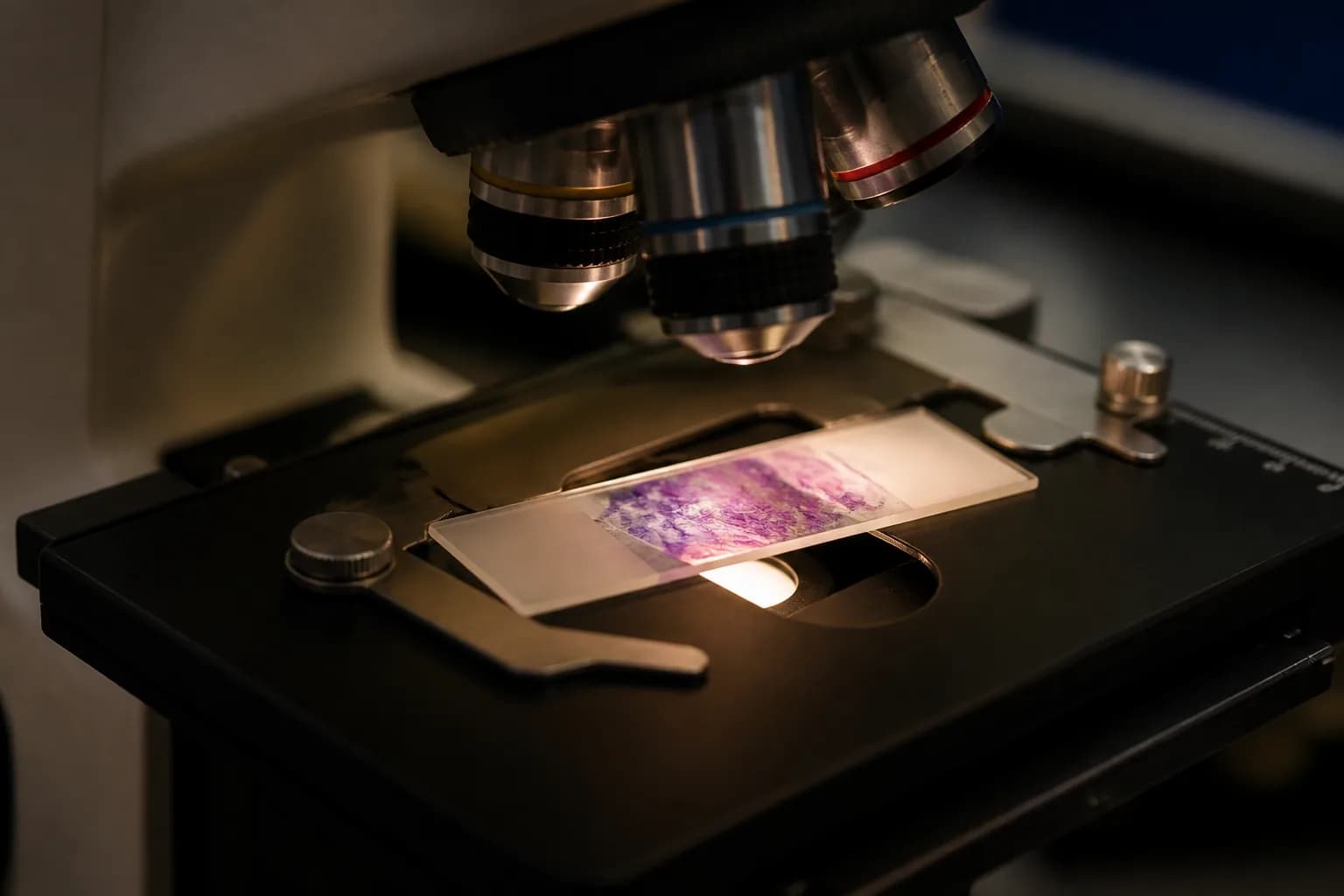
What a transport record should capture
- Collection time for each sample in the consignment
- Time the consignment was sealed and handed to transport
- Temperature profile or minimum-maximum reading for the journey
- Handover events with named custody at each transfer
- Arrival time and the condition of the box and its contents
- Any excursion, its duration, and the disposition decision taken
Batching versus speed: the routing tradeoff
Every home collection operation faces the same tension. Batching several collections into one run reduces cost per sample and makes the route economic; dispatching immediately after each collection preserves stability but is expensive. The right answer varies by test mix, by geography, and by time of day, and it should be a designed decision rather than an emergent habit.
The workable compromise for most operations is a stability-aware batching rule: samples for tests with short windows trigger dispatch, while stable-analyte collections wait for the batch. That requires the routing system to know what was collected, which is another reason handling attributes need to live in the catalogue rather than on paper.
Traffic reality has to be built into the model rather than treated as an exception. In dense Indian urban routes, the difference between a mid-morning and an evening run can be substantial, and an operation planned around optimistic transit times will fail predictably at the same hours every day. Measure actual collection-to-receipt times by route and hour before setting the batching policy.
Courier accountability and handover records
Where transport is outsourced or handled by a separate internal team, the handover is the point at which accountability transfers, and it needs a record. A scanned handover — the courier scanning the consignment and each transfer point being recorded — converts a shared assumption into a chain of custody that can be examined when a sample does not arrive.
Contracts and internal service agreements should state the transit time commitment, the temperature commitment, the handover recording requirement, and what happens on failure. Vague commitments produce vague accountability, and a courier who has never been shown their own excursion rate has no reason to change anything.
Visibility helps the laboratory as much as the courier. When a clinician calls about a pending home collection result, the answer should come from the consignment status rather than from a phone call to the collection team. A platform such as HealUDoc can carry the collection, transport, and receipt events against the order so the laboratory answers the enquiry from the record.
Sample integrity as a reportable metric
Home collection quality should be measured continuously, not investigated after complaints. The core measures are collection-to-receipt time by route, rejection rate for home-collected samples compared with in-facility collection, excursion frequency by route and season, and recollection rate — the proportion of patients who had to be visited again.
Recollection rate is the metric that most closely tracks patient experience, because it is the failure the patient actually experiences. It also has a direct cost, since a second visit consumes a slot, a phlebotomist trip, and consumables while generating no additional revenue. Presented that way, logistics investment becomes an easier internal argument.
Compare home collection rejection against facility collection for the same tests rather than against a general benchmark. A gap between the two is specific and actionable — it isolates the logistics contribution from the collection technique contribution, which are usually addressed by different people.
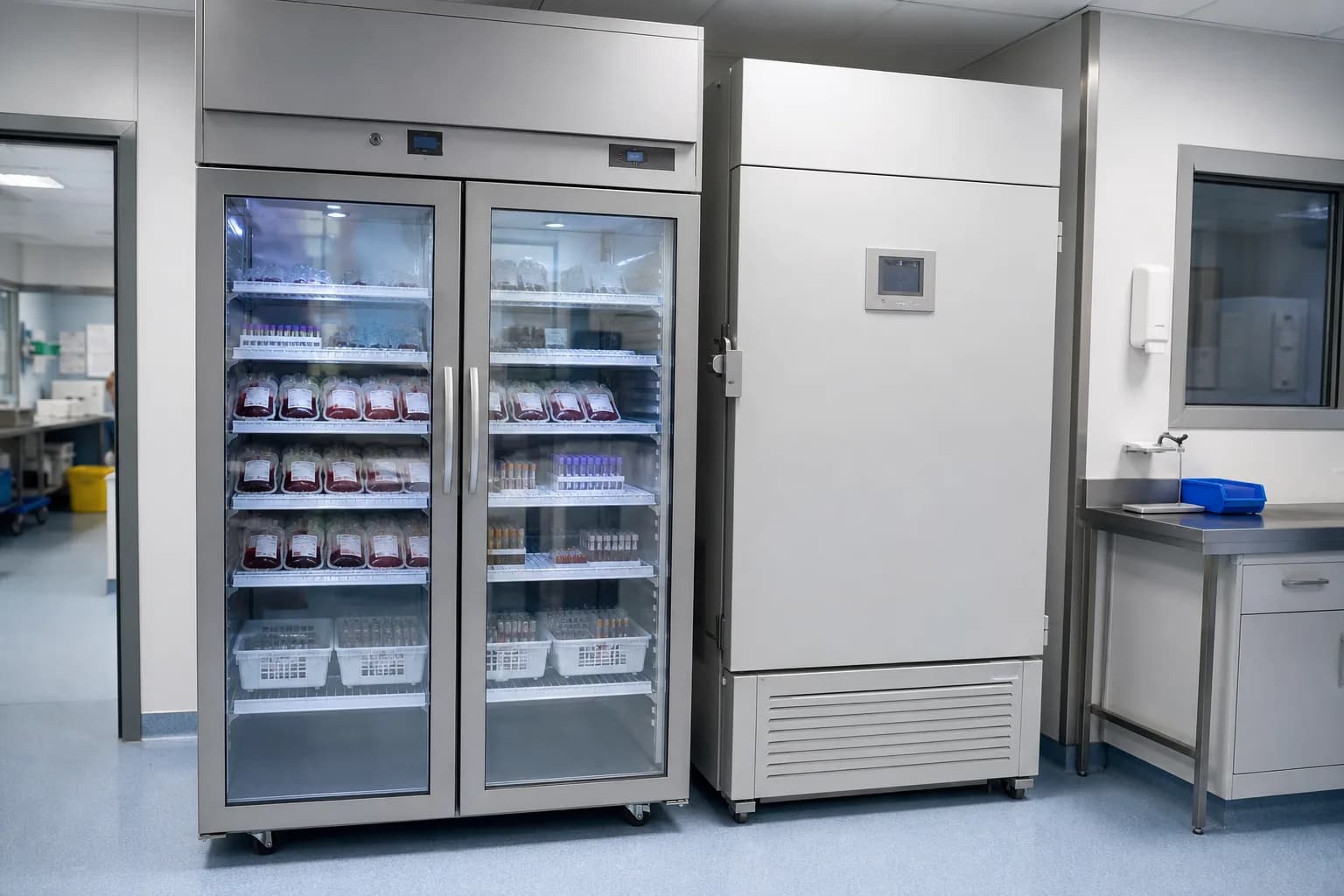
What the patient experiences when logistics fail
A failed home collection is not a laboratory inconvenience. The patient fasted, took time away from work or care responsibilities, and expected a result. Being asked to repeat all of that because a sample haemolysed in transit is a service failure, and it is one of the more common reasons patients abandon a home collection service after a single attempt.
The communication response matters more than the apology. A patient should be told promptly, given a specific recollection appointment rather than an instruction to rebook, and told whether they need to fast again. Handling a failure well recovers most of the relationship; handling it silently does not.
Consent and data handling apply at home exactly as they do in a facility. The collector is entering a private space, handling identifiable health data on a mobile device, and often collecting payment. Under the DPDP Act 2023, that device and that workflow are part of the hospital's data protection perimeter, which means device controls and access rules extend to the field team rather than stopping at the hospital gate.
“The patient does not distinguish between a bad draw and a bad journey. They only know they fasted twice for one blood test.”