Why the histopathology workflow needs its own model
A histopathology and cytology digital workflow cannot be built by configuring the clinical chemistry module differently. Anatomic pathology has a fundamentally different shape: one specimen becomes many physical objects, the result is an interpretation rather than a number, turnaround is measured in days, and the primary record includes tissue that must be retained for years after the report is signed.
The specimen also changes identity as it moves. A resection arrives as one container, is grossed into several cassettes, each cassette becomes a block, each block yields multiple slides, and additional slides may be cut months later for immunohistochemistry or review. A system that models a specimen as a single row cannot represent this.
That structural difference explains most of the frustration hospitals experience when they extend a general laboratory system into pathology. The workflow is not more complex in volume; it is more complex in shape, and it needs parent-child object tracking as a first-class concept rather than as a workaround.
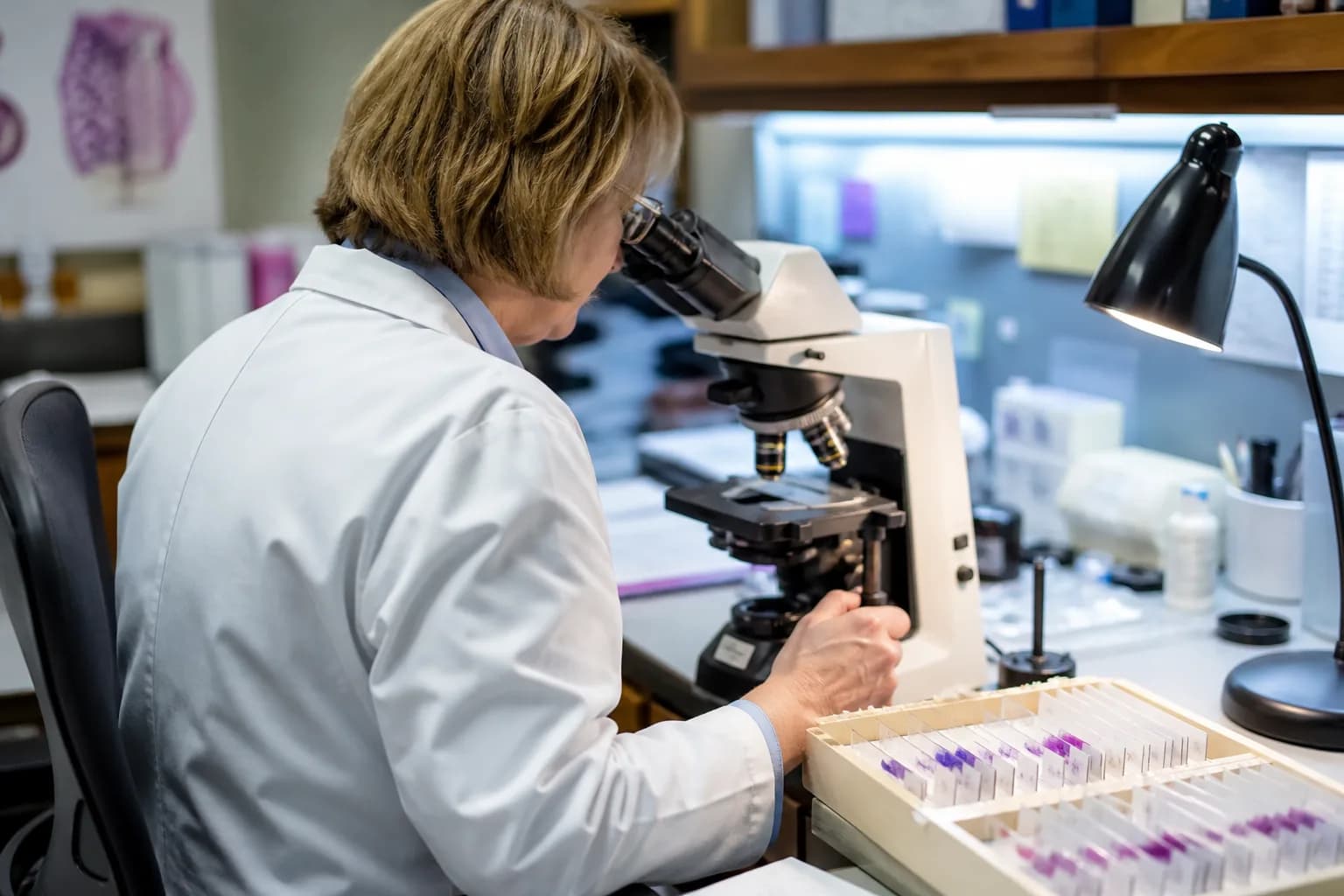
Grossing and cassette tracking
Grossing is where the specimen becomes a set of tracked objects, and it is where identity errors have the most permanent consequences. The gross description, the number of cassettes, and the mapping of each cassette to an anatomical site or margin need to be recorded at the time of grossing rather than reconstructed later from a written note. Once tissue is in a cassette, the only link to its origin is the record.
Cassette identifiers should follow a predictable convention derived from the accession — a suffix scheme that makes cassette, block, and slide obviously related to their parent and to each other. Printed cassette marking rather than handwriting is the single largest quality improvement available in most laboratories, because handwritten cassette labels degrade in processing.
The grossing record should also capture the decisions that affect interpretation later: how margins were inked and what each colour represents, whether the specimen was received fresh or fixed, and the time fixation began. Cold ischaemia and fixation time affect immunohistochemistry and molecular results, so they are analytical variables rather than administrative detail.
Blocks and slides are physical inventory, not records
A histopathology laboratory runs an inventory operation alongside a diagnostic one. Blocks and slides are physical objects that get filed, retrieved, lent to referring institutions, sent for external opinion, recut, and returned. Any of these movements can lose an object that is legally and clinically irreplaceable, because the tissue cannot be recollected.
Storage location should therefore be a tracked attribute with a movement history, not a convention that lives in a technician's memory of which cabinet holds which year. Barcoded slides and blocks make retrieval a scan rather than a search, which matters most when a patient returns years later and a comparison is needed urgently.
Loan tracking deserves particular attention. Material sent out for a second opinion or for a patient transferring care should be recorded with the recipient, the date, the expected return, and a follow-up mechanism. Unreturned material discovered during an accreditation assessment is a common and entirely avoidable finding.
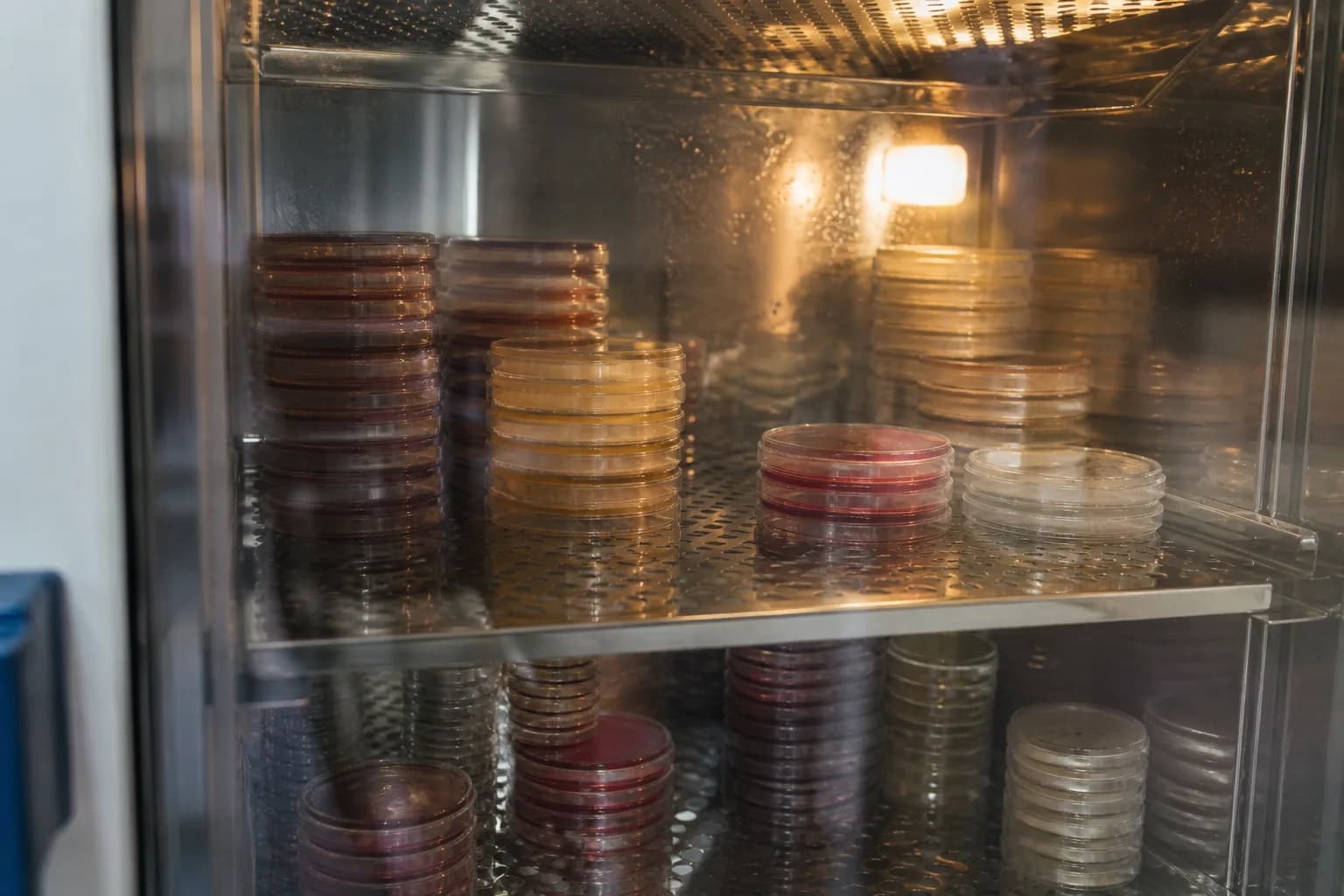
Movements that must leave a record
- Cassette to block after processing and embedding
- Block to slide, including recuts and levels
- Slide to pathologist for reporting and to whom it was reassigned
- Material sent out for second opinion or specialised staining
- Material released to a patient or referring institution
- Return to archive with the storage location recorded
Synoptic reporting for cancer specimens
Narrative pathology reports read well and are difficult to use downstream. Synoptic reporting captures the required data elements for a cancer specimen as discrete fields — tumour type, grade, size, extent, margin status, lymph node counts, and staging elements — so that nothing required is omitted and the report can be consumed by a tumour board, a registry, or an analytics query.
The clinical value is completeness. A narrative report is complete only if the pathologist remembered every element on the day; a synoptic template makes an omission visible before sign-out. For multidisciplinary tumour meetings, structured elements also mean the surgeon and oncologist can find margin status without reading three paragraphs.
The implementation caution is that synoptic templates must remain aligned with current protocols, which are periodically revised. Templates need version control and a rule that historical reports keep the template version under which they were issued. A report reinterpreted against a newer template is a different report.
Second opinion, internal review, and diagnostic discordance
Anatomic pathology quality control is largely peer review, because there is no control material for an interpretation. Laboratories typically define categories that require a second pathologist before sign-out — initial malignant diagnoses, discordance with frozen section, unusual or rare entities, and cases where the interpretation will drive a major surgical decision.
Those reviews need to be recorded as events, not as an informal conversation at a double-headed microscope. The record should show who reviewed, when, and whether the reviewing opinion agreed. Discordance data, tracked over time, is one of the few genuine quality indicators available in anatomic pathology.
External second opinions add a workflow dimension because the material physically leaves. The case should remain visibly open in the system with a status that distinguishes awaiting external opinion from awaiting internal reporting, so that turnaround measurement and clinician enquiries are both answered accurately.
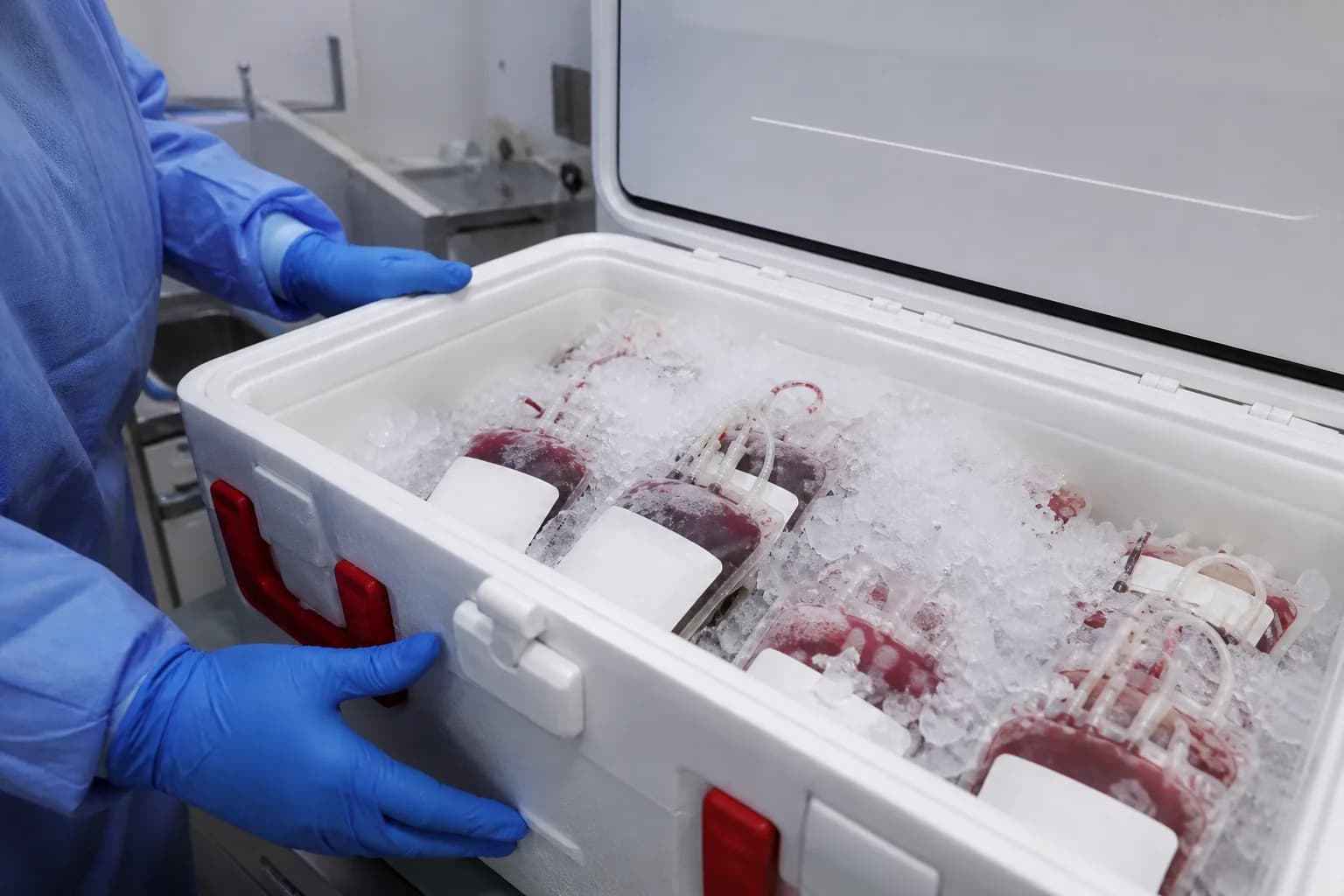
Turnaround and quality control on a different clock
Applying a chemistry turnaround target to histopathology produces meaningless numbers. Tissue processing is an overnight fixed cost, immunohistochemistry adds a defined extra period, decalcification of bone can add days, and a case awaiting external opinion is not delayed by the laboratory at all. Reporting a single average across all of these tells nobody anything useful.
Turnaround should be reported by case complexity category, with the processing-dependent portion separated from the pathologist-dependent portion. That separation is what lets a hospital tell whether reports are slow because the histology laboratory is under-resourced or because reporting capacity is the constraint — two problems with completely different remedies.
The quality indicators also differ. Rather than control charts, anatomic pathology tracks amended report rate, frozen-section to permanent-section correlation, intradepartmental review discordance, and specimen or block identification errors. HealUDoc dashboards can hold these alongside clinical laboratory indicators while keeping the definitions separate, which matters when a quality committee reviews both in one meeting.
Retention, retrieval, and the long tail
Pathology material and reports have retention obligations that extend well beyond most other laboratory records, and the practical requirement is retrieval rather than mere storage. A block that exists but cannot be located within a reasonable time is functionally lost when a patient needs comparison or molecular testing on archived tissue.
Retention policy should distinguish between wet tissue, blocks, slides, and reports, since each has a different period and a different physical constraint. The policy needs to be written, approved, and actually executed, because laboratories that never discard accumulate storage they cannot index.
Plan for the retrieval case explicitly: a request arrives for tissue from a case reported six years ago, for molecular testing that did not exist at the time. The systems, the labelling convention, and the archive index all have to still work. That scenario is the real design target for an anatomic pathology workflow.
“In chemistry a lost sample means a recollection. In histopathology a lost block can mean the patient has to be re-operated, or that the question simply cannot be answered.”