What a tele-emergency network is for
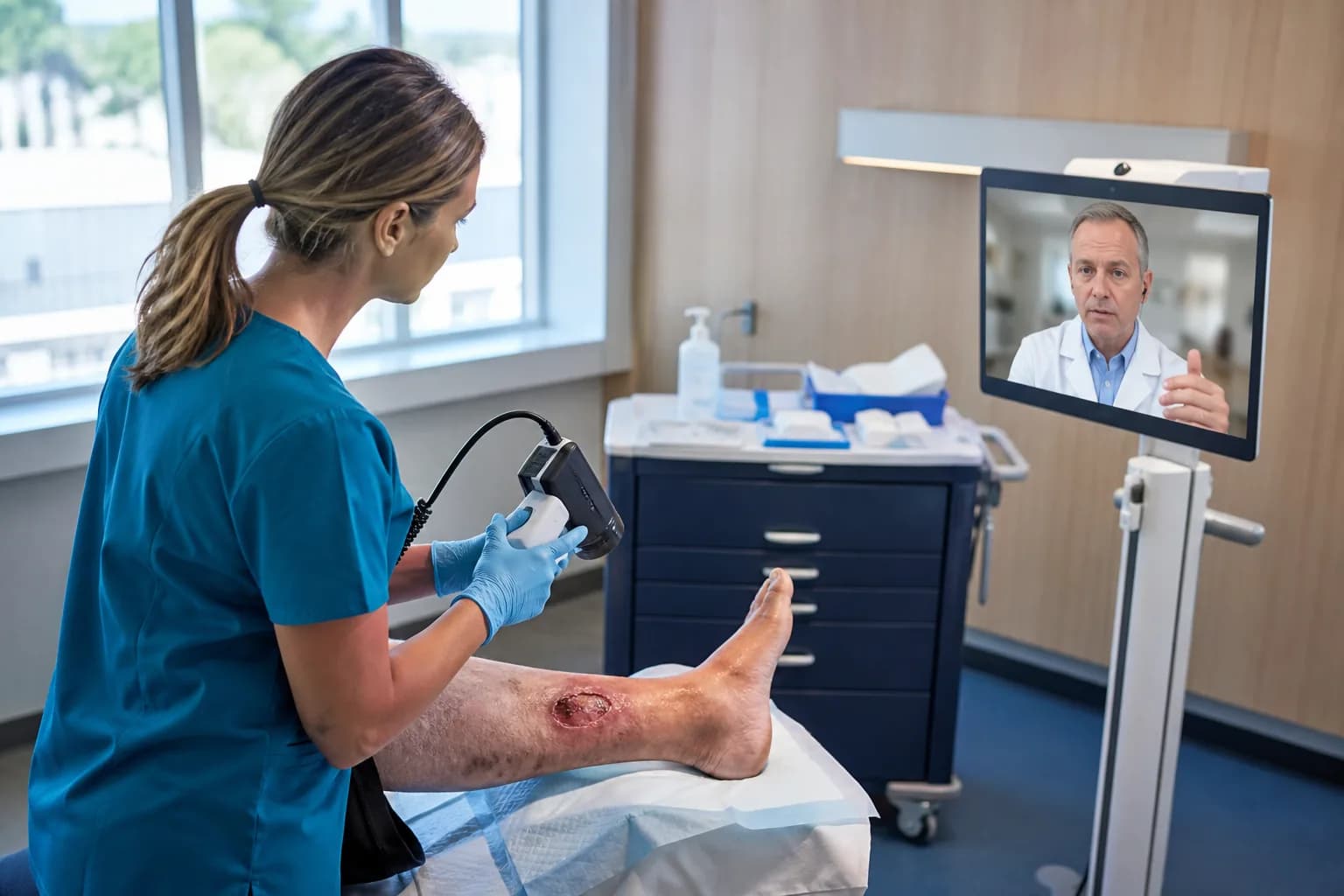
The purpose is to bring a specialist decision to a patient who is in the wrong building. A patient with an acute stroke presenting to a fifty-bed hospital ninety minutes from a comprehensive stroke centre faces a choice that is currently made by whoever is on duty, often without imaging interpretation and without neurology input. A tele-emergency network changes that decision, not the geography. It does not move the patient faster and it does not put a neurologist in the room. It puts the judgement there in the minutes when judgement is the binding constraint.
Indian spoke hospitals are frequently better equipped than the network design assumes. Many district and small private hospitals have a CT scanner, a laboratory, and clinicians capable of delivering thrombolysis or a first-line intervention competently once someone with the relevant expertise confirms the decision. The gap is confidence and specialist confirmation, not capability, and networks designed around that reality achieve far more than networks designed to funnel everything to the hub.
There is also a legal frame worth naming. Indian law is clear that an emergency patient must be attended to, through the Supreme Court's direction in the Parmanand Katara line of cases and through the stabilisation duty in the Clinical Establishments Act framework. A network that helps a spoke stabilise and then transfer appropriately is supporting an obligation the spoke already has, which is a useful way to frame the conversation with reluctant partner hospitals.
The activation call and the first two minutes
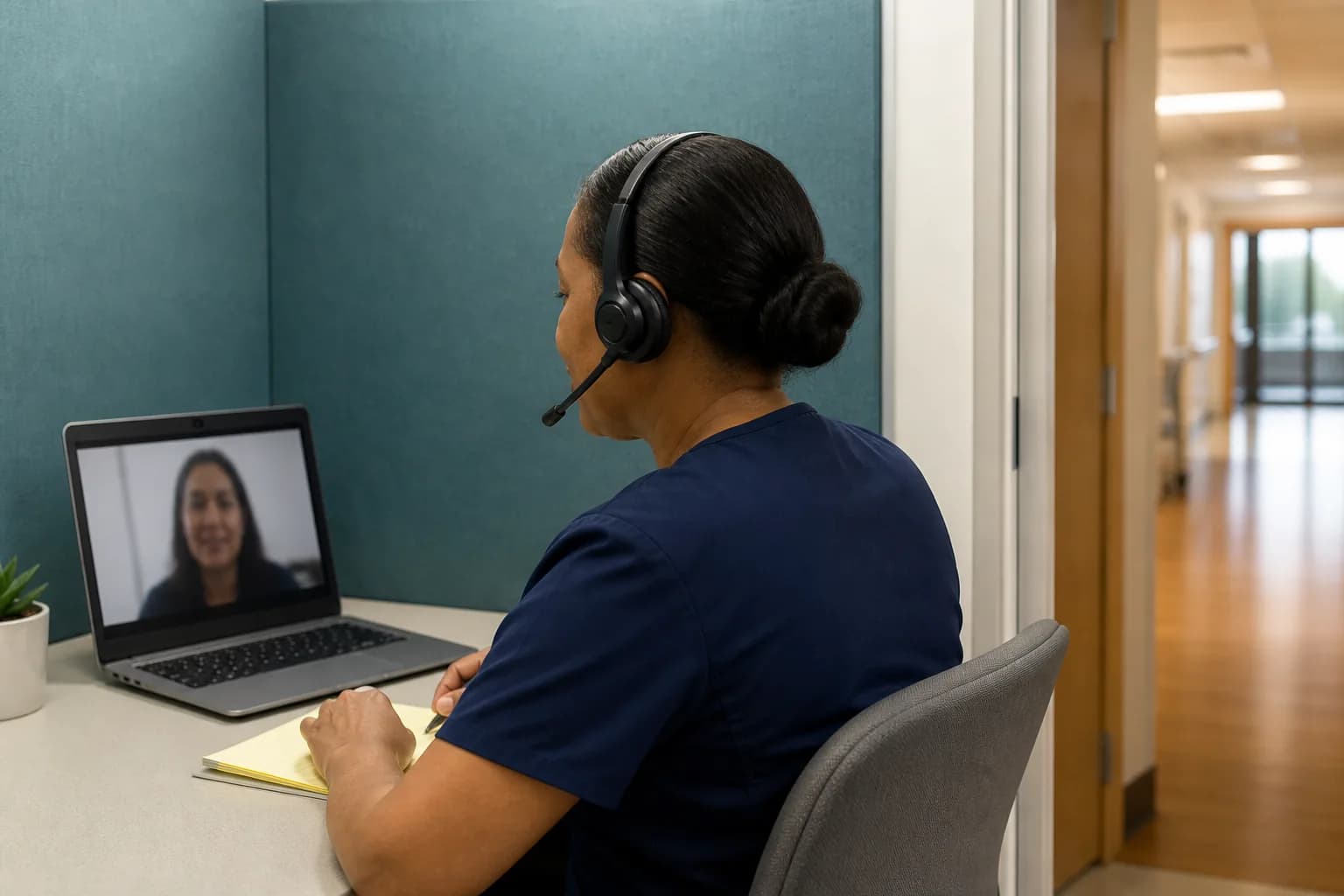
Activation must be a single number, answered by a person, with no triage layer in front of it. Every additional step between a spoke doctor recognising a problem and a hub specialist hearing about it costs minutes that the whole network exists to save. The number should reach a coordinator who can raise the relevant specialist immediately, and the coordinator role needs to be staffed at every hour rather than being an additional duty for someone who is also managing the hub emergency department.
Structure the first exchange. A short scripted handover, delivered the same way every time, gets more usable information across in ninety seconds than an unstructured conversation does in five minutes. Age, presentation, time of symptom onset, vital signs, relevant history, what has been done, and what imaging is available. Print it on a card at every spoke telephone. Spoke doctors under pressure will not remember a protocol; they will read a card.
Then start the clock and make it visible. From activation, both ends should be looking at the same elapsed time, because in time-critical pathways the shared clock is what keeps two teams in different buildings working to the same urgency. Log the activation time automatically rather than asking anyone to note it, since retrospective timestamps in emergency care are unreliable in a way that later becomes an audit finding.
The activation handover script, in order
- Age, sex, and the presenting problem in one sentence
- Time of symptom onset or time last seen well, stated as a clock time
- Current vital signs and level of consciousness
- Relevant history, current medications and known allergies
- What has already been done and what imaging is available now
Tele-stroke: the clock that governs everything
Stroke is the pathway that justifies most tele-emergency networks because the treatment windows are narrow, the benefit is time-dependent, and the decision genuinely requires expertise the spoke usually lacks. Intravenous thrombolysis is generally considered within four and a half hours of symptom onset, and mechanical thrombectomy within a longer window for selected patients on imaging criteria. Every design decision in the pathway should be tested against whether it removes minutes from that window.
Two capabilities make or break it. The spoke needs a CT scanner available and staffed at the hour the patient arrives, with a route for the images to reach the hub neurologist within minutes rather than by a courier or a photograph of a screen. And the hub neurologist needs adequate video to assess the patient, since a stroke severity assessment conducted over video is a recognised practice but requires a picture good enough to see facial asymmetry and limb movement. A blurred phone camera in a corridor is not sufficient.
Be realistic about what the network can fix. If the spoke has no scanner, or has one that is unstaffed after eight in the evening, the tele-stroke pathway for that site is a transfer decision pathway rather than a treatment pathway, and that is worth saying out loud in the design rather than discovering at three in the morning. Mapping each spoke's actual out-of-hours capability, honestly, is the most valuable single document in the whole programme.
Deciding to transfer, and deciding not to
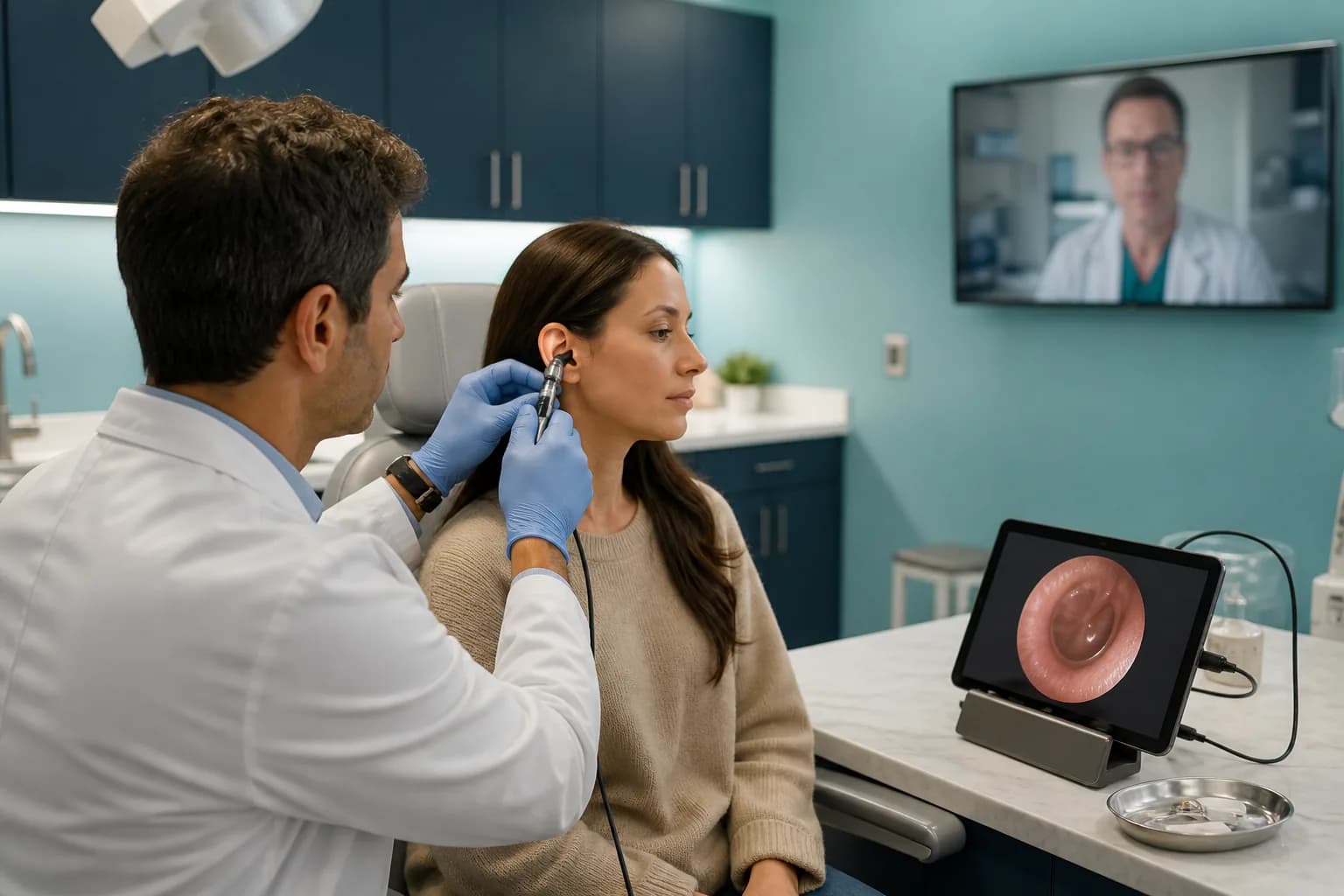
The transfer decision has three inputs: what the patient needs, what the spoke can deliver, and what the journey will cost the patient in time and risk. All three have to be stated explicitly during the call, because the default in an anxious spoke team is to transfer, and unnecessary transfers consume ambulance capacity, hub beds, and family resources while sometimes making the patient worse. A hub specialist saying clearly that this patient should stay, and why, is one of the most valuable outputs of the whole network.
Treat-and-keep protocols need to be written before they are needed. For several conditions, the correct pathway is initial treatment at the spoke followed by transfer, or initial treatment at the spoke followed by continued local care with tele-review. Cardiac care offers the clearest example: for a patient far from a catheterisation laboratory, thrombolysis at the spoke followed by transfer for angiography is an established strategy, and having agreed that in advance saves the argument at the point of decision.
When transfer is chosen, the decision must include a receiving commitment. A referral that ends with the spoke sending a patient towards a hub that has no bed is worse than no network at all, because the family has been given a journey and a false expectation. The hub coordinator should confirm the receiving location before the ambulance leaves, and if the answer is no, the network should help the spoke find an alternative rather than simply declining.
“The most useful thing the hub does for us is not accepting patients. It is telling us, with authority, that a patient does not need to go. Before the network we sent everyone, and half of them came back the same night.”
Pre-arrival handover to the receiving team
By the time the ambulance arrives, the receiving team should already know the patient. That means the hub emergency department has the activation summary, the imaging, the treatment given at the spoke including exact drug times, and the estimated arrival, and has assigned a receiving location and an on-call team. Handover on arrival then becomes a confirmation rather than a first briefing, which is the difference between a smooth reception and ten minutes lost in a corridor.
Push the information into the same channel every time. Networks that rely on the referring doctor also remembering to call the receiving registrar will lose that call regularly, because the referring doctor is managing a sick patient and a departing ambulance. Make pre-arrival notification automatic from the activation record, and have the coordinator confirm receipt. If your ambulance service can transmit en-route observations, connect that too, but do not make it a dependency.
Keep the spoke informed after handover. Spoke teams that never learn what happened to the patients they sent stop engaging with the network, and their referral quality degrades because there is no feedback loop. A short outcome message back to the referring doctor within twenty-four hours, and a copy of the eventual discharge summary, does more to sustain a network than any amount of relationship management.
What must reach the receiving team before the ambulance does
- Activation summary with onset time and current clinical status
- Imaging, in a viewable form, not as a photograph of a monitor
- Every drug given at the spoke with exact administration times
- Estimated arrival time and the assigned receiving location
- Named receiving clinician who has acknowledged the case
The documentation each step must leave
Every step in a tele-emergency pathway has to leave an artefact, and the artefacts have to sit in both hospitals' records rather than in a messaging thread. Activation with its timestamp, the specialist advice given and by whom, the imaging and its interpretation, the treatment decision and who made it, the transfer decision with its reasoning, the consent obtained and from whom, and the handover. If any of these lives only in a phone call, the pathway cannot be audited and cannot be defended.
Consent deserves particular attention here because the circumstances are difficult. Thrombolysis consent is frequently taken from a relative by telephone under time pressure, sometimes with the treating clinician at one hospital and the advising specialist at another. Record who consented, their relationship, the time, who spoke to them, and what was explained. This is precisely the kind of detail that is obvious at the time and impossible to reconstruct eighteen months later.
Many of these patients are also medico-legal cases, and the MLC documentation obligations apply exactly as they would to a walk-in presentation. Neither hospital should assume the other has done it. Agree in the network protocol which site raises the MLC entry and how the other site's record refers to it, because a case that is documented twice inconsistently is nearly as bad as one not documented at all.
Artefacts each tele-emergency activation should produce
- Timestamped activation record with the coordinator and specialist named
- Written specialist advice, in both hospitals' records, attributed to a practitioner
- Imaging with a recorded interpretation and who gave it
- Transfer or treat-and-keep decision with its clinical reasoning
- Consent record naming the person, relationship, time and what was explained
Governance, drills and the metrics that matter
Run the network as a clinical service with a governance committee, not as an arrangement between two hospitals. That means agreed protocols signed by both sides, named clinical leads at hub and each spoke, privileging for the hub specialists advising into spoke sites, a documented escalation path when the pathway fails, and a monthly meeting where cases are reviewed with both teams present. Networks without this structure decay into personal relationships between individual doctors and disappear when those doctors leave.
Drill the pathway on quiet days. A quarterly simulated activation at each spoke, run end to end including the imaging transfer and the ambulance call, will find the broken telephone number, the expired login, and the scanner technician who was never told about the protocol. These are the failures that otherwise present for the first time during a real stroke call. Drills are unpopular and they are the cheapest safety investment in the programme.
Measure a small set of times and outcomes rather than a dashboard. Activation to specialist contact, arrival to imaging, arrival to treatment decision, decision to ambulance departure, and the proportion of activations that resulted in treatment at the spoke rather than transfer. Publish them by site so spokes can see their own performance against peers. HealUDoc can hold the activation and handover artefacts against the patient encounter so those intervals are computed from the record rather than reconstructed by hand each quarter.