Deciding which patients can safely be at home
Selection is the safety mechanism. Everything else in a hospital-at-home programme is logistics, but the decision about who is eligible is the clinical control that prevents harm, and it should be written as explicit inclusion and exclusion criteria signed off by the clinical governance committee rather than left to individual judgement. The criteria need to cover the clinical condition, the physiological stability, the home environment, and the caregiver, because a suitable patient in an unsuitable house is not a suitable patient.
The clinical filters that work in Indian practice are a defined condition list, physiological stability over a stated observation period, and a requirement that the treatment plan can be delivered with the equipment and drugs the programme actually carries. Common inclusions are cellulitis and other infections on intravenous antibiotics, stable heart failure, uncomplicated post-operative recovery, and some respiratory exacerbations. What is included should follow what your team can safely manage, not what is fashionable.
The environmental filters are the ones hospitals skip and later regret. Reliable power for any equipment, a functioning mobile signal, a road the nursing team can reach at night, running water, and a responsible adult present. Assess these before enrolment with a short checklist rather than discovering them on the first visit. Declining a patient at the assessment stage is a good outcome; discovering at eleven at night that the address is down a lane an ambulance cannot enter is not.
The admission decision and the consent conversation
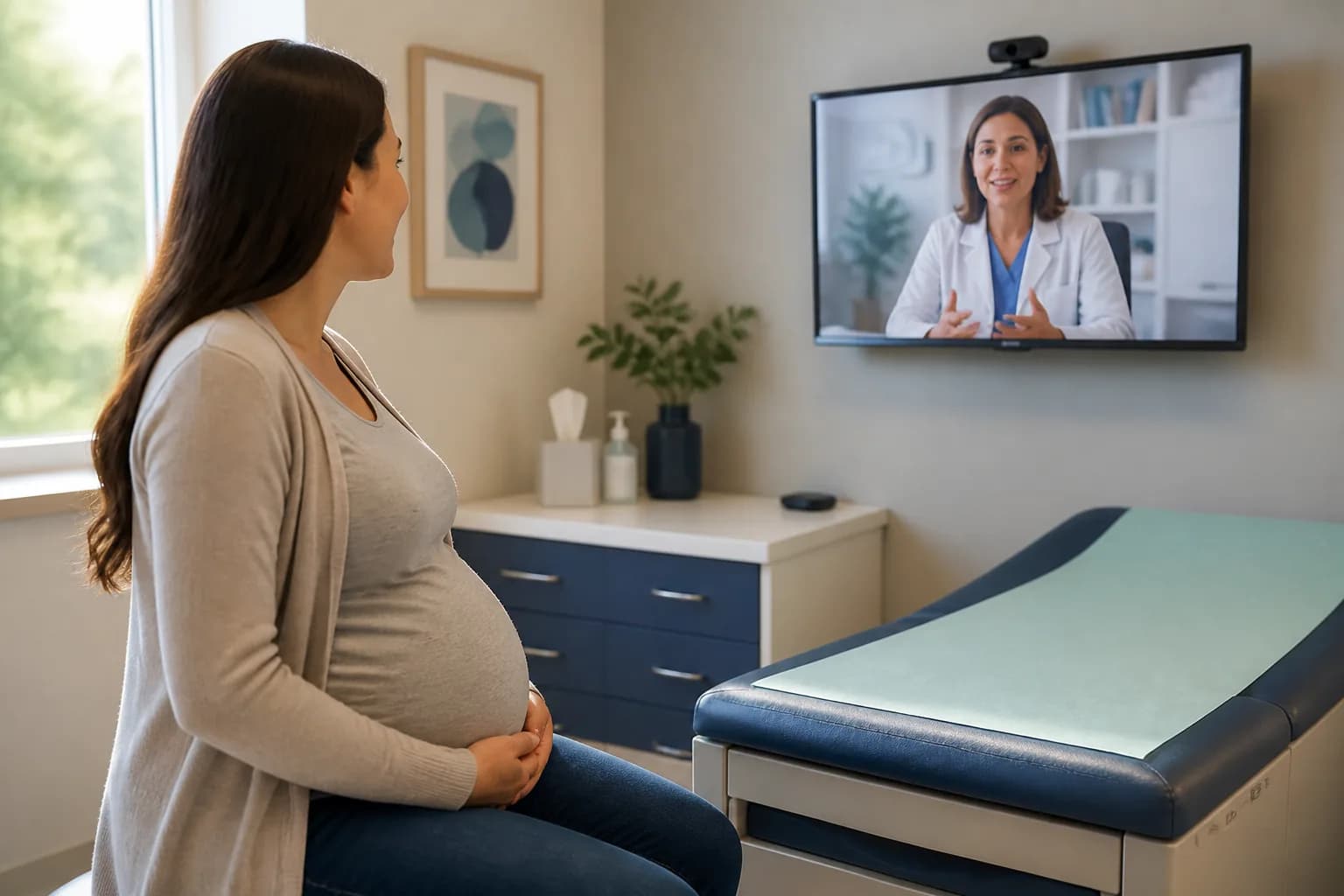
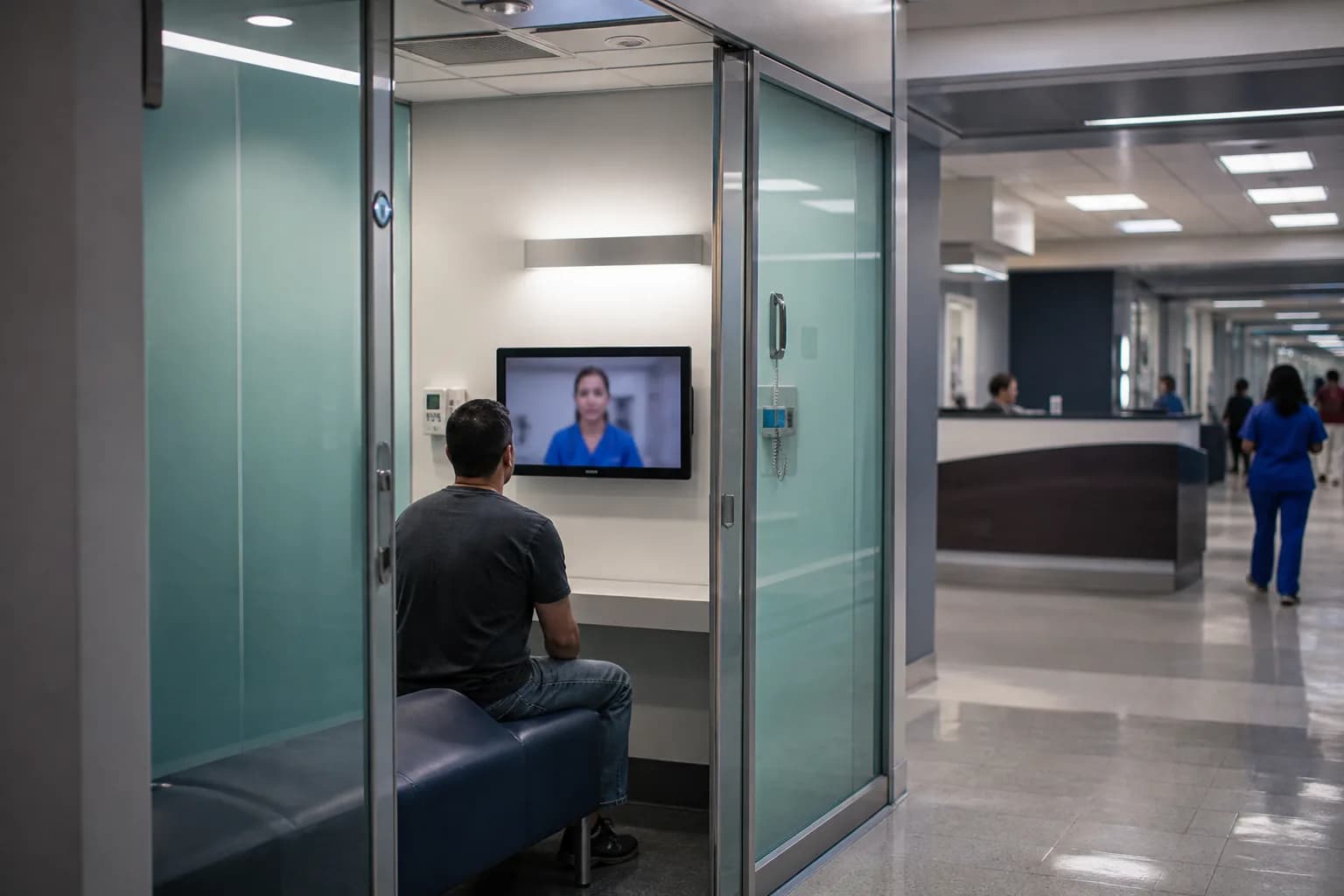
Be explicit with the family about what this is. A hospital-at-home episode is a form of care with real advantages and real limits, and the consent conversation must state plainly that response times are longer than in a ward, that a deterioration means transfer, and what the family's own responsibilities are. Families that agreed to something they understood as convenient home nursing will be justifiably angry when the reality of a clinical escalation arrives.
Say something honest about insurance too. Many Indian indemnity policies pay on hospitalisation and treat home treatment under narrow domiciliary hospitalisation clauses with their own conditions, so a patient assuming their policy will cover a home episode the way it covers a ward admission may be wrong. Get the family to check with their insurer before enrolment and record that you told them. This single conversation prevents most of the billing disputes these programmes generate.
Document the episode as an admission in structure even though it is not one in the bed census. It needs an admission decision by a named practitioner, a documented treatment plan, a defined expected duration, and a discharge decision at the end. Programmes that treat the episode as a series of home visits rather than as a bounded admission produce records that cannot be reviewed, audited, or defended as a coherent course of treatment.
What the enrolment conversation must cover
- Expected duration of the home episode and what ends it
- Realistic response time for a nurse and for an ambulance at that address
- The family's specific responsibilities, written down and left in the house
- That deterioration means transfer, and how that decision will be made
- Insurance position for home treatment, checked with the insurer before enrolment
The daily schedule: nurse visits, tele-rounds and vitals
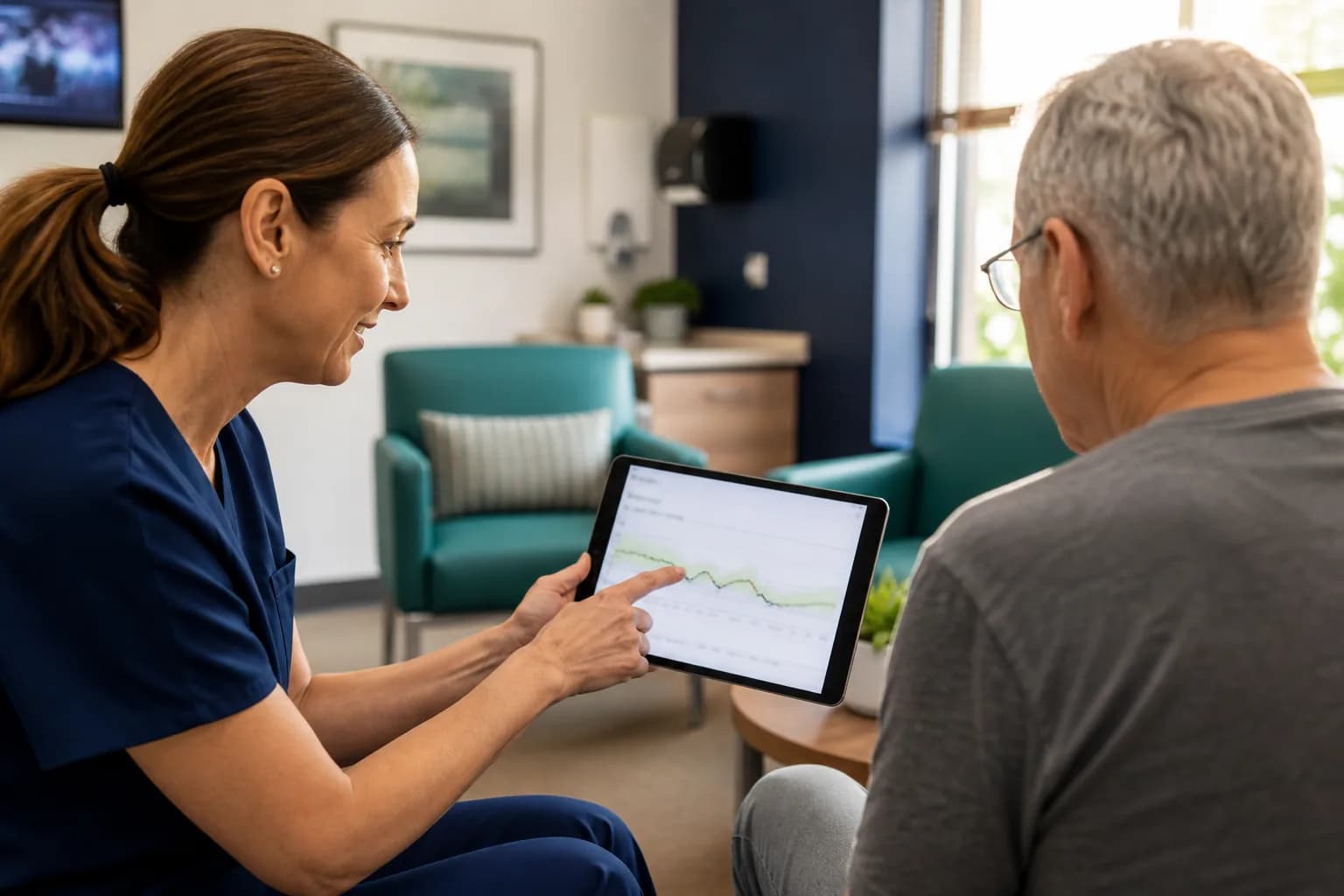
A working day has a shape. A morning nurse visit for observations, medication administration, and wound or line care. A recorded set of vitals transmitted or entered before a fixed midday tele-round with the treating consultant, so that the round has data rather than recollection. An evening check, by visit or by call depending on acuity, and a defined overnight arrangement. Publishing this shape to the family reduces anxiety more than any amount of reassurance.
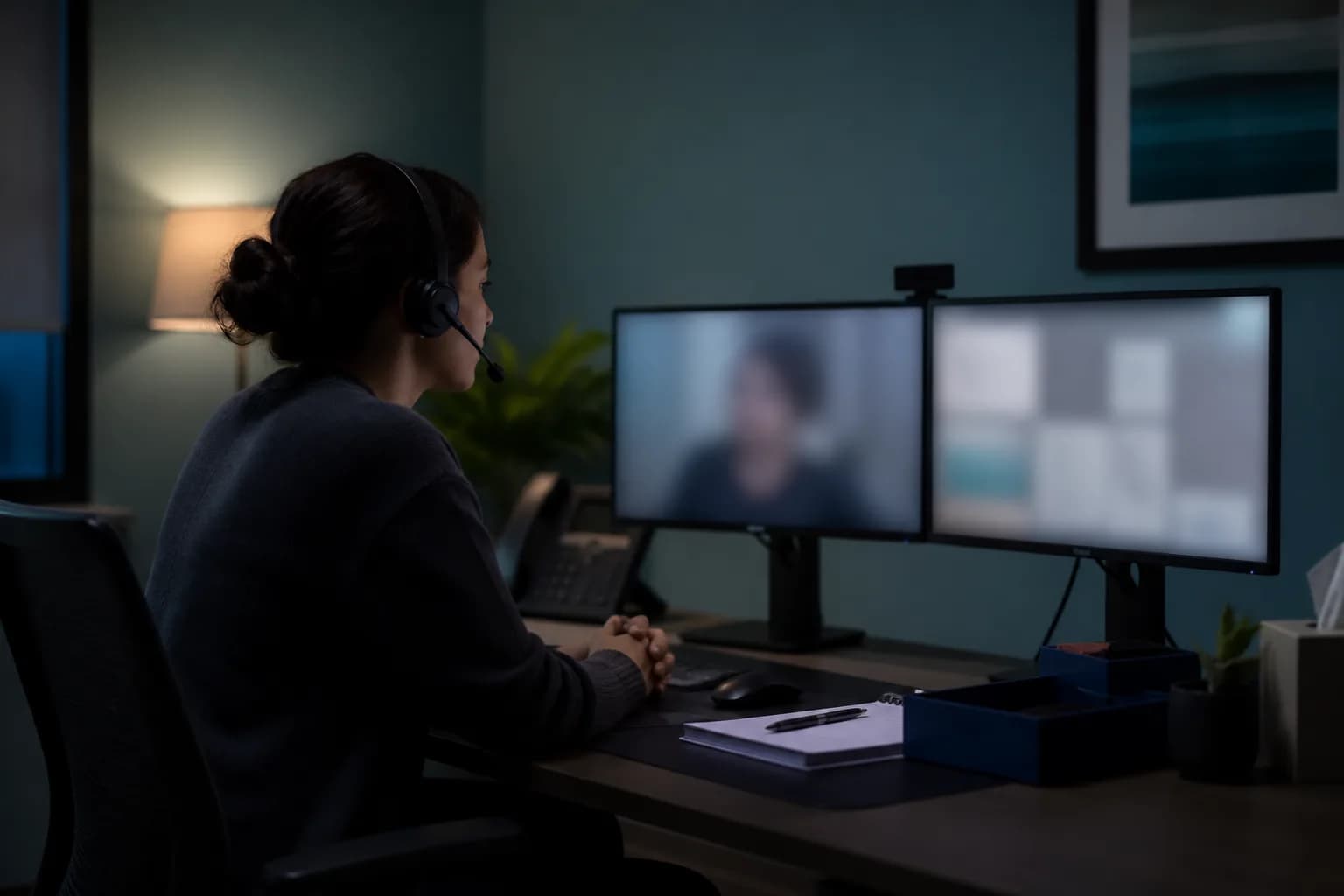
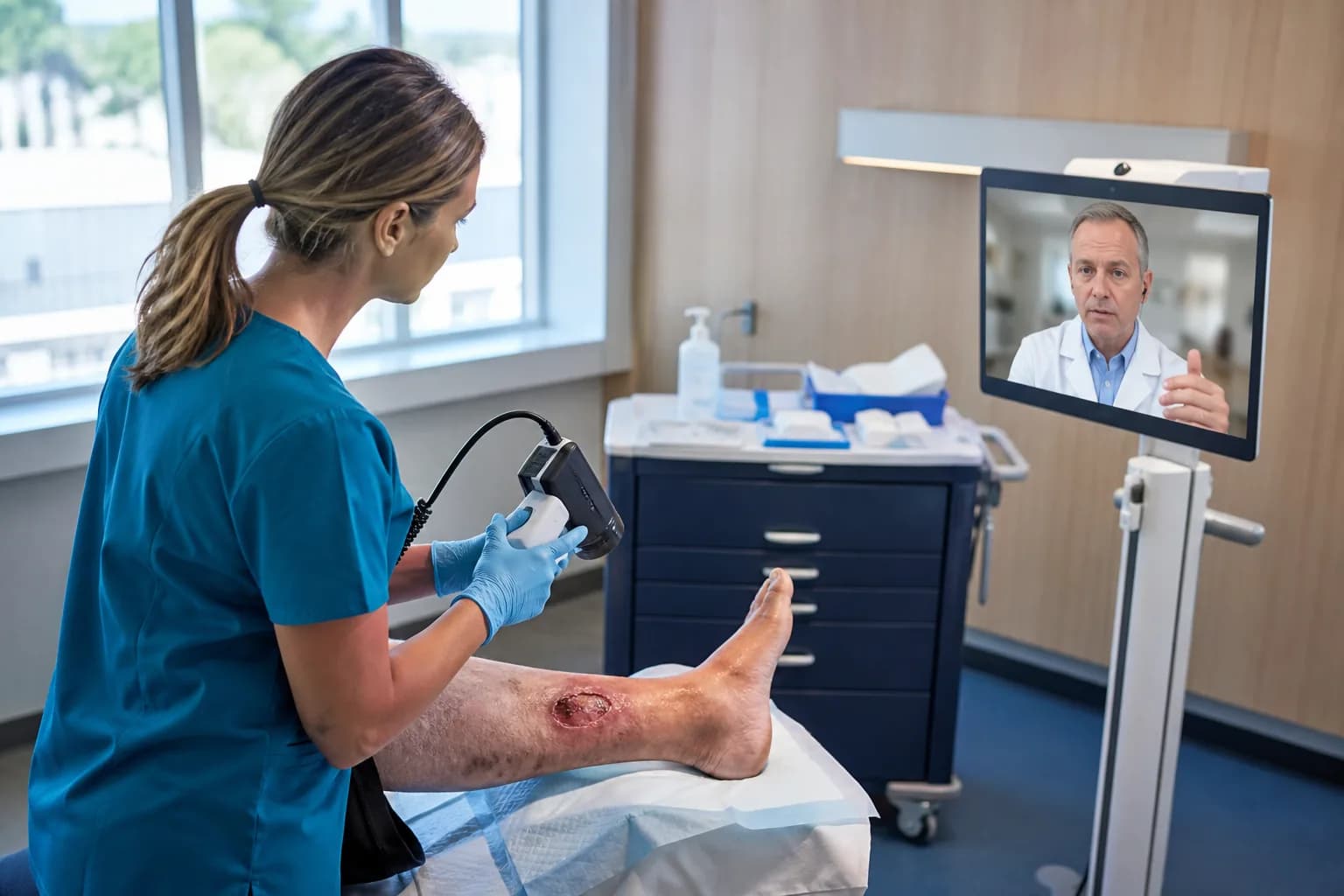
The tele-round is where the programme becomes a hospital rather than a nursing service. It should be at a fixed time, cover every active patient, and be attended by the treating consultant with the visiting nurse either present at the house or joining from the field. Rounds that slip to whenever the consultant is free will slip until they stop happening, and at that point nobody is holding the clinical picture.
Route the visits geographically and accept the trade-off that comes with it. Clustering patients by area makes the nursing day feasible but means your catchment has to be deliberately bounded, and that boundary will exclude patients who want the service. Publish the catchment, decline outside it, and revisit it as volume grows. A programme that stretches to accommodate individual requests will end up with a nurse spending five hours a day in traffic.
Equipment, drugs and the logistics that quietly fail
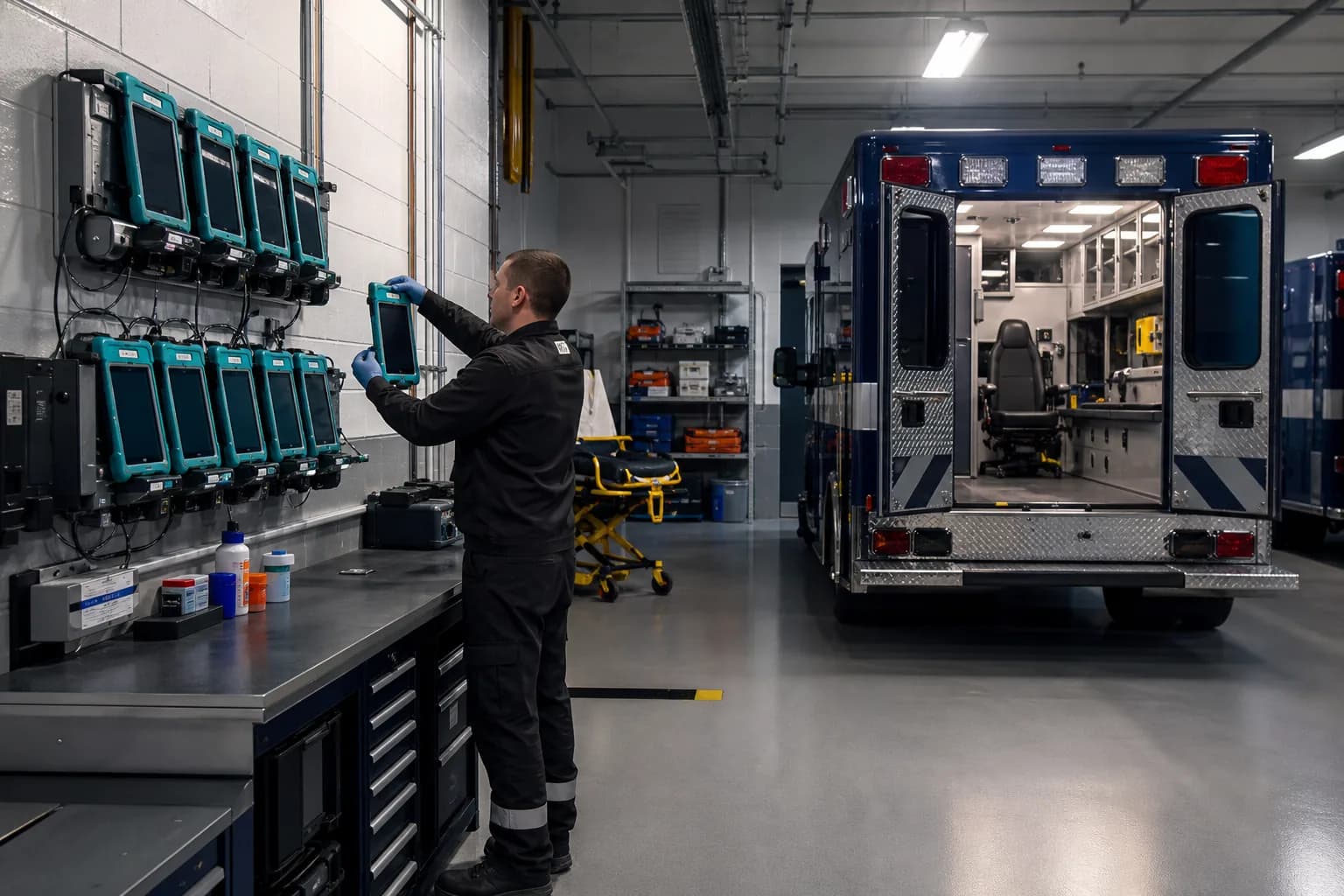
The equipment kit should be standardised and inventoried per patient rather than assembled by whoever is on duty. A typical kit carries a blood pressure monitor, pulse oximeter, thermometer, glucometer where relevant, an infusion set or pump for intravenous therapy, and consumables. Every item needs an asset tag, a calibration date, and a documented return or replacement at episode end. Untagged equipment distributed across a city disappears at a rate that will surprise you.
Drug logistics is the harder half. Medicines dispensed for home administration leave your pharmacy's controlled environment, and cold-chain items in particular need a validated transport and storage arrangement rather than an assumption that the household refrigerator is adequate. Schedule H drugs administered at home still need proper prescription, dispensing, and administration records, and the administration record has to come back into the patient file rather than living on a nurse's phone.
Build the reverse logistics before the forward logistics, because that is the direction that fails. Unused drugs, sharps and biomedical waste, and returned equipment all have to come back and be handled correctly. Sharps and contaminated dressings generated in a patient's home are still biomedical waste under the applicable rules, and a programme that leaves them in a household bin has a compliance exposure it has probably never assessed.
Logistics controls that prevent the common failures
- Asset-tagged equipment kits with calibration dates and a signed handover per patient
- Validated cold-chain transport for any temperature-sensitive medicine
- Administration records that return into the patient file the same day
- Sharps and dressing waste collected by the team and handled as biomedical waste
- End-of-episode reconciliation of unused drugs and returned equipment
Deterioration triggers and the escalation ladder
Escalation must be trigger-based and not judgement-based, because the person at the bedside is often a nurse alone in a house at night. Use the early warning score your hospital already uses so that the language is consistent between the home programme and the ward, and define the response at each band: continue, contact the on-call doctor within a stated time, or activate transfer immediately. Family-reported concern should be an independent trigger in its own right.
The ladder needs a named person at every rung, available at every hour, with a tested number. On-call doctor, then the treating consultant, then the transfer decision. Each rung should have a maximum time before escalating to the next, so that an unanswered call escalates automatically instead of waiting. The most dangerous configuration in these programmes is a single on-call number with no defined behaviour when nobody picks up.
Transfer arrangements have to be real. That means an ambulance provider with a contract and a tested response time to your actual catchment, a receiving arrangement at your own facility so the patient is not sent through the general emergency queue, and a handover pack the nurse can hand over. Programmes that treat transfer as an exception discover during their first one that none of this exists.
Documentation that makes a home episode reviewable
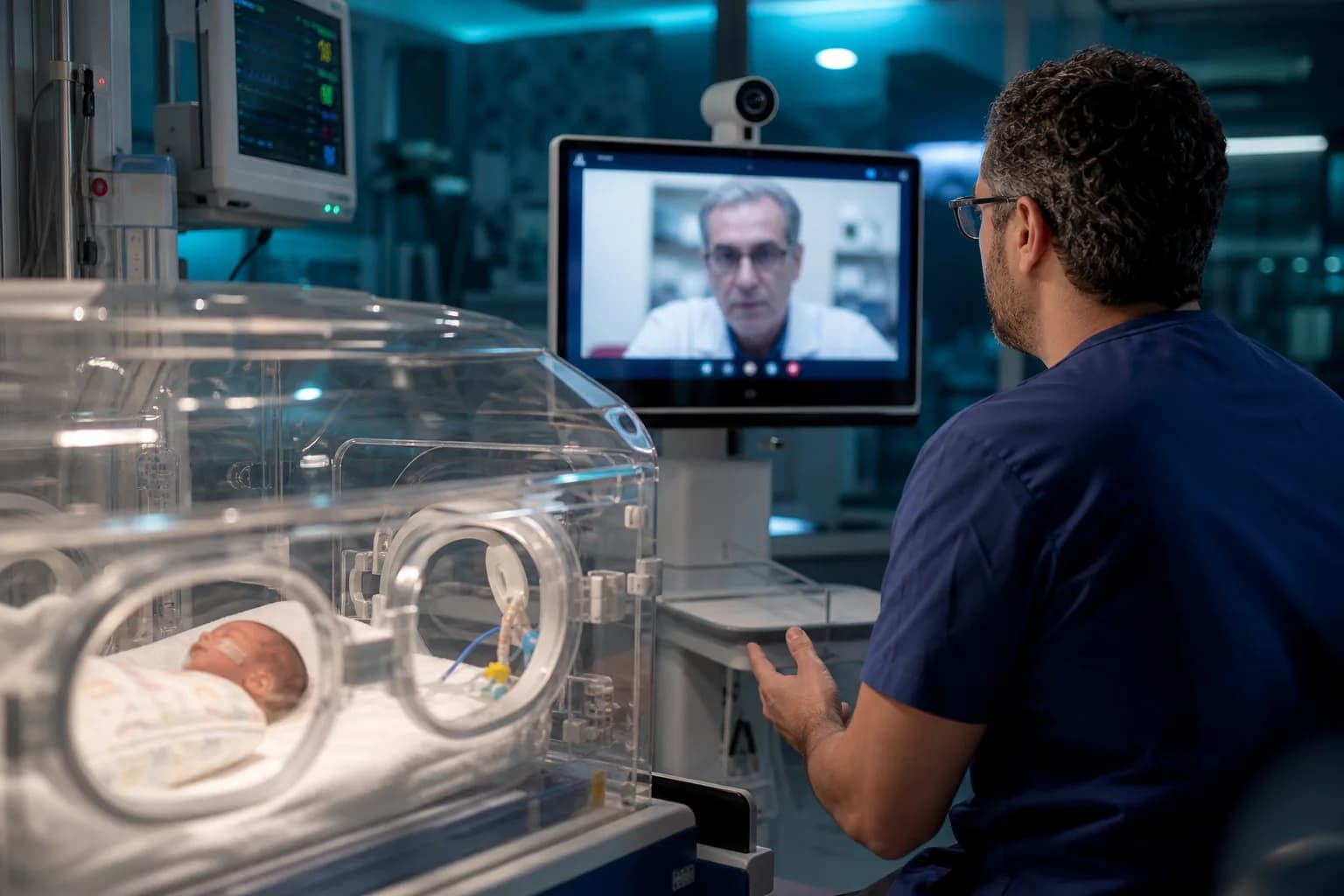
The home episode should produce the same artefacts as an inpatient stay: an admission note with the eligibility assessment, a treatment plan, daily clinical notes, medication administration records, vital sign charts, the tele-round entries, any escalation events, and a discharge summary. If a reviewer cannot reconstruct the course of treatment from the record alone, the programme is not documented to hospital standard regardless of how good the care was.
Capture at the point of care, not at the end of the day. A nurse writing up six patients from memory at nine in the evening produces notes that are approximately true and legally weak. Mobile capture with offline tolerance matters here, because Indian home visits routinely happen in places with poor connectivity and a system that requires a live connection will simply push staff back to paper.
Keep the home episode inside the patient's single record rather than in a separate home care system. The whole clinical value of the programme comes from continuity with the admission that preceded it, and a parallel system breaks that. HealUDoc can hold the home episode as a linked encounter against the same patient so the discharge summary, the home notes, and any readmission all sit on one timeline.
Artefacts every home episode should produce
- Documented eligibility assessment including the home environment check
- Named-practitioner admission decision with an expected episode duration
- Daily clinical notes, vitals and medication administration records
- A record of every tele-round with the consultant who attended
- A discharge summary that a subsequent treating doctor could act on
When to readmit, and measuring whether it worked
Readmission is not a failure of the programme; unrecognised deterioration is. Make that explicit to the clinical team, because a culture that treats transfers as a black mark will produce delayed transfers. The criteria for returning a patient to hospital should be as clearly written as the criteria for enrolling them, and a nurse or family invoking them should never need to justify the decision after the fact.
Measure four things and resist the temptation to add more. Completion rate, meaning episodes finished at home as planned. Escalation rate, split into planned reviews and unplanned transfers. Time from trigger to clinical contact. And a simple patient or family experience measure taken at the end of the episode. These four tell you whether selection, escalation, and delivery are each working, and each maps to a specific fixable process.
Review every transfer individually in the monthly clinical meeting, the way a good ICU reviews every unexpected death. Ask whether the patient should have been selected, whether the trigger fired at the right point, and whether the response met its stated time. Most programmes find that their first ten transfers are almost entirely selection problems, and tightening the criteria on the strength of those ten does more for safety than any technology in the programme.
“Our first three transfers all came from houses we had never assessed properly. We added a mandatory home visit before enrolment, lost about one in six referrals at that gate, and did not have another emergency transfer for months.”