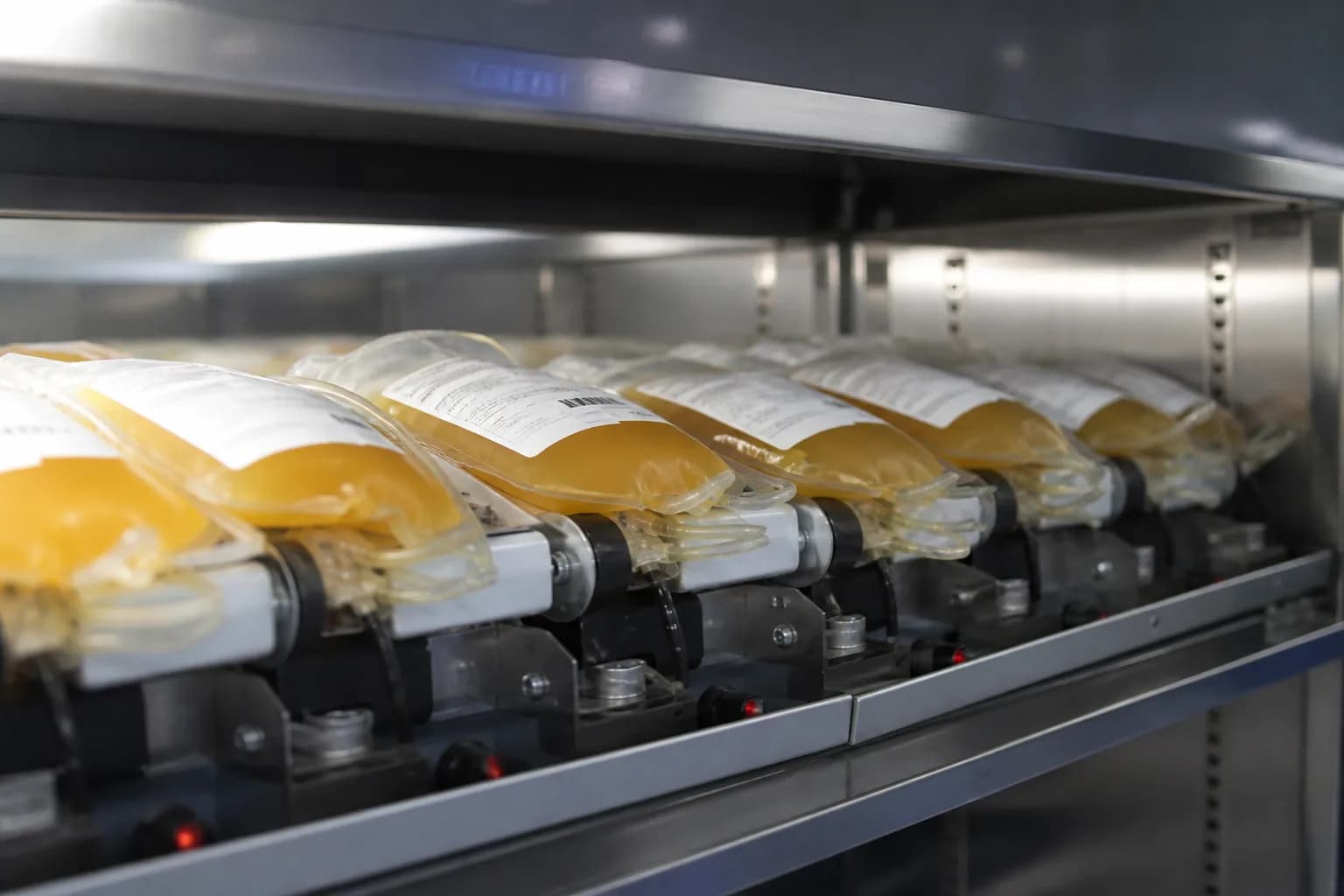
Define Turnaround Time Before Setting Targets
Turnaround time can mean order-to-result, collection-to-result, receipt-to-result, or analysis-to-verification. Each interval answers a different operational question and assigns responsibility to different teams. Publish the start, stop, exclusions, and clock behavior for every metric.
Use targets by priority and test family instead of one laboratory-wide average. A routine culture, urgent potassium, and referred molecular test have fundamentally different processes. Report medians and high percentiles so severe delays remain visible.

Metric definition checklist
- Named start and stop events
- Priority-specific target
- Test-family scope
- Clock and exclusion rules
- Median and percentile reporting
Control the Pre-Analytical Phase
Many delays occur before a specimen reaches an analyzer. Standardize order completeness, patient preparation, positive identification, collection supplies, labeling, and transport schedules. Timestamp collection and receipt accurately rather than reconstructing them at the end of a shift.
Track rejection and recollection as both quality and delay events. Give collectors immediate, specific feedback on the reason and required action. Repeated defects by location or shift indicate a training, supply, or workflow problem that needs ownership.

Make Analytical Bottlenecks Actionable
Instrument uptime alone does not describe analytical capacity. Monitor pending samples by bench, reagent availability, calibration, quality-control holds, batching rules, and staff competency. Supervisors need early warning when projected demand exceeds safe throughput.
Create validated contingency routes for analyzer downtime and excessive backlog. Decisions to move work should consider specimen stability, transport, method comparability, and reporting implications. Document activation and recovery so incidents can improve future plans.
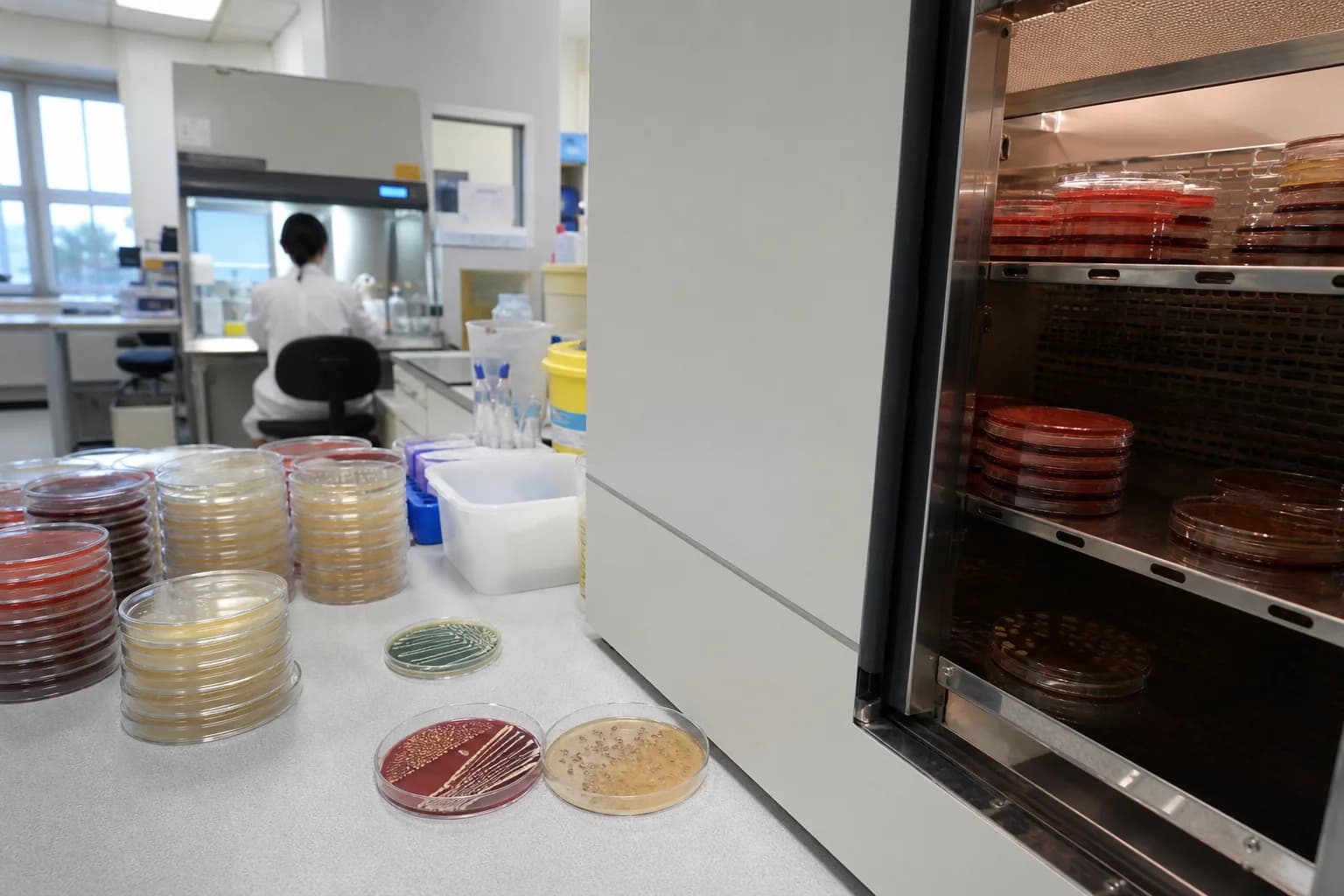
“Our turnaround gains came from seeing delay as a chain of small waits, not a single slow analyzer.”
Strengthen Verification and Release
Completed analysis can still wait for technical or clinical verification. Configure autoverification only for validated rules with defined ranges, quality-control status, delta checks, and interference conditions. Exceptions should enter prioritized review queues with enough context for safe decisions.
Staffing plans must reflect when verification demand actually peaks. Critical values, unexpected findings, and corrected reports need separate escalation paths rather than remaining in a general worklist. Electronic release should update authorized care teams and the patient portal according to policy.
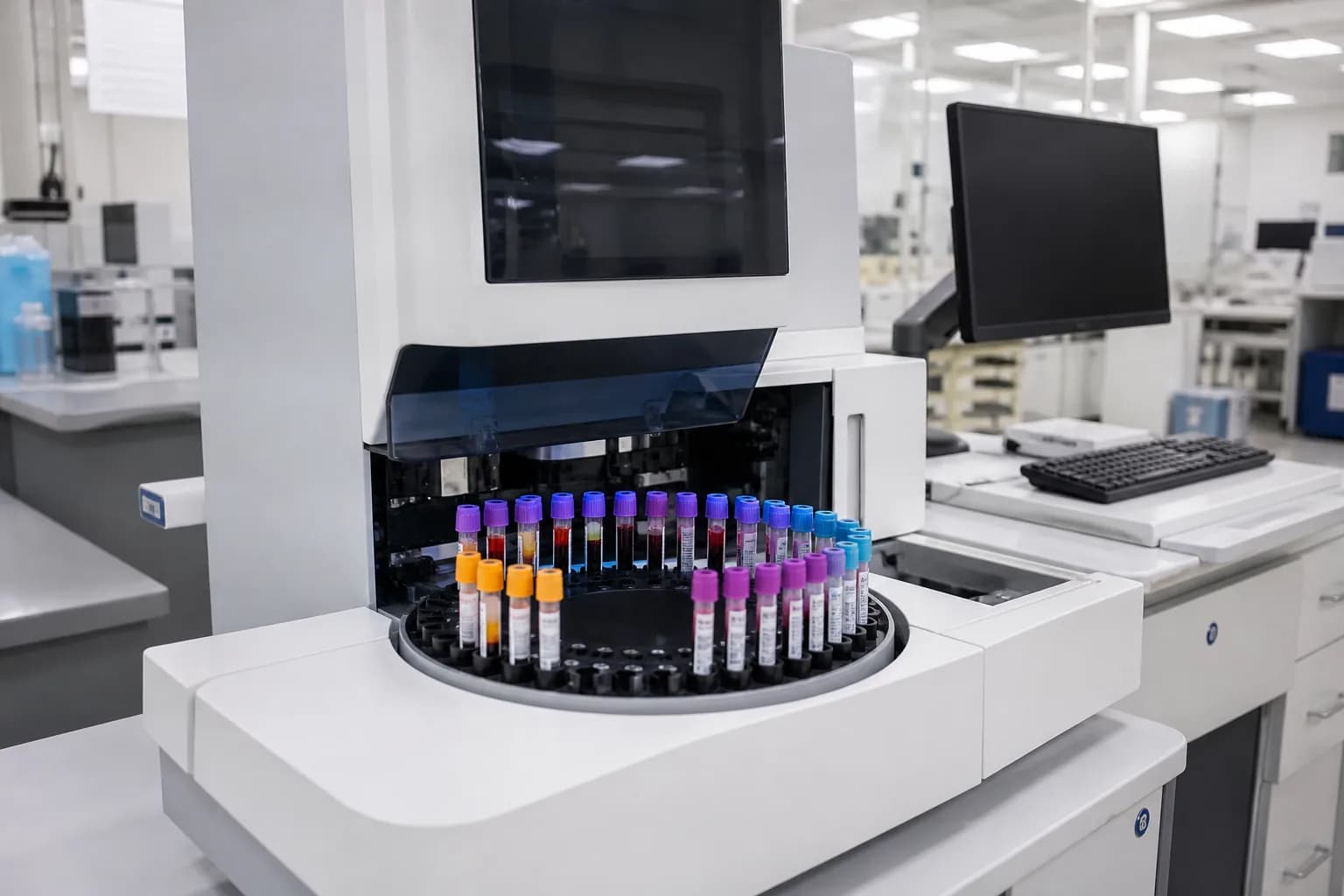
Verification safeguards
- Validated autoverification limits
- Quality-control dependency
- Delta and interference checks
- Priority exception queue
- Critical-value escalation
Use Daily Management, Not Monthly Surprise
A short daily huddle should review current backlog, target breaches, downtime, staffing, and referred work. Assign an owner and expected resolution for each significant issue. Monthly reports arrive too late to rescue today's urgent specimens.
HealUDoc can combine timestamps from orders, collection, processing, and verification across branches. Drill-down should respect role-based access while enabling quality teams to trace a delayed case. Compare turnaround with rejection, amendment, and critical-notification performance to prevent unsafe shortcuts.

Sustain Improvement With Controlled Experiments
Select a specific bottleneck, establish a baseline, and test one operational change over a defined period. Examples include courier frequency, collection staffing, batch size, or verification coverage. Evaluate effects by priority and shift because an improvement in one segment may move delay elsewhere.
Document the new standard when results are sustained and train every affected role. Continue monitoring for seasonal volume, reagent constraints, and branch variation. Reliable turnaround is a managed clinical service level, not a one-time efficiency campaign.