Map the Queue From Order to Result
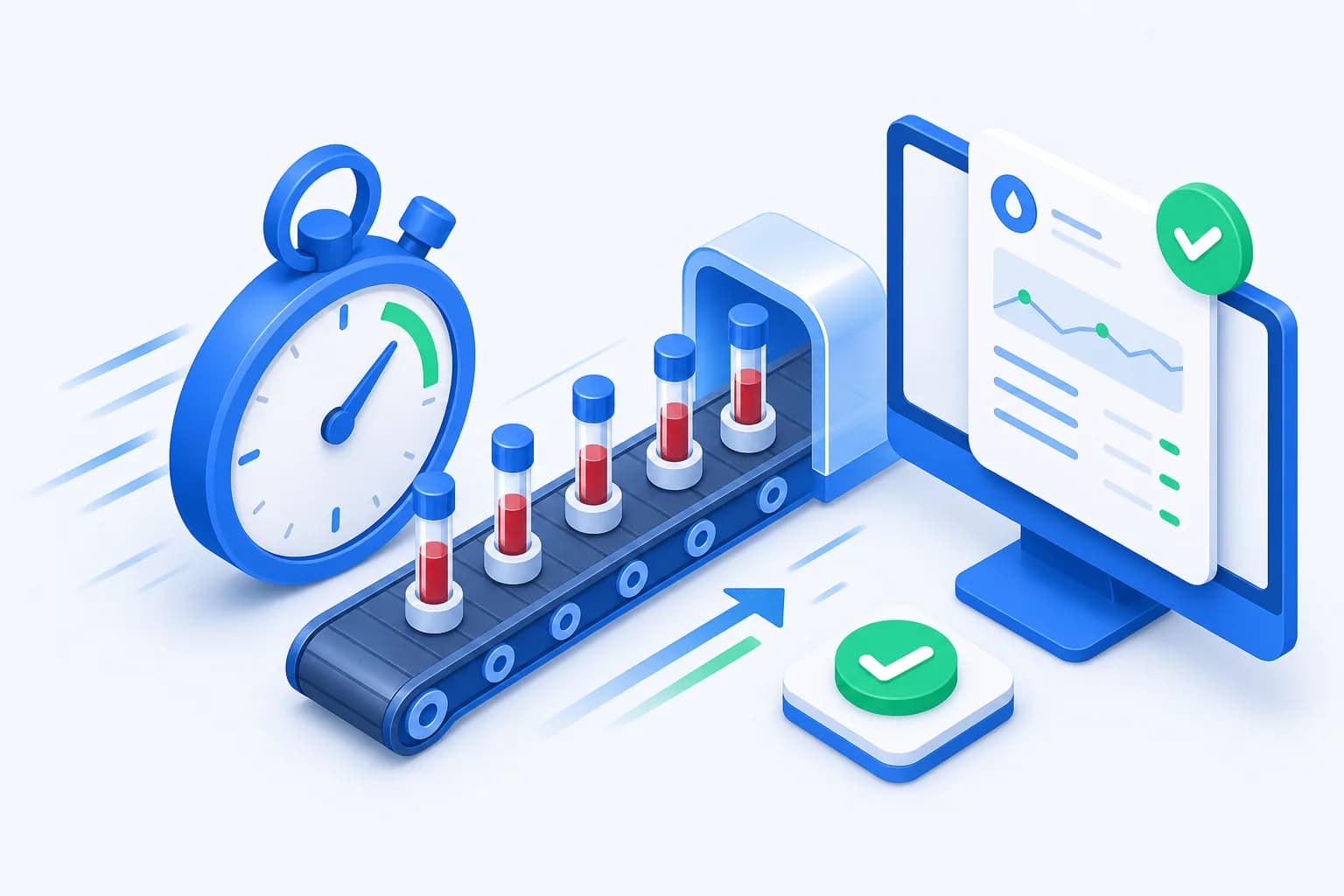
A laboratory queue begins when a valid order is placed, not when a patient reaches phlebotomy. Map order validation, payment or authorization, preparation, identity checks, collection, accessioning, analysis, verification, and release. Delays become actionable only when each transition has an owner and timestamp.
Separate patient-facing wait from specimen-processing wait because they require different remedies. A crowded collection area may result from registration friction, while a quiet waiting room can conceal an analyzer backlog. The end-to-end map should include OPD, IPD, emergency, and referred-out tests.
Queue states to define
- Order awaiting validation
- Patient ready for collection
- Specimen collected
- Accessioned and routed
- Result awaiting verification
Validate Orders Before Patients Wait
Incomplete orders create rework at the most visible point in the process. Require the correct patient, encounter, requesting clinician, test, priority, and clinical details before an order enters the active queue. Decision support can warn about duplicates or preparation requirements without blocking justified clinical choices.
Billing eligibility should be visible without forcing laboratory staff to interpret complex payer rules. When authorization is missing, route the case to a defined resolution queue and preserve clinically urgent escalation. HealUDoc can connect ordering and billing while role-based access keeps financial and clinical responsibilities distinct.
Prioritize Clinically, Then Transparently
Urgency should derive from approved clinical categories such as emergency, timed, inpatient urgent, and routine. Each category needs a target and an escalation path understood by collection and bench staff. Free-text claims of urgency are difficult to audit and quickly erode trust in the queue.
Within a priority category, use arrival or readiness time consistently. Display privacy-safe tokens to patients and provide realistic estimates when delays occur. Staff should document any reprioritization so quality teams can distinguish clinical necessity from informal queue jumping.
“The breakthrough was not making every sample urgent; it was making genuine urgency visible from collection to verification.”
Make Collection Status and Exceptions Visible
Collectors need a worklist showing preparation status, tube requirements, special handling, and collection sequence. Positive patient identification and bedside labeling must remain mandatory even during peaks. A fast queue that produces mislabeled specimens is an unsafe system, not an efficient one.
Record unsuccessful collection, insufficient volume, hemolysis, clotting, and recollection with standardized reasons. The system should notify the appropriate care team and return the case to a visible state. Silent removal from a worklist is a common source of delayed or forgotten tests.

Collection safety controls
- Two-identifier verification
- Bedside label printing
- Tube and volume guidance
- Timed-test alerts
- Recollection workflow
Balance Work Across Benches and Branches
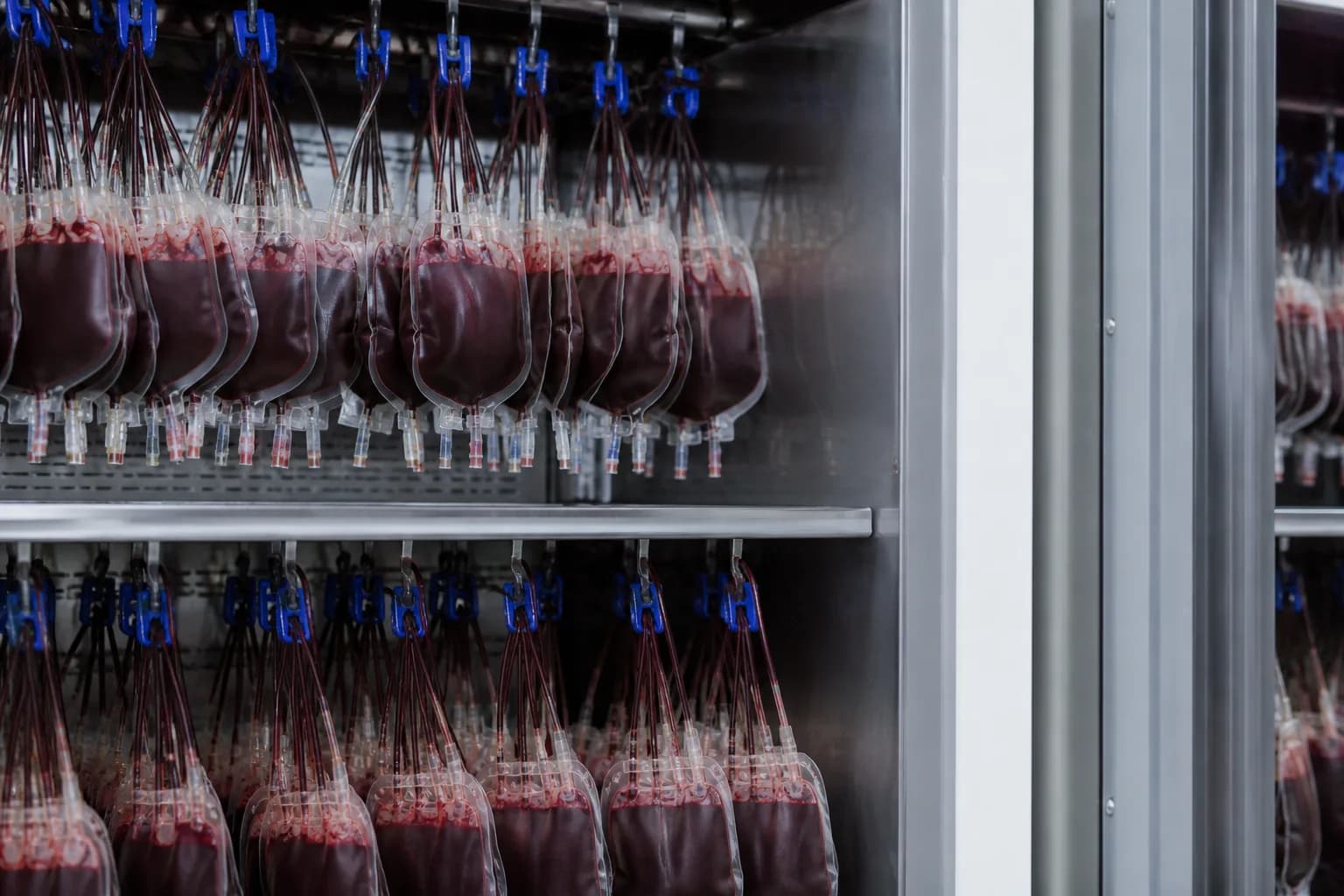
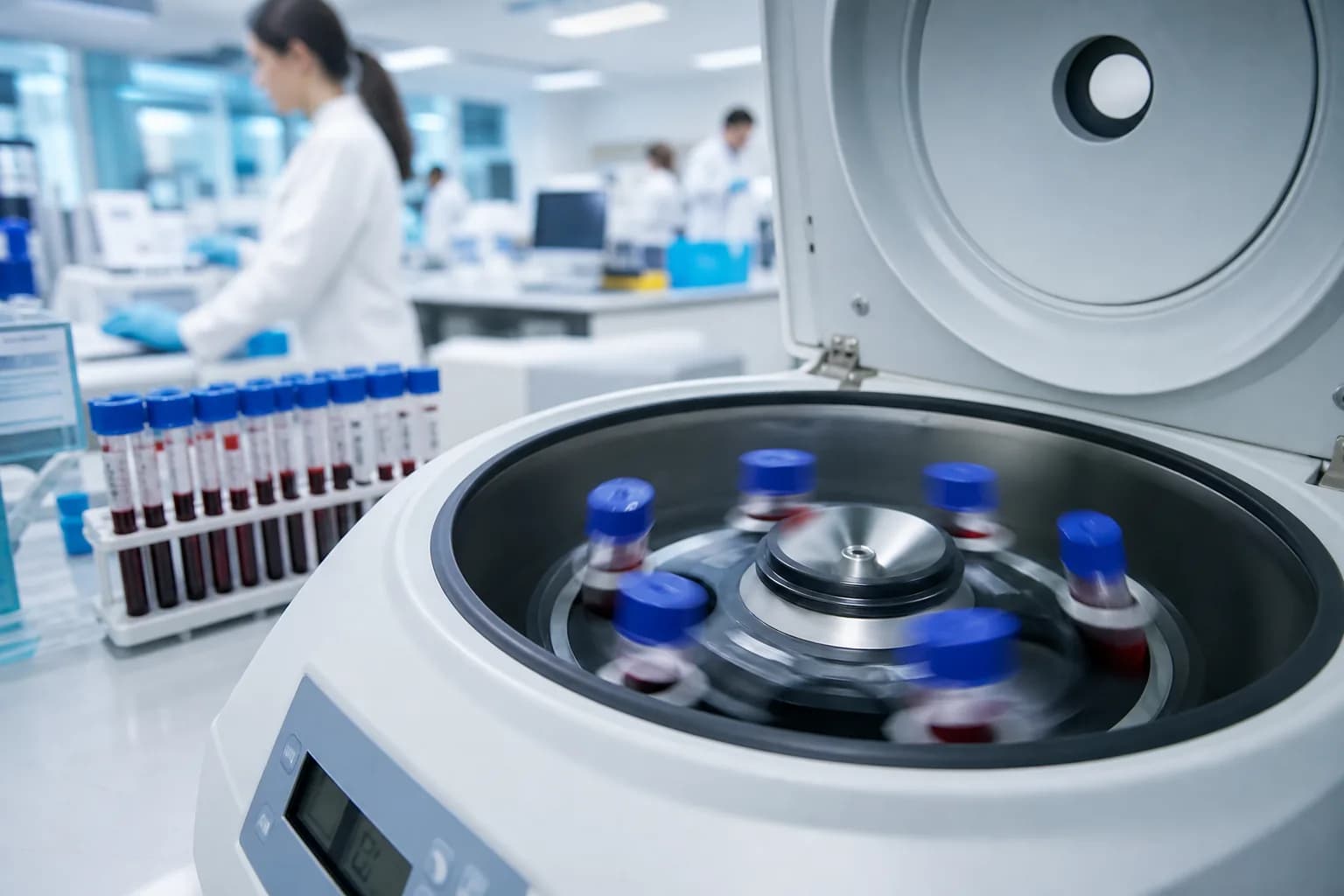
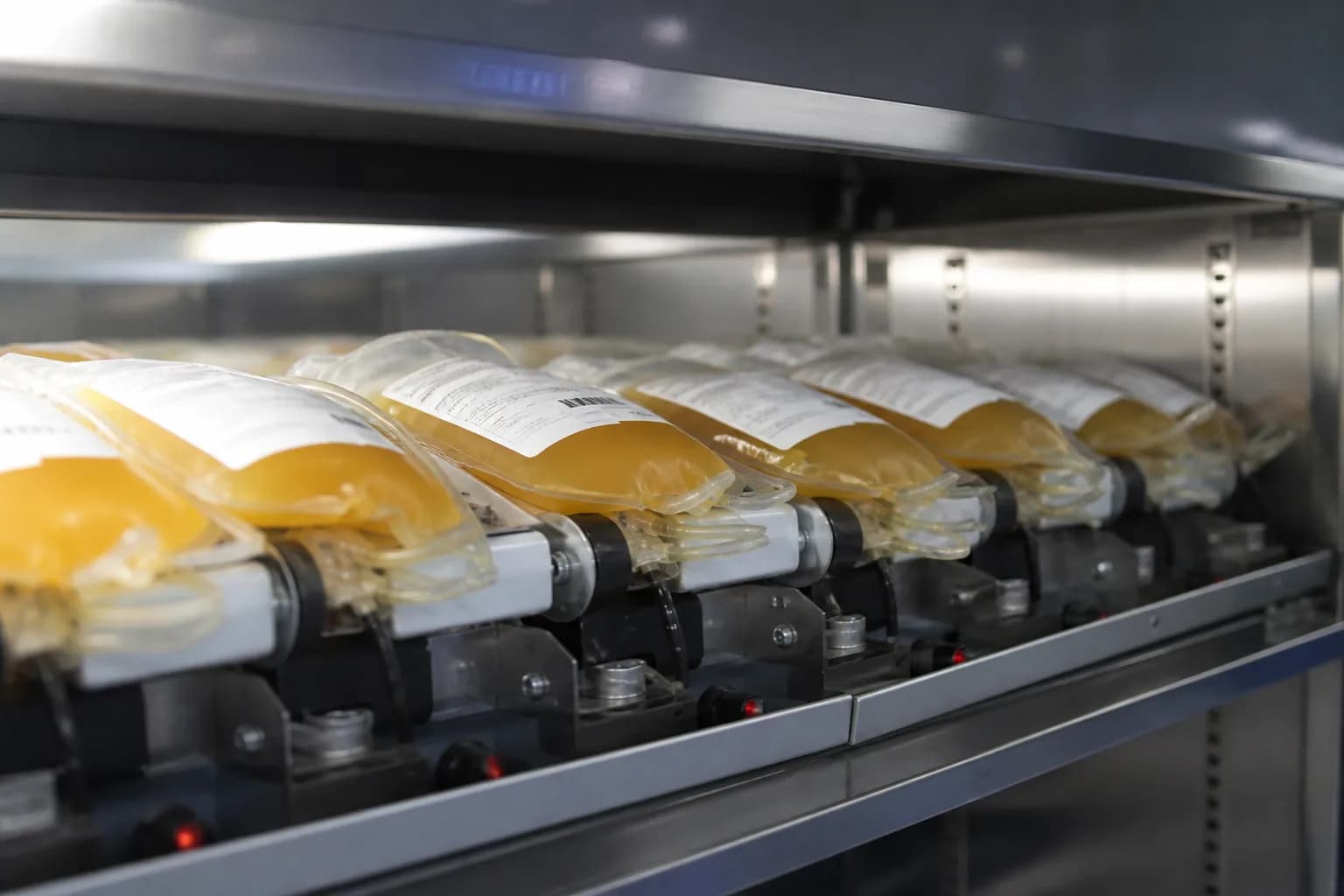
Accessioning should route specimens according to analyzer capability, staffing, stability limits, and service targets. A live workload view helps supervisors move eligible work before one bench becomes a bottleneck. Rules must account for centrifugation, transport, batching, and tests that cannot be rerouted.
Multi-branch hospitals need courier cutoffs and chain-of-custody events built into the queue. HealUDoc can expose the receiving branch, transport state, and expected arrival without giving every user unrestricted access. Patients and clinicians should see a meaningful status, not internal technical noise.

Improve With Stage-Level Metrics
Measure median and percentile wait times at registration, collection, accessioning, analysis, and verification. Percentiles reveal the patients experiencing severe delay that an average can hide. Segment results by priority, test family, source department, shift, and branch.
Review queue breaches in a short daily operational huddle and recurring quality meeting. Pair speed measures with recollection, amended reports, and identification incidents so optimization does not weaken safety. The goal is predictable flow with reliable results, not simply a shorter visible line.