Sample collection and labelling errors happen before the lab sees anything
The majority of laboratory errors are pre-analytical — they occur between the clinical decision to test and the specimen reaching the bench. A laboratory can hold immaculate internal quality control and still report a result that belongs to another patient, because sample collection and labelling errors are invisible to every analytical safeguard downstream. The analyser measures whatever is in the tube, faithfully.
This is uncomfortable for laboratories because the failure points sit largely outside their physical control: a ward corridor, an OPD collection room, a home visit. Ownership has to be defined by process rather than by geography. The laboratory sets the requirements and the rejection criteria; nursing, phlebotomy, and ward teams execute them.
The three highest-consequence failures are misidentification, mislabelling, and compromised sample quality. Each has a distinct mechanism and a distinct control, and blending them into a general instruction to be careful is why they persist.
Patient identification at the point of draw
Identification must happen at the bedside, immediately before the draw, using at least two identifiers that are not the bed number or room number. Asking the patient to state their name and date of birth is stronger than reading it to them for confirmation, because a drowsy or hard-of-hearing patient will agree with almost anything. For unconscious, paediatric, or language-barrier patients, the armband and an accompanying attendant become the reference.
Barcode-based identity confirmation removes the most dangerous variant of this error, where the right sample is drawn from the wrong patient. Scanning the armband and the requisition before the tube is filled makes the match a system event rather than a human recollection. It also creates a timestamp that the laboratory can audit later.
Common name patterns in Indian hospital populations make this more than a theoretical concern. Multiple patients sharing a first name in one ward, or attendants answering for patients, are routine conditions rather than edge cases, and identification protocol should be designed for them rather than around them.
Order of draw and additive carryover
When multiple tubes are drawn from one venepuncture, additive from one tube can carry into the next on the needle, altering results in ways that look clinically real. The classic example is EDTA carryover raising potassium and depressing calcium — a result that will be believed and acted on because nothing about it looks like an error.
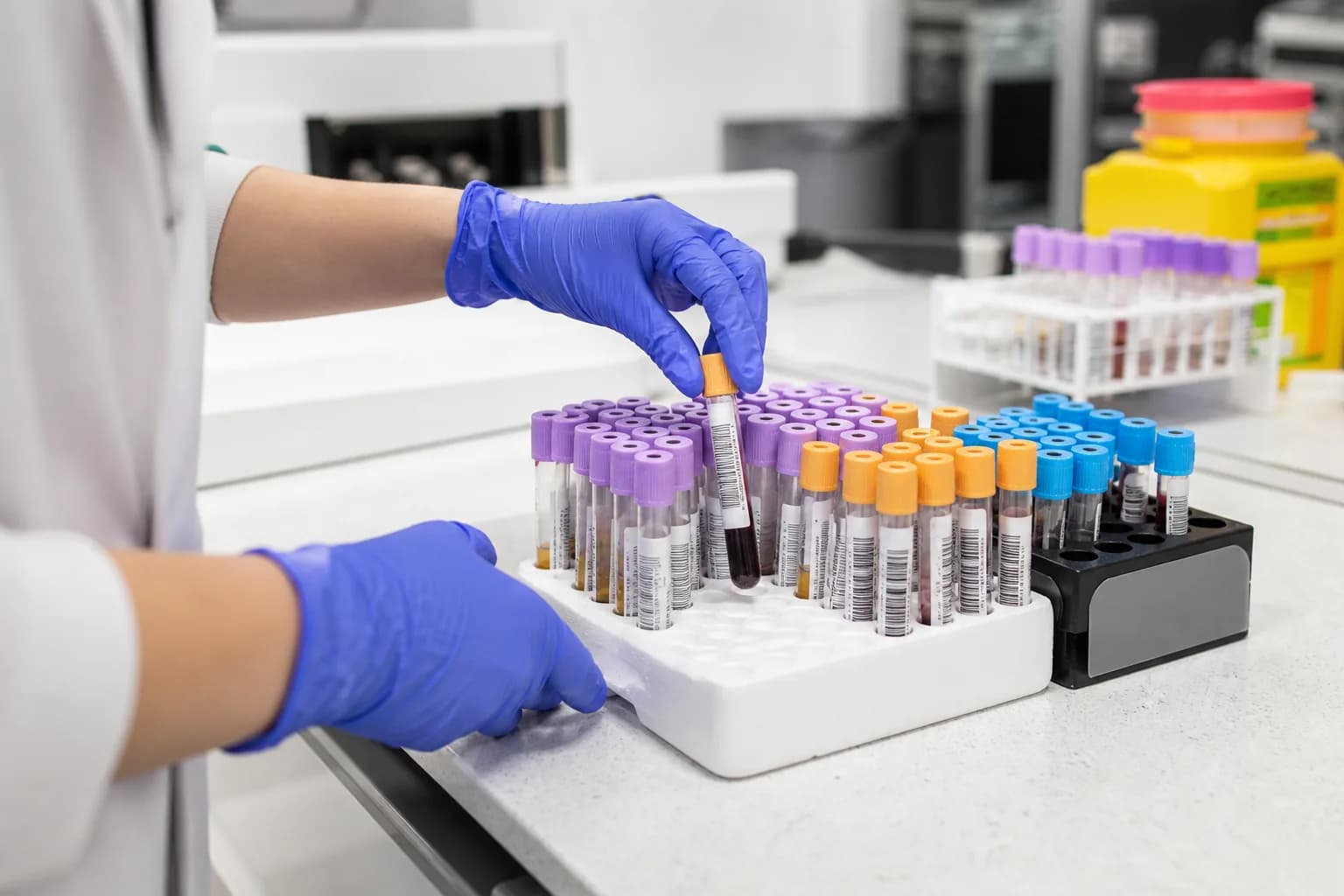
The standard sequence starts with blood culture bottles, then coagulation tubes, then serum tubes, then heparin, then EDTA, then glycolytic inhibitor tubes. Laboratories should publish the sequence as a visual aid at every collection point rather than assuming it is retained from training. Staff who rotate between departments are the group most likely to have learned a different order elsewhere.
Line draws deserve a separate instruction. Sampling from an intravenous line without adequate discard produces dilution and contamination effects that mimic pathology, and this is a frequent source of implausible results in critical care. Where line draws are unavoidable, the discard volume and the fact that it was a line draw should both be recorded.
Pre-analytical controls worth publishing at every collection point
- Two-identifier confirmation performed at the bedside, not at the counter
- Standard order of draw displayed as a visual sequence
- Minimum fill markings and inversion counts per tube type
- Discard volume requirements for line draws
- Named rejection criteria with the reason codes the lab will use
Fill volume, mixing, and the haemolysis problem
Additive tubes are calibrated to a fill volume, and an underfilled citrate tube changes the anticoagulant-to-blood ratio enough to distort coagulation results. Overfilling and underfilling are both errors, but underfilling is far more common because it is what happens when a vein is difficult and the collector settles for what they got. The correct action is a fresh draw, not a partial tube sent hopefully.
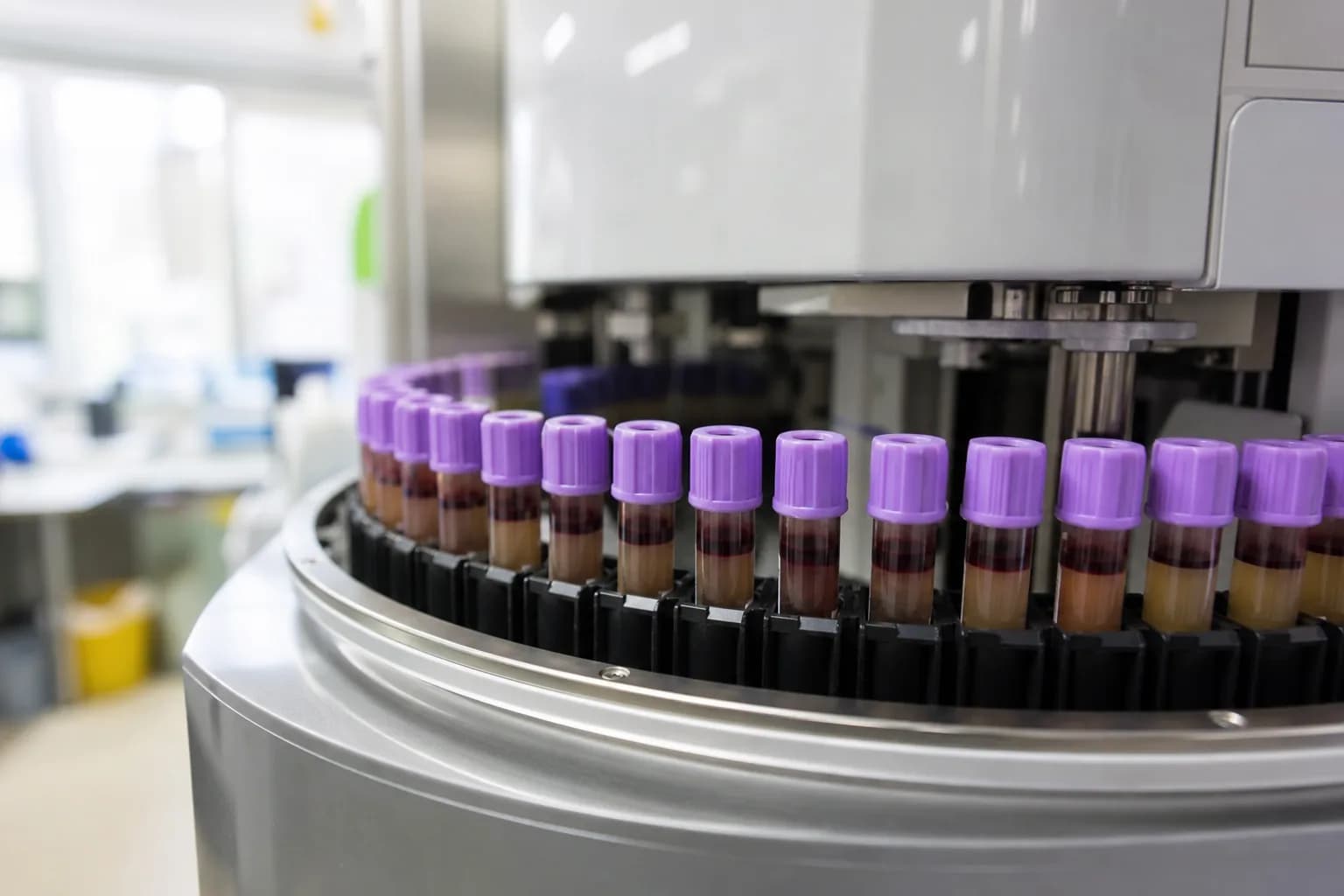
Inadequate mixing produces micro-clots that may not be visible but will invalidate cell counts and coagulation testing. Gentle inversion the specified number of times is the entire control, and vigorous shaking causes the opposite problem by haemolysing the sample. Both behaviours come from staff who were never told the specific number of inversions.
Haemolysis is the single most frequent quality rejection in most hospital laboratories, and its causes are almost entirely mechanical: needle gauge too small, excessive vacuum, prolonged tourniquet, drawing through an existing line, or transferring blood through a needle into the tube. Because haemolysis affects analytes differently, a laboratory should define which tests it will suppress at which haemolysis index rather than rejecting or accepting the whole sample uniformly.
Labelling at the bedside, never at the counter
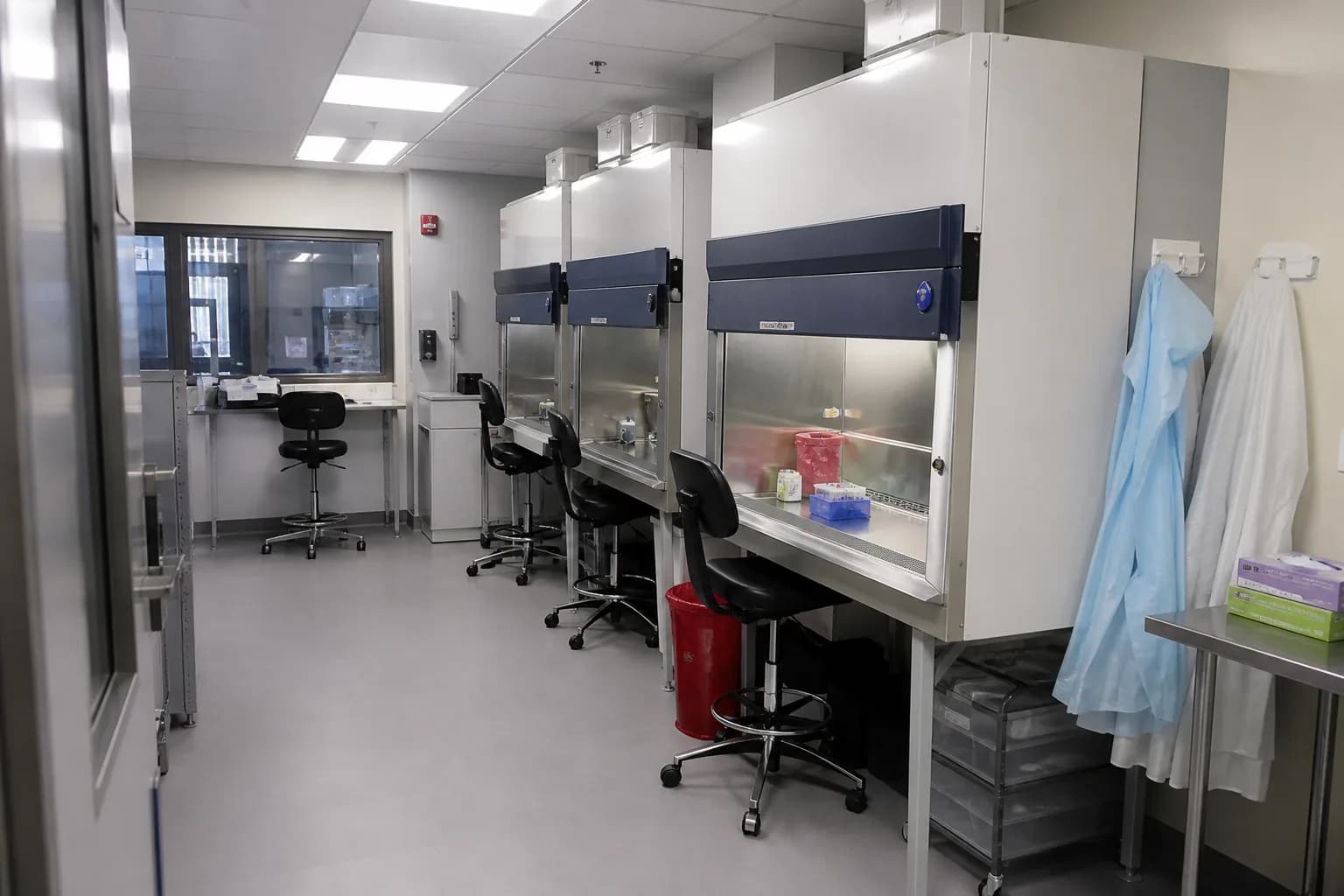
Pre-labelling tubes before the draw and labelling after leaving the bedside are the two behaviours that produce wrong-patient results, and both exist because they are faster. Pre-labelling means an unused pre-labelled tube can be filled from the next patient. Labelling later means relying on memory or tube position on a tray, which fails on any interruption.
The rule is that the label goes on the tube in the presence of the patient, immediately after filling, and the identity on the label is verified against the patient at that moment. Mobile label printing at the point of collection makes this practical rather than aspirational, because it removes the incentive to batch. A platform such as HealUDoc can drive label generation from the order at the collection event, so the label that exists is the one just produced for the patient in front of the collector.
Where handwritten labels are still used, the minimum content and the requirement for legible unique identification should be explicit. A tube labelled with only a surname in a ward with three patients sharing it is not an identified sample regardless of how confident the collector is.
Rejection criteria that are written down before the argument
Every laboratory rejects samples, and every laboratory has staff who negotiate over borderline ones. Written rejection criteria convert that negotiation into a policy decision made in advance. The criteria should name each rejection reason, the tests affected, and whether a result may be released with a comment instead of being suppressed.
Unlabelled and mislabelled samples deserve a stricter rule than quality defects, because relabelling a sample that arrived wrong simply moves the error rather than correcting it. The accepted approach is that only the person who collected the sample may correct identification, in person, and only where the sample is irreplaceable does an exception route exist — with documented clinical authorisation.
Rejection also needs to be communicated fast enough to matter. A rejection notified four hours later means the patient has already left OPD or the clinical window has passed. Automated rejection notification to the ordering location at the moment of rejection is the difference between a recollection and a lost day.
Turning rejection data into something that changes behaviour
Rejection data is usually collected and rarely used, because it is reported as a single laboratory-wide percentage. That number is unactionable. The same data segmented by collection location, shift, collector, and reason code points directly at the specific behaviour to fix — a night shift haemolysis cluster in one ward is a fixable technique or equipment problem, not a general awareness problem.
Feeding the segmented view back to the collecting units rather than keeping it inside laboratory quality meetings is what produces change. Ward teams respond to their own numbers next to their peers' numbers far more readily than to a laboratory memo. HealUDoc dashboards can carry rejection reason codes back to the originating department so the feedback loop closes where the error occurred.
The metric to watch over time is not rejection rate alone but the mix of reasons. A falling haemolysis rate alongside a rising unlabelled rate means the training worked and the labelling workflow did not. Tracking reason mix keeps the improvement effort honest.
“We stopped reporting one rejection percentage to the quality committee and started sending each ward its own three worst reasons. The conversation changed within a month.”