Start from measured consumption, not from a plant brochure
Oxygen planning goes wrong at the first step, when a hospital decides it needs a plant of a particular capacity before it knows what it consumes. The order should be the reverse. Establish peak and average consumption, decide how long you want to survive without replenishment, and only then choose the technology that delivers it. A plant sized from a brochure will either sit underloaded, which wastes power and shortens compressor life, or run permanently at its ceiling, which is considerably worse.
If you already have a piped system, you have data whether or not anyone has been reading it. Vessel contents logged daily, cylinder issue records from the store, and manifold changeover frequency together produce a consumption curve. Take at least twelve months so that the respiratory season is captured, and separate the baseline from the peak days. Most hospitals discover that their peak runs at two to three times the median, and that the peak clusters into a fairly predictable eight to ten week window.
If you are planning a new facility you have to model instead, and you should be explicit that you are modelling. Build the estimate bed type by bed type, apply a diversity factor because not every oxygen point is in use simultaneously, then state the assumptions on the same page as the answer. An oxygen plan whose assumptions are not written down cannot be revisited sensibly when the bed mix changes, and the bed mix always changes.
Estimating demand by bed type and by surge
Demand is driven by therapy, not by bed count. A ward bed on nasal prongs, a bed on a face mask, a patient on high-flow nasal cannula and a ventilated ICU patient consume vastly different volumes, and high-flow therapy in particular can draw more than a ventilator. Planning assumptions in the range of five to ten litres per minute for an oxygen-supported ward bed, with substantially higher figures for high-flow and ICU beds, are commonly used, but verify them against your own metered data rather than adopting them blind.
Then apply diversity honestly. Not every oxygen outlet is in use at once, and sizing for one hundred per cent simultaneous use at maximum flow produces a plant no hospital can justify. Sizing for the average, on the other hand, is what left many hospitals exposed in 2021. The defensible position sits between the two and should be argued explicitly: a stated normal design case, a stated surge case, and a written decision about which one the plant serves and which one the reserve serves.
Add the non-clinical draws that get forgotten. Oxygen consumed during equipment testing, losses through pipeline leakage, purge and start-up losses on a plant, and vaporiser and vessel losses on a liquid installation are all real quantities. Liquid oxygen boils off continuously, so a vessel sized generously for a low-consumption hospital will vent a meaningful fraction of its contents. Oversizing a liquid installation is not a free safety margin, it is a recurring operating cost that nobody budgeted for.
Inputs to an oxygen demand estimate
- Bed count by therapy type: ward, high-flow, ICU and theatre
- Assumed flow per therapy type, stated as an assumption not a fact
- A diversity factor for simultaneous use, with its justification
- A separate surge case with its own duration and trigger point
- Allowance for leakage, purge, testing and vessel boil-off losses
PSA plant, liquid medical oxygen, or cylinder manifold
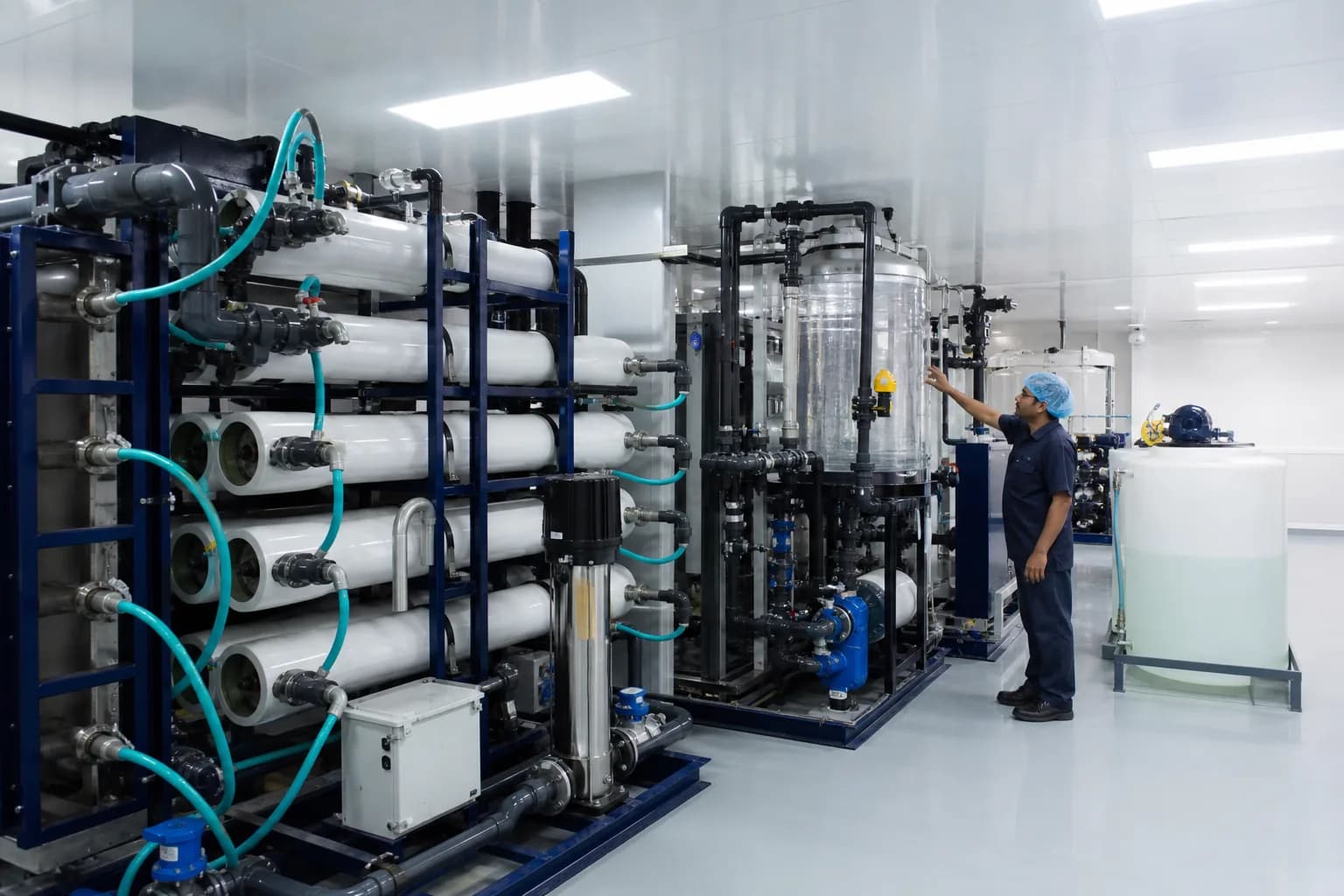
A pressure swing adsorption plant makes oxygen on site from ambient air. Its output is Oxygen 93 per cent, which carries its own monograph in the Indian Pharmacopoeia and is a different product from the higher purity oxygen supplied as liquid. It removes dependence on a supply chain, which is its real value, and it creates dependence on electricity, on compressor maintenance, and on your own quality control, because you are now manufacturing a drug rather than purchasing one.
Liquid medical oxygen delivers high purity, high storage density and low operating complexity, at the cost of a delivery relationship and a cryogenic installation with its own siting rules. It suits high-consumption hospitals with reliable road access. A cylinder manifold is the simplest and most flexible option and the most expensive per cubic metre at volume, which is why it belongs as a secondary or reserve supply in most designs rather than as the primary source for anything above a small facility.
Most hospitals of any size end up with two of the three, and that is usually the correct answer. A common configuration is a plant or vessel as primary, a manifold as secondary with automatic changeover, and a further reserve bank beyond it. What matters is that the combination is designed as one system, with one set of alarms and one set of records, rather than as a plant project bolted onto an existing manifold by a different contractor two years later.
Questions that decide between plant, liquid and cylinders
- What is your consumption, and how sharply does it peak seasonally?
- How reliable is grid power, and will the plant sit on essential supply?
- How long does your supplier take to reach you on a genuinely bad day?
- Do you have the space and setbacks a cryogenic vessel requires?
- Can you staff and evidence a drug manufacturing quality system?
Backup duration targets and what to measure them against
Backup duration is the number that should drive the entire design and it is usually the number nobody has written down. Ask it directly: if the primary supply stopped right now, at peak consumption, how many hours of oxygen remain before a clinical decision has to be made? Then set that against the realistic worst-case time to restore supply. If reserve hours are shorter than restoration hours, the design has a gap regardless of how impressive the plant room looks on a site visit.
Restoration time is where the honesty is required. It is not the response time quoted in the supply contract. It is that time on a public holiday, during heavy monsoon, with a road closed, while the supplier is serving three other hospitals with the same problem. Ask your supplier for their actual worst delivery delay over the past two years in writing. Several will give it to you. That figure, and not the contractual commitment, is what your reserve genuinely has to cover.
Then translate the target into an operating rule a plant room operator can act on at three in the morning. A reserve expressed as a percentage of vessel capacity is not actionable. A rule stating that a reorder is raised at a specific contents level, that a defined escalation happens at a lower level, and that the medical superintendent is informed at a lower level still, is actionable. Post it in the plant room and configure the same thresholds into the alarm settings.
Statutory approvals, and the sequence in which they bite
Medical oxygen is a drug under the Drugs and Cosmetics Act, which surprises hospitals that think of a PSA plant as a piece of engineering. A hospital manufacturing oxygen on site will generally require a manufacturing licence from the state drug licensing authority, with premises, equipment, testing arrangements and a qualified person specified. Several states simplified this for hospital captive plants and positions differ, so your state drug controller is the first call in the project rather than the last.
Cryogenic and pressure vessel installations bring the Petroleum and Explosives Safety Organisation into the picture. Liquid oxygen storage sits under the Static and Mobile Pressure Vessels (Unfired) Rules, and cylinder storage above threshold quantities sits under the Gas Cylinders Rules, both administered by PESO. Layout approval, setback distances from buildings and boundaries, foundation and fencing details, and periodic vessel testing all live here. The approval is granted against a drawing, so the drawing must precede the concrete.
Around those two sit the ordinary building approvals: fire clearance covering the plant room and storage yard, electrical inspectorate approval where connected load changes materially, and whatever the local authority requires for a new structure. The sequencing trap is that several of these depend on one another, and a hospital that pours a vessel foundation before obtaining PESO layout approval can find itself moving it. Draw the approval dependency map before raising the first purchase order.
Approvals to map before committing to an oxygen installation
- State drug licensing authority position on captive oxygen manufacture
- PESO layout approval for a cryogenic vessel or bulk cylinder storage
- Fire clearance covering the plant room, yard and tanker access route
- Electrical inspectorate approval where connected load changes materially
- Local building permission for the structure, plinth and boundary works
Siting and storage: the constraints nobody costs
Siting is where oxygen projects lose months. A cryogenic vessel needs setback distances, a non-combustible surround, protection from vehicle impact, and a tanker route that a large articulated vehicle can actually negotiate, including turning circle and overhead clearance. Hospitals on dense urban plots frequently discover that the only compliant location is the one currently occupied by parking, and that the parking has its own approval condition attached to it in the building permission.
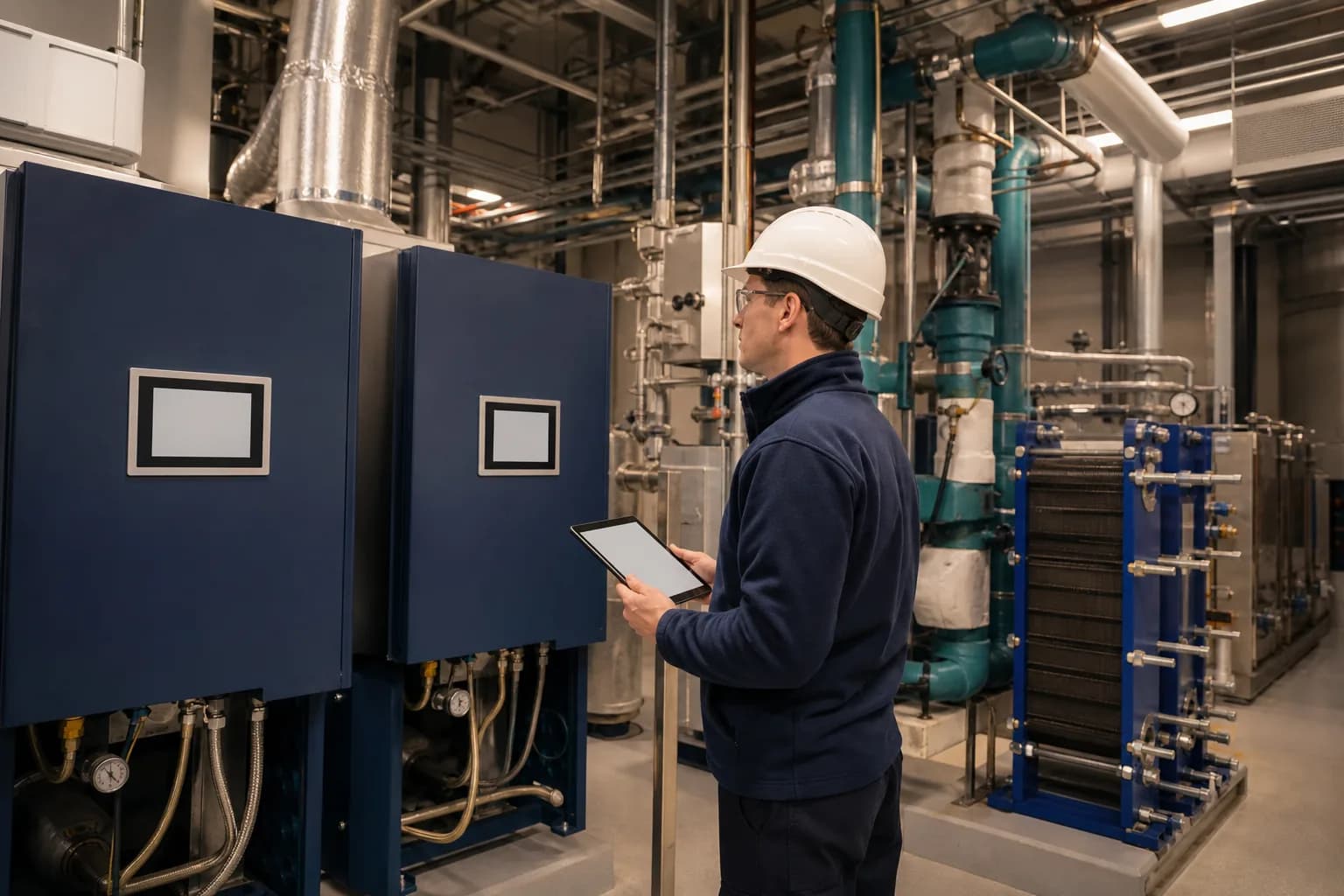
A PSA plant has different constraints and they are easy to underestimate. It needs a clean air intake sited away from generator exhaust, ambulance bays and kitchen flues, because what enters the compressor determines what leaves the plant. It needs ventilation and noise control, since compressors run continuously and the plant room is often adjacent to a ward. And it needs a supply on the essential electrical load, which is a switchboard alteration rather than a socket.
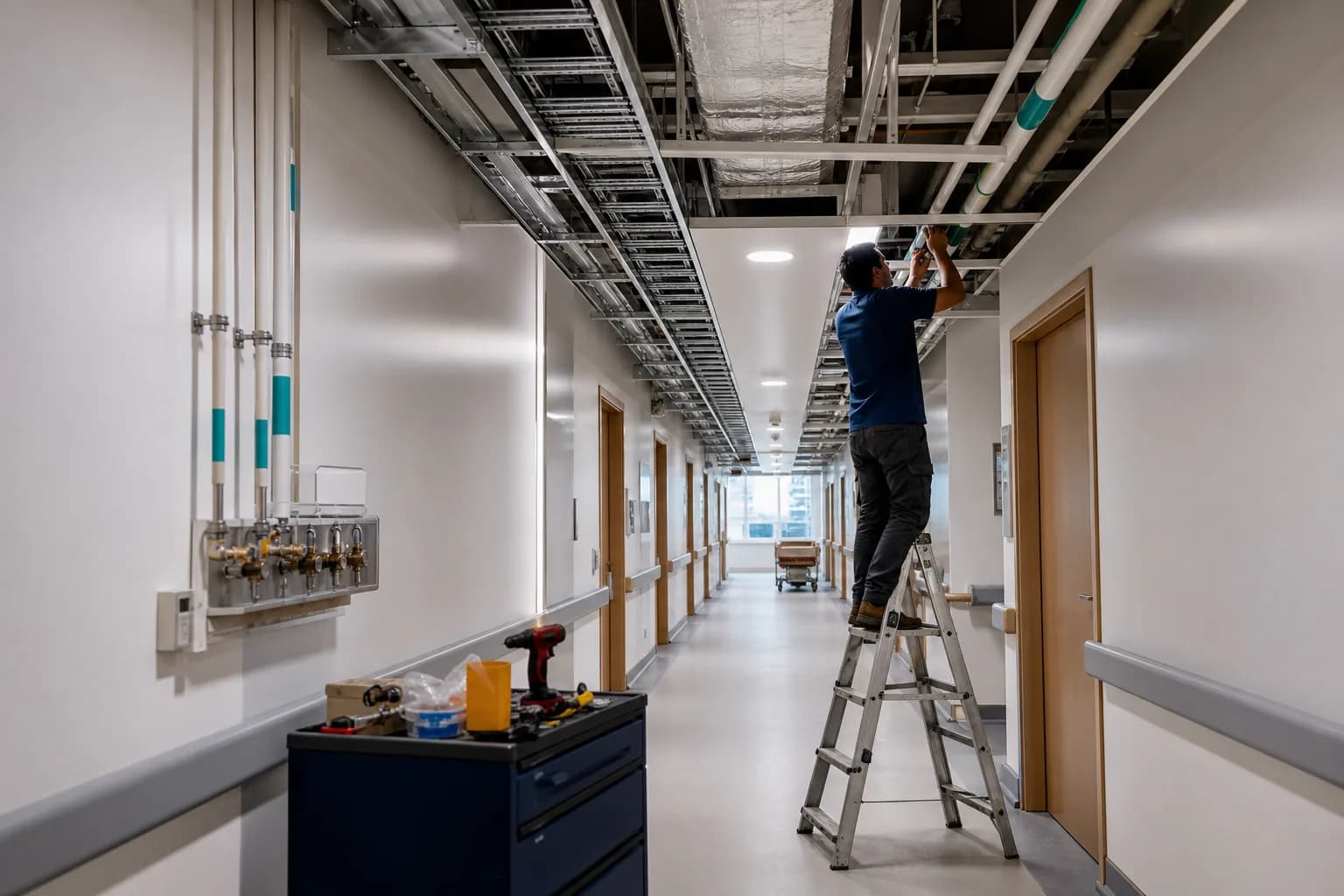
Access for maintenance is the constraint most often designed out. Plant rooms built to a minimum footprint leave no space to withdraw a compressor, replace an adsorber vessel, or wheel a trolley of cylinders through. The cost of that omission arrives years later as a wall being demolished for a service visit. Ask the contractor to mark maintenance withdrawal space on the layout drawing and treat it as protected area, not as circulation that will inevitably fill with stores.
“The plant itself took eleven weeks. The layout approval, the drug licence question, and moving a compound wall so the tanker could turn took nine months. We planned the wrong part of the project in detail.”
What the installation obliges you to do once it is running
A PSA plant converts a purchasing relationship into a manufacturing responsibility, and the obligations follow. Oxygen concentration has to be monitored continuously and logged, with an alarm and an automatic changeover if purity falls below the specified limit. Moisture, carbon monoxide and carbon dioxide content need periodic verification. The plant needs a shift or batch record. And the results need retaining for the period your licence conditions specify, in a form you can produce on request rather than reconstruct.
The mechanical side is ordinary but relentless. Compressor servicing measured on hours run rather than calendar months, air intake filter changes at a frequency your local dust load justifies rather than the one printed in the manual, dryer and adsorbent condition monitoring, and safety valve testing. Liquid installations add vessel and vaporiser inspection, periodic testing under the pressure vessel rules, and attention to vaporiser icing, which quietly reduces capacity long before it trips any alarm.
Finally, keep the whole oxygen picture in one review rather than three. Consumption trend, purity results, plant availability, reserve levels and supplier performance belong on a single page seen monthly by the committee that already reviews facility safety. Split across engineering, pharmacy and purchase, the pattern that predicts a shortage is visible to nobody in particular. One roughly assembled monthly page beats three accurate departmental reports that are never read side by side.