Start from the events, not the systems
Integration projects go wrong when they begin with a list of applications to connect rather than a list of events to publish. The operational events that matter are few: a patient is admitted, transferred, or discharged; a bed changes state; a theatre case starts and finishes; a device goes out of service. Enumerate those first, then decide which system is authoritative for each one.
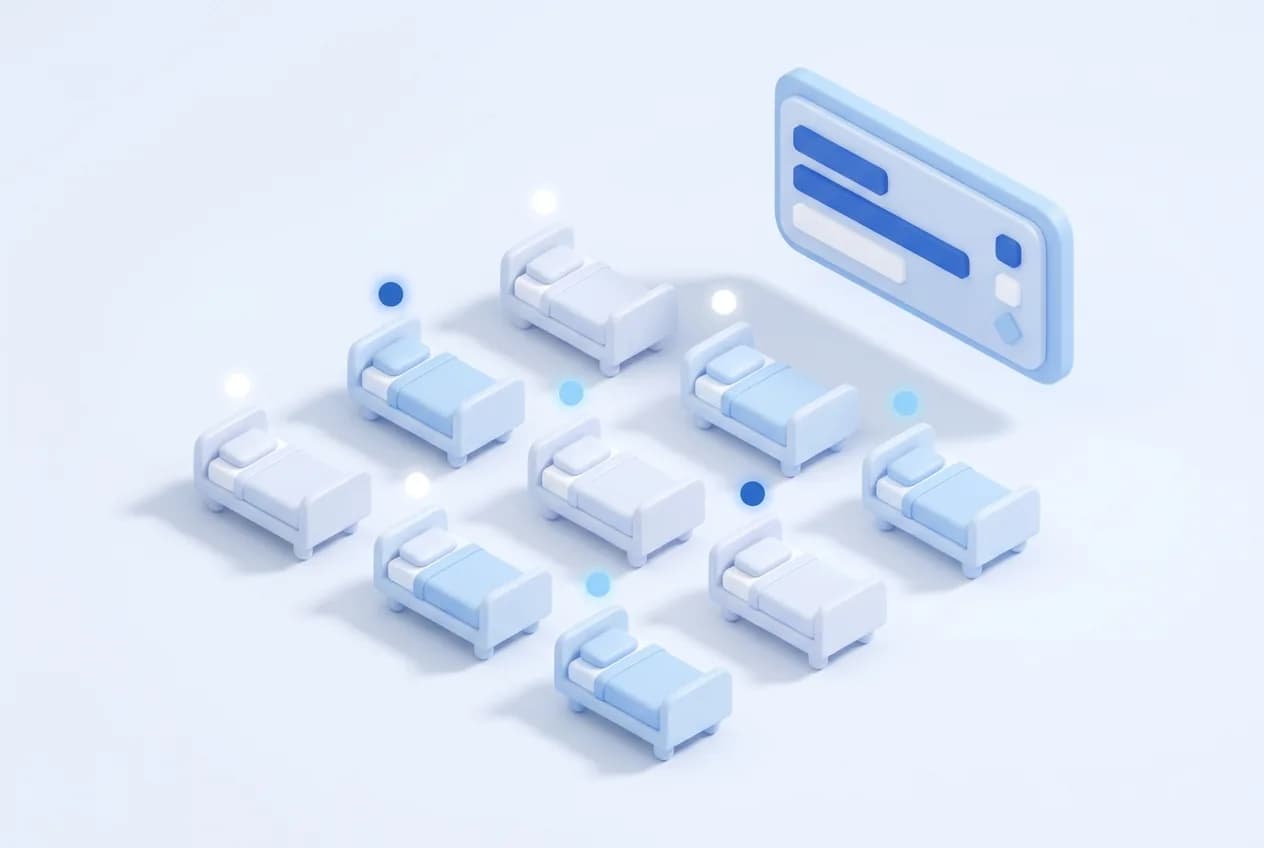
Authority is the decision that prevents most later disputes. If the admissions module owns bed state, the housekeeping application consumes it rather than maintaining a parallel copy that will eventually disagree. HealUDoc can act as the source of truth for admission-discharge-transfer and bed events while publishing them outward, or subscribe to an existing patient administration system — but the hospital must pick one direction per event and hold to it.
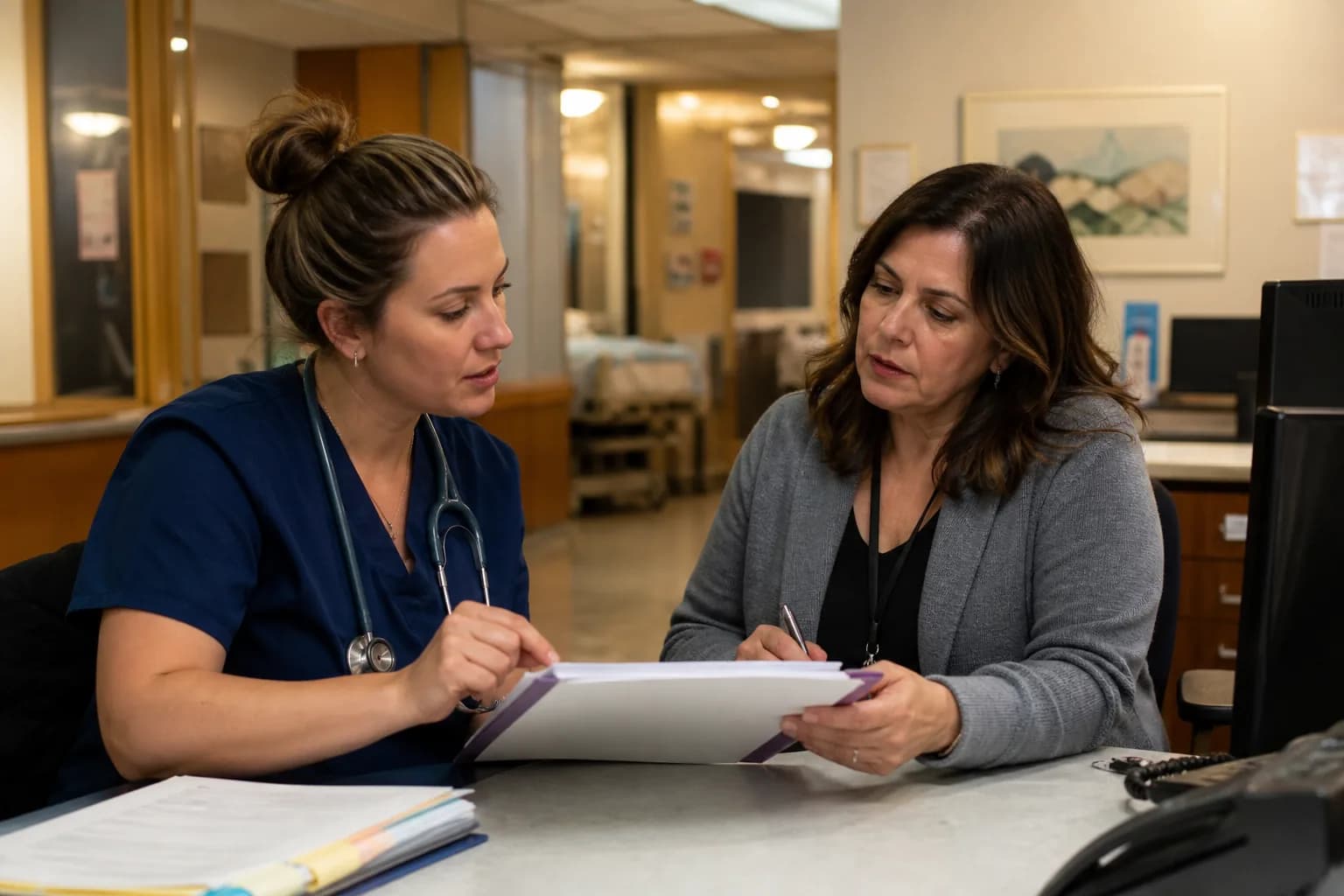
Operational events to define first
- Admission, transfer, and discharge
- Bed state and housekeeping completion
- Theatre case start and finish
- Equipment status and location change
- Order placed and result available
Admission-discharge-transfer is the backbone
Admission-discharge-transfer messaging carries more operational weight than any other interface, because dietary, laboratory, pharmacy, billing, portering, and bed management all react to it. HL7 v2 ADT remains the common transport in most hospitals, with FHIR Encounter and Location resources appearing in newer deployments. Whichever is chosen, the semantics of a transfer matter considerably more than the syntax carrying it.
Pay particular attention to the events that are easy to get wrong: a cancelled admission, a merged patient record, a transfer reversed within minutes. Systems that handle straightforward admits correctly often mishandle these, leaving orphaned dietary orders or beds that never release. HealUDoc emits a reversal explicitly rather than silently rewriting the prior state, which gives consuming systems something concrete to act on.
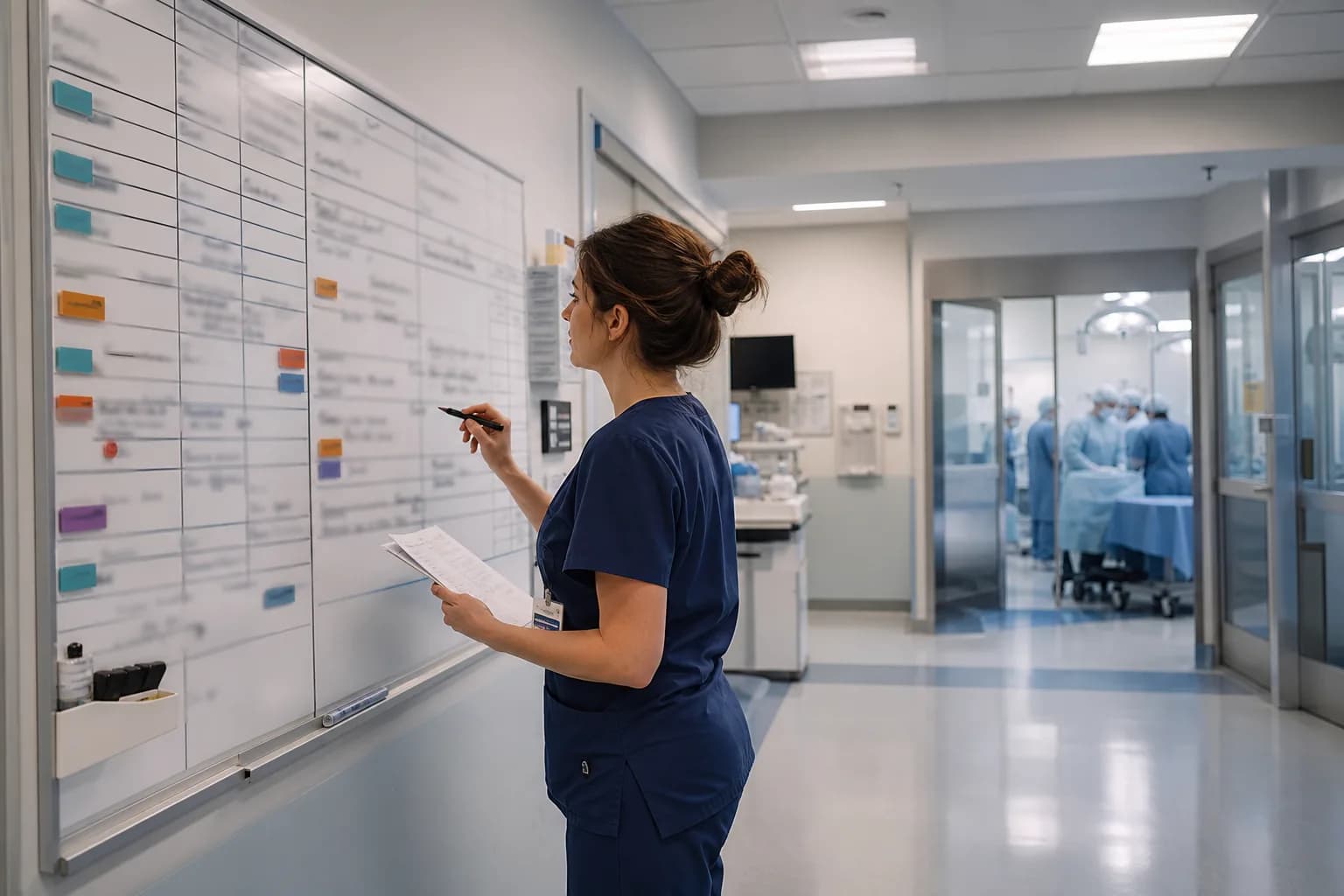
Theatre, sterile services, and equipment interfaces
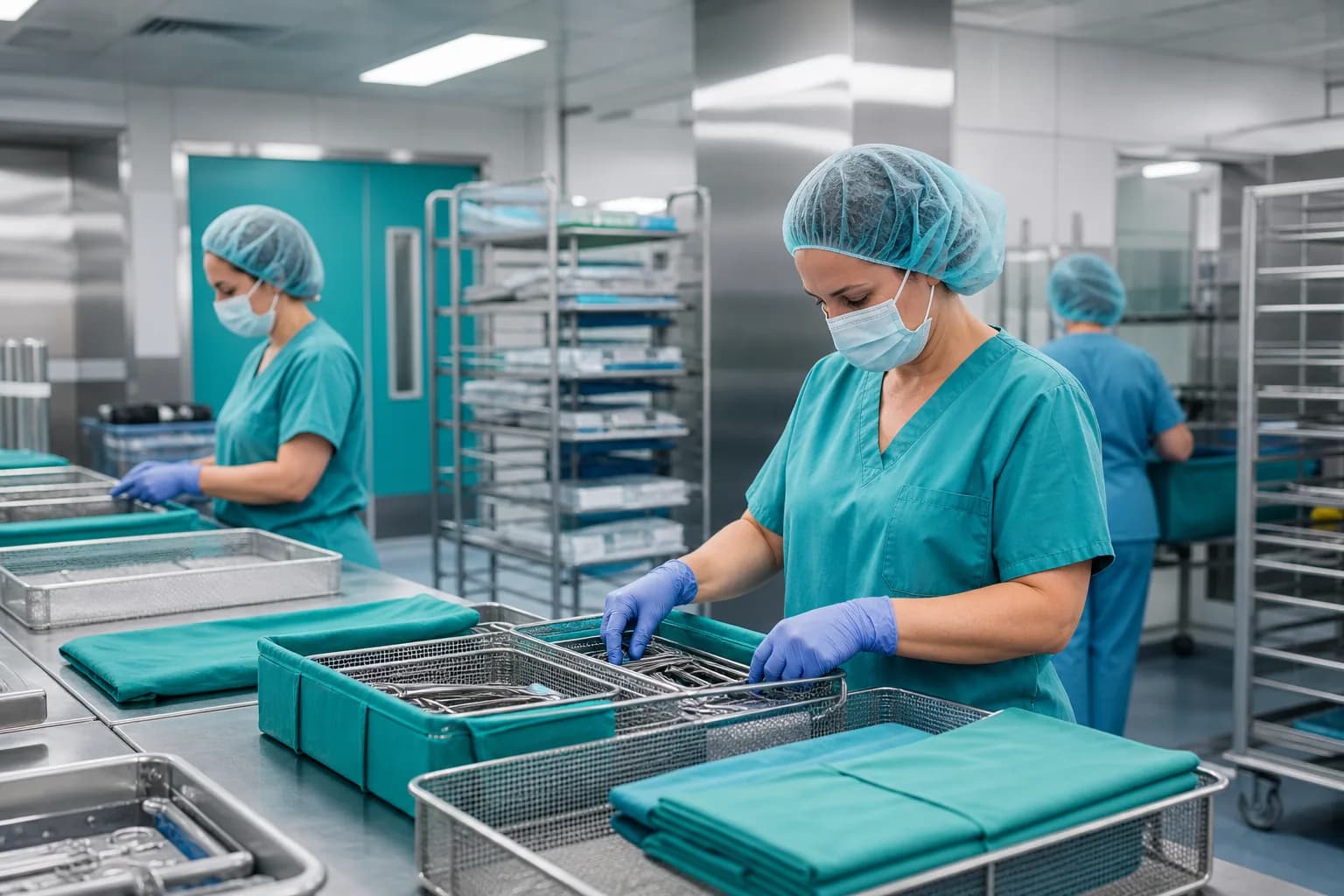
Theatre integration is usually three separate conversations. Scheduling exchanges with the surgical booking system, consumable and implant capture with inventory, and instrument set availability with sterile services. The last is the one most often omitted, and it is precisely the one that causes late list changes when a required tray has not completed its reprocessing cycle in time.
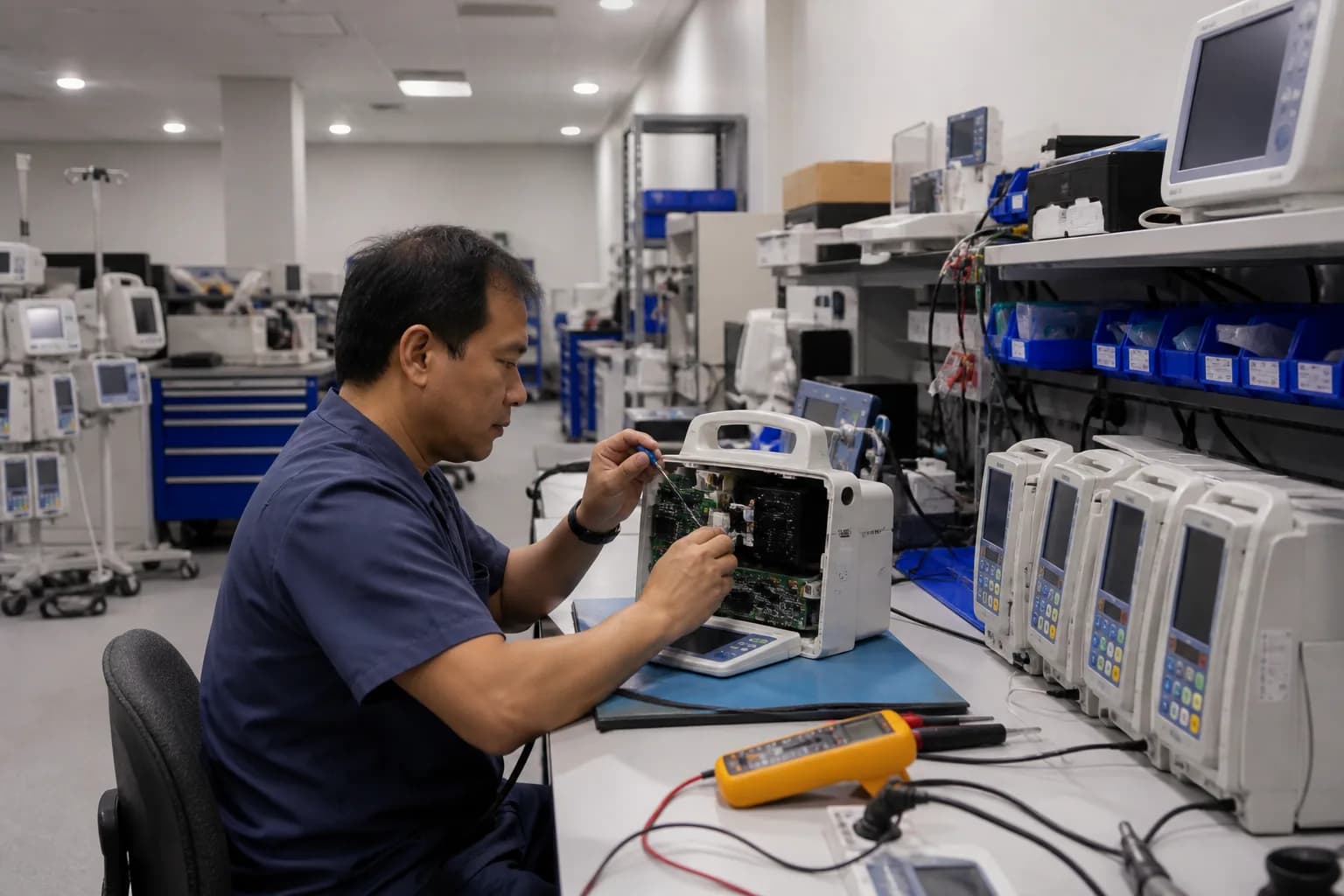
Equipment interfaces have a different character. Biomedical service management platforms, manufacturer maintenance portals, and asset tracking hardware each hold a partial view of the same device. Decide whether the hospital registry or the vendor system owns the maintenance schedule, since two systems both believing they own it will generate duplicate work orders. HealUDoc's registry can hold criticality, custody, and branch history while consuming service completion from an external provider.
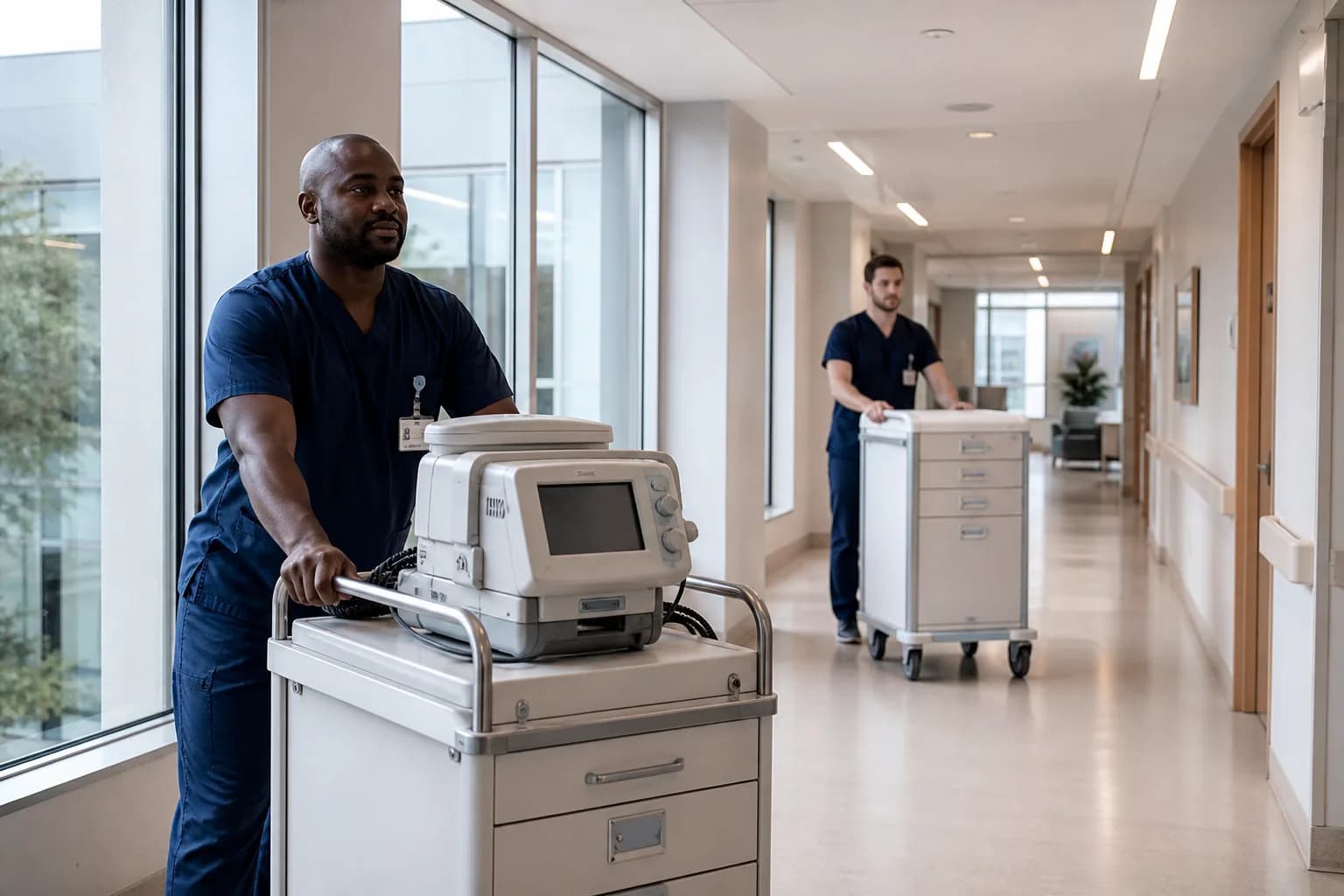
Identity and master data must be settled first
No interface survives poor identity management. A single patient identifier across branches, an unambiguous encounter identifier, and stable codes for locations, departments, and services must exist before messages start flowing. Otherwise the integration faithfully transmits duplicates at speed, and reconciling them afterwards costs considerably more than establishing the rules would have cost upfront.
Location master data is routinely underestimated. A bed needs a stable identifier that survives room renumbering, ward renaming, and branch reorganisation, because historical occupancy reporting depends on it. HealUDoc models branch, department, ward, room, and bed as a hierarchy with persistent identifiers, so a ward can be renamed without breaking the interfaces or the reporting history sitting behind them.
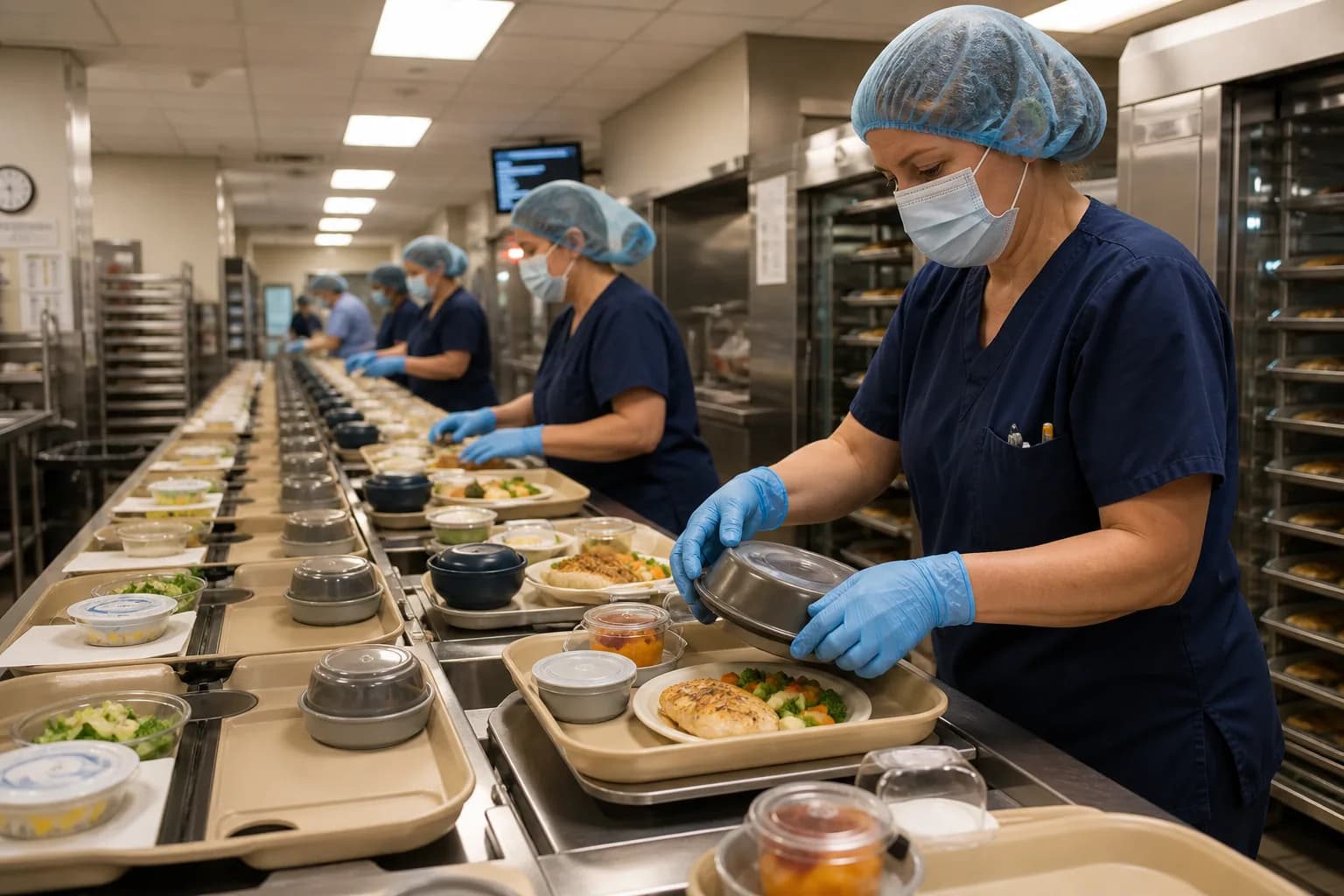
Master data to stabilise before integration
- Patient identifier shared across branches
- Encounter and visit identifiers
- Bed, room, and ward identifiers
- Department and service catalogue codes
- Clinician and role directory
Failure handling is the real design work
The interesting part of an interface is what happens when it fails. A message that cannot be processed must land somewhere visible, with a person responsible for reviewing the queue, rather than disappearing into a log file nobody reads. Decide whether the receiving system rejects and retries, quarantines and alerts, or accepts with a flag — and make that choice per message type instead of globally.
Plan for scheduled downtime as deliberately as for faults. Wards need a documented procedure for recording admissions and bed states on paper during an upgrade window, and a defined reconciliation path afterwards. HealUDoc queues inbound events through maintenance windows, but reconciliation still requires ward staff to confirm what actually happened while the interface was quiet.
Govern interfaces as a permanent service
Interfaces are often treated as project deliverables and then abandoned. Each one needs a permanent owner, a monitored error queue, a change process, and a register recording what it carries, which systems depend on it, and who to call when it stops. Without that register, a routine upgrade to one application silently breaks a downstream workflow nobody had connected to it.
Test changes against realistic operational scenarios rather than clean sample messages. A merge of two patient records, a transfer between branches, and a theatre case cancelled after the patient reached the anaesthetic room will expose assumptions that tidy test data never touches. Retest those scenarios after every vendor upgrade, because the meaning of an event can shift without the message format changing at all.
“Every serious outage we had traced back to an interface that worked perfectly and an assumption about it that nobody had written down.”