If the operation is slow, marketing only buys you a longer queue
Hospitals love growth campaigns. Fewer love the unglamorous work of making Tuesday afternoon run smoothly. Yet every minute you remove from registration, order turnaround, and discharge is a minute you can give to another patient — without adding a single bed.
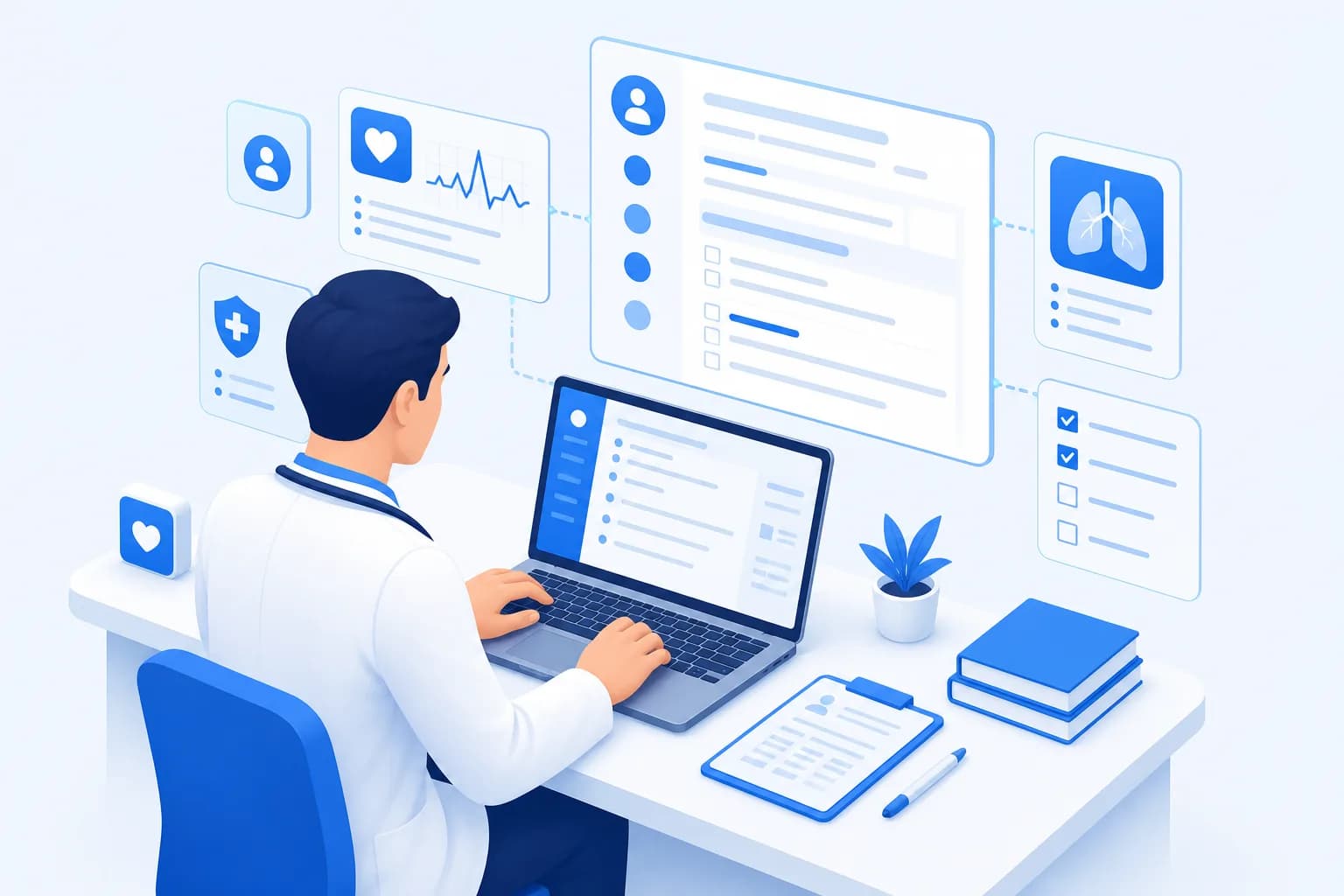
An EHR improves hospital operations by connecting the steps that used to wait on people carrying paper. Efficiency is not cold. For patients, efficiency feels like respect.
This article shows where EHR-driven operations create room to grow.

OPD throughput: the front door of your reputation
OPD is where first impressions harden. Duplicate files, missing prior reports, and unclear token flow turn a good consultant panel into a frustrating morning.
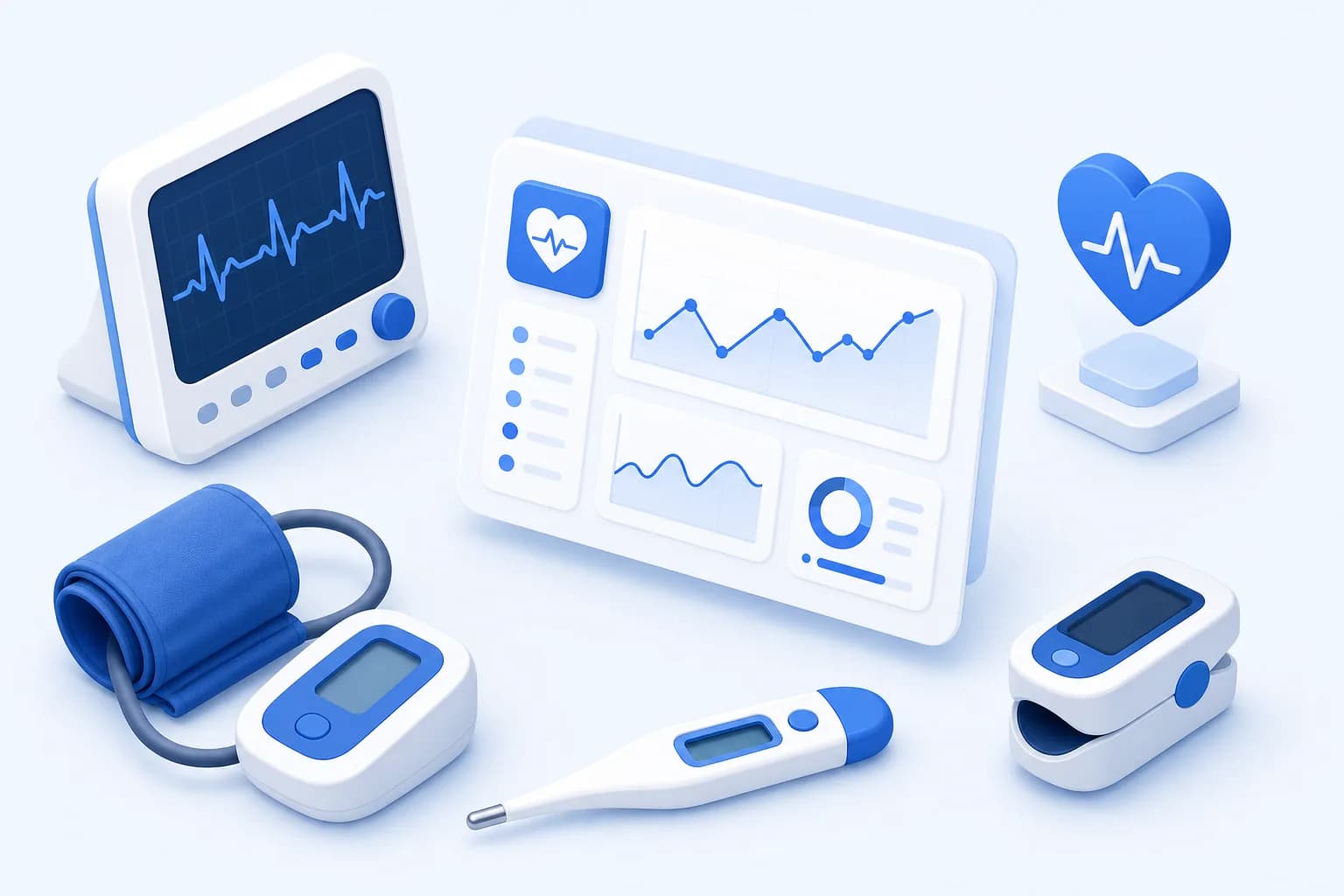
With an EHR, appointment status, arrival, vitals, history, and orders share one flow. Your team spends less time searching and more time moving the patient through care. That is how you increase completed consultations per session without rushing the clinical conversation.
Measure door-to-doctor time and door-to-bill time. Those two numbers tell you whether operations are helping growth or fighting it.
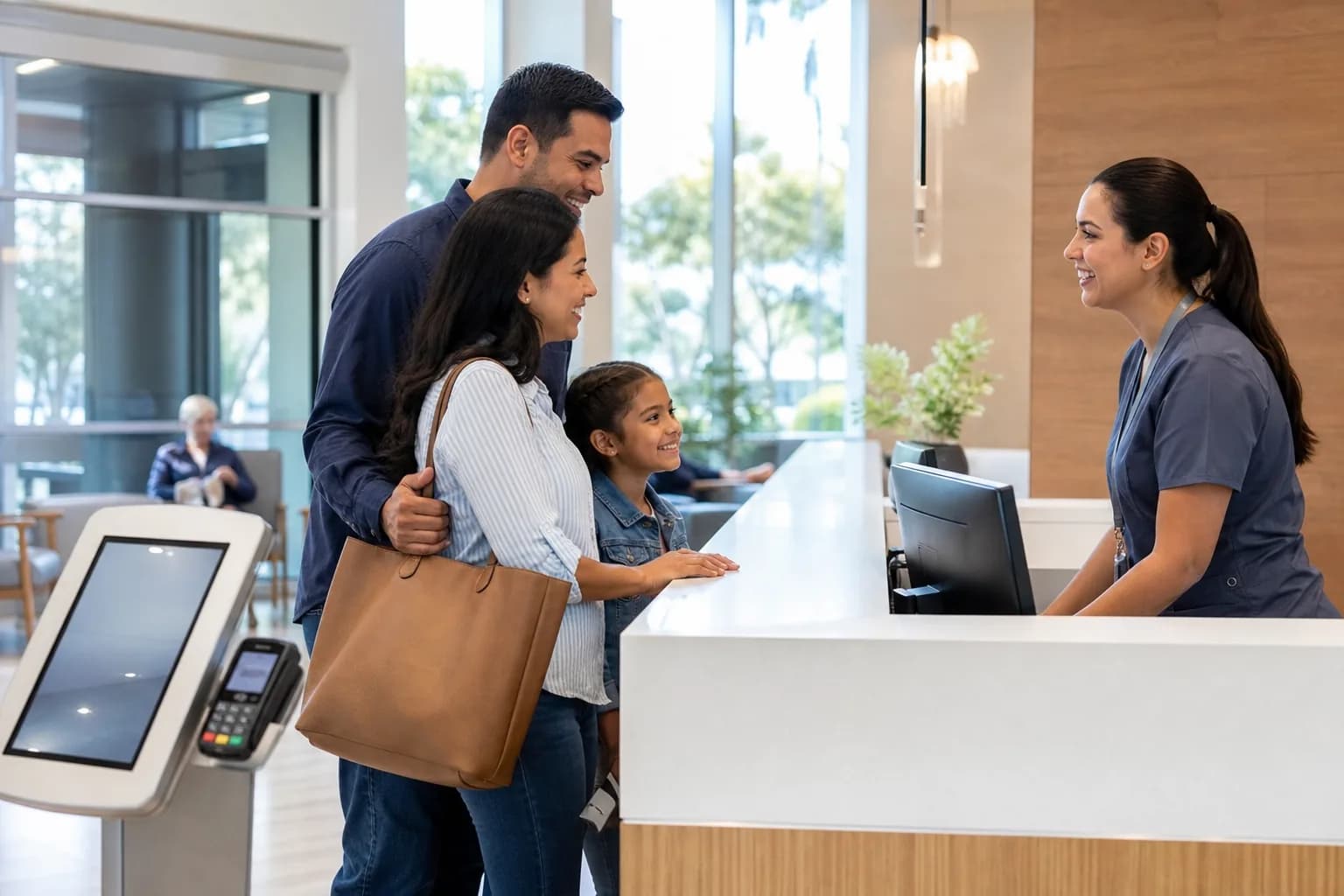
OPD operations wins to chase
- One patient identity across visits and departments
- Prior notes and reports available before the consult
- Orders placed once and visible to lab and pharmacy
- Clear queue status for patients and staff
- Same-day billing that matches ordered services
IPD flow: beds are expensive when they wait on paperwork
Length of stay often stretches for non-clinical reasons: pending summaries, unclear pending investigations, pharmacy delays, or billing holds discovered at the last hour. Families remember that delay more than they remember your corridor art.
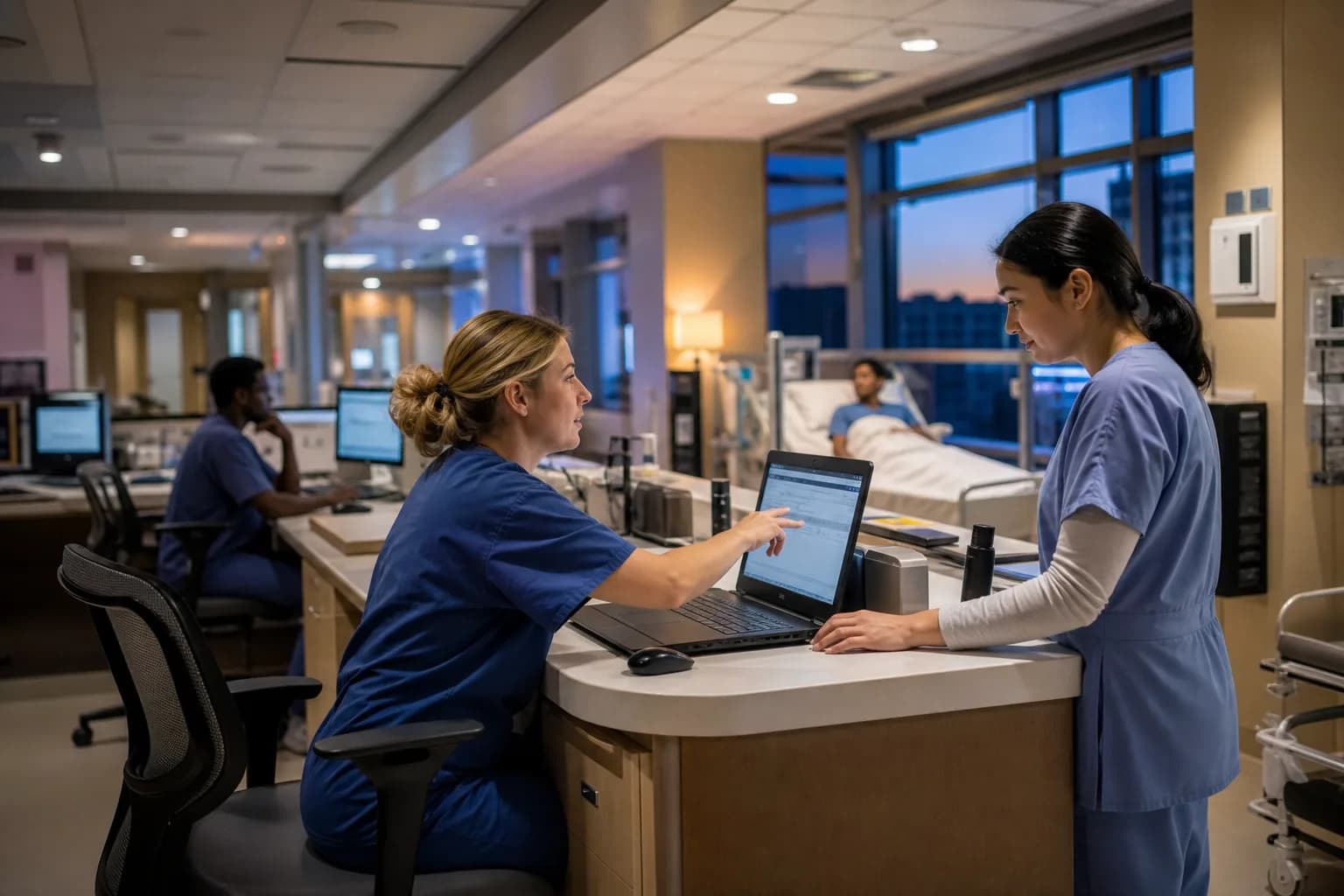
An EHR makes pending work visible. Managers can see which discharges are blocked and why. Clinicians can complete summaries against structured prompts. Pharmacy and billing can prepare in parallel instead of in surprise.
Freeing a bed earlier is growth. It is also kindness.
Diagnostics and pharmacy: the middle of the hospital that decides the pace
Lab and pharmacy are pace-setters. If orders arrive incomplete, samples get relabeled, or stockouts appear mid-round, every downstream promise collapses.
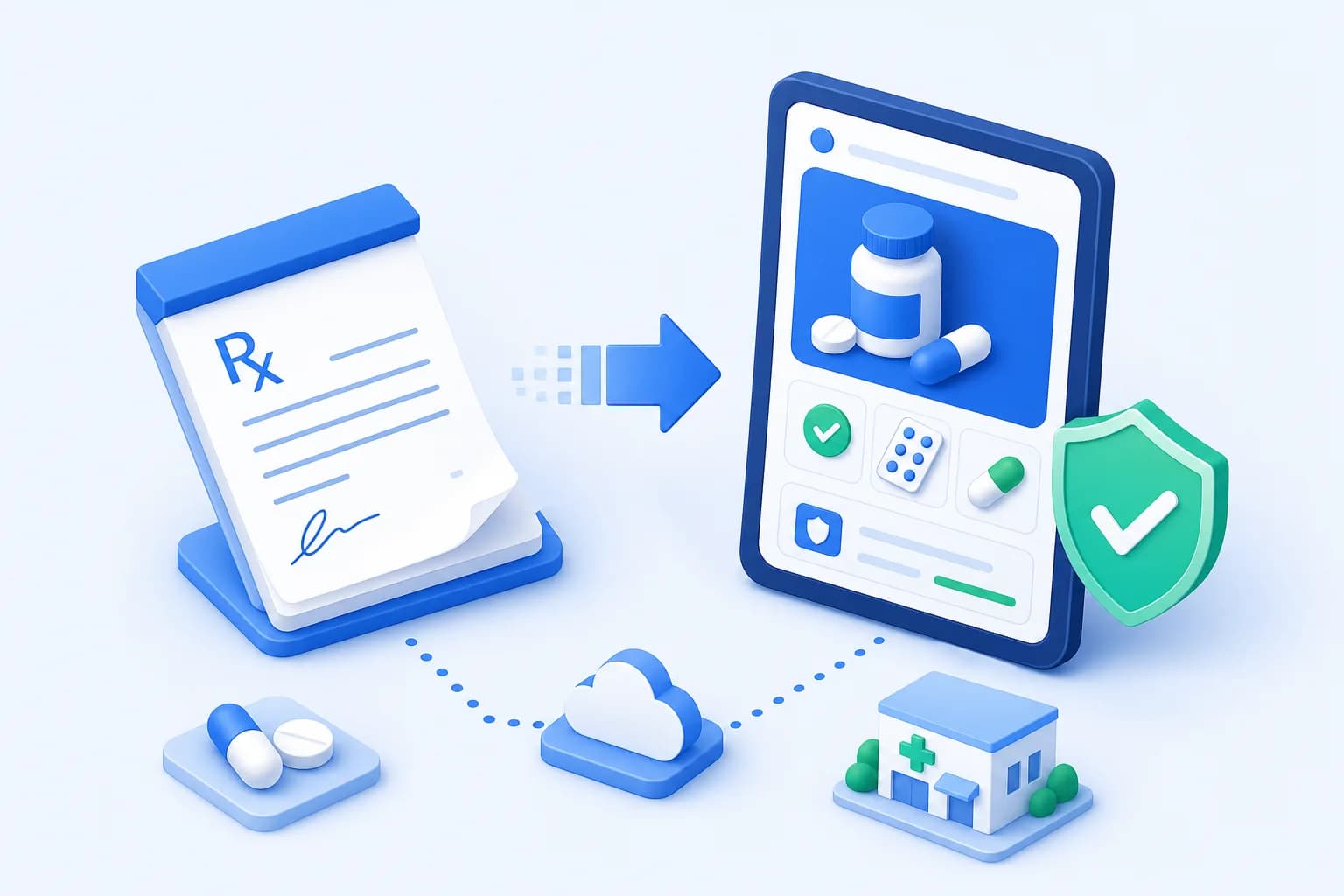
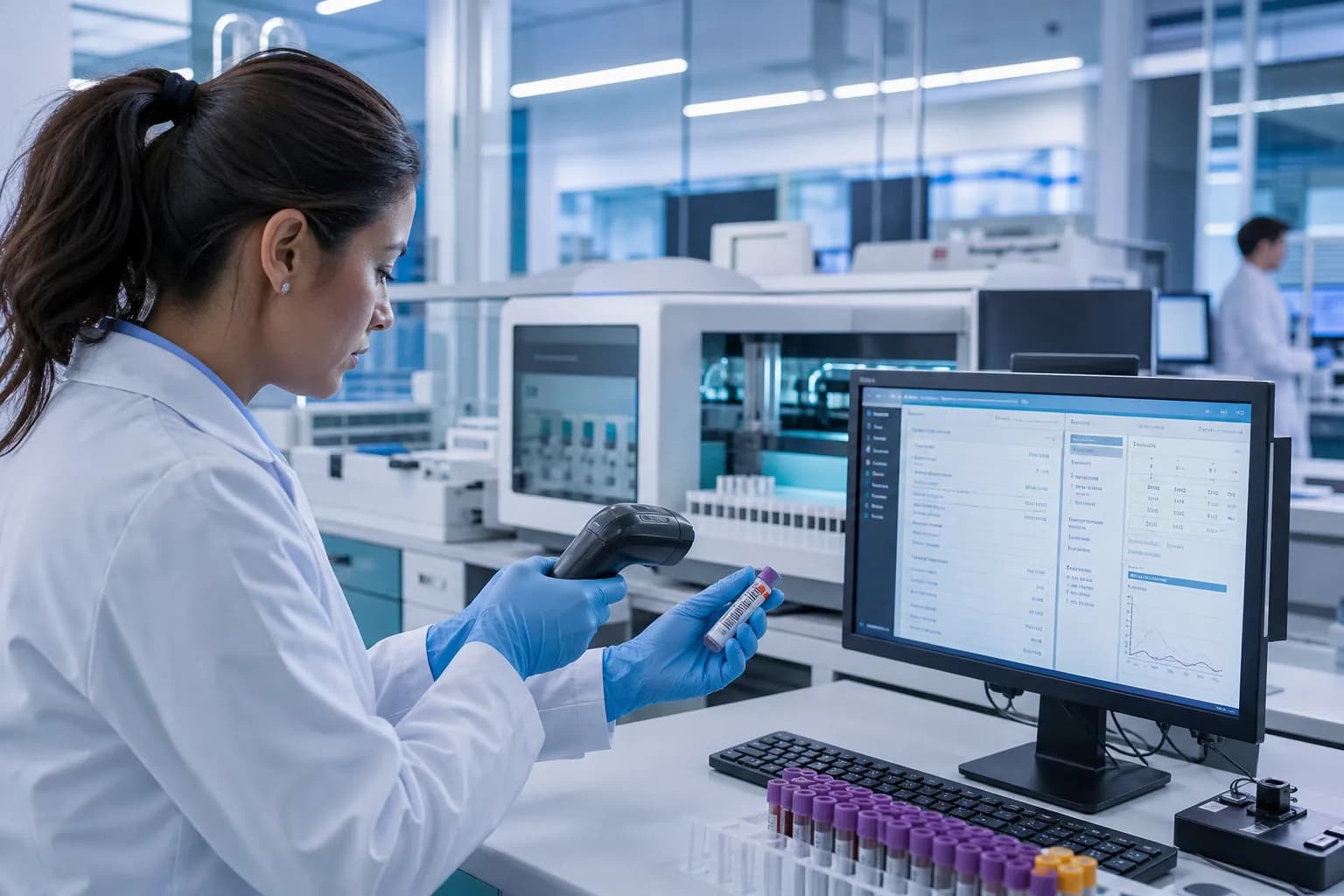
EHR-linked diagnostics and pharmacy reduce rework: the order is clear, the identity is consistent, the result returns to the chart, and the medicine issue updates the record. HealUDoc-style integrations keep that chain intact so operations leaders can manage exceptions instead of rebuilding the chain every shift.
When the middle of the hospital is digital, the edges feel calm.
Operations data is how you choose the next investment
Should you extend evening OPD, hire another intensivist, expand dialysis, or open a second pharmacy counter? Those decisions are expensive when based on anecdotes.
EHR operations data shows true demand by hour, service-line bottlenecks, and where staff effort is consumed. Growth then becomes a sequence of bottleneck removals instead of a guessing game.
Efficiency is not the opposite of growth. In hospitals, efficiency is how growth stays profitable and humane.

“Our best growth year was the year we stopped launching new services long enough to fix the flow of the ones we already had.”
Build an operations cadence around the EHR
Choose a weekly throughput huddle. Review waits, pending results, discharge blockers, stock exceptions, and billing holds. Assign owners. Track whether the same issues return.
An EHR for hospital operations only transforms the business when leaders look at it on purpose. Software on a shelf changes nothing. Software in the weekly rhythm changes everything.

This month’s operations sprint
- Map the top three discharge delay reasons
- Fix identity duplicates at registration
- Make critical results impossible to miss in the chart
- Align pharmacy issue timing with medication rounds
- Publish one shared operations dashboard for HODs