What “important” actually means on a hospital floor
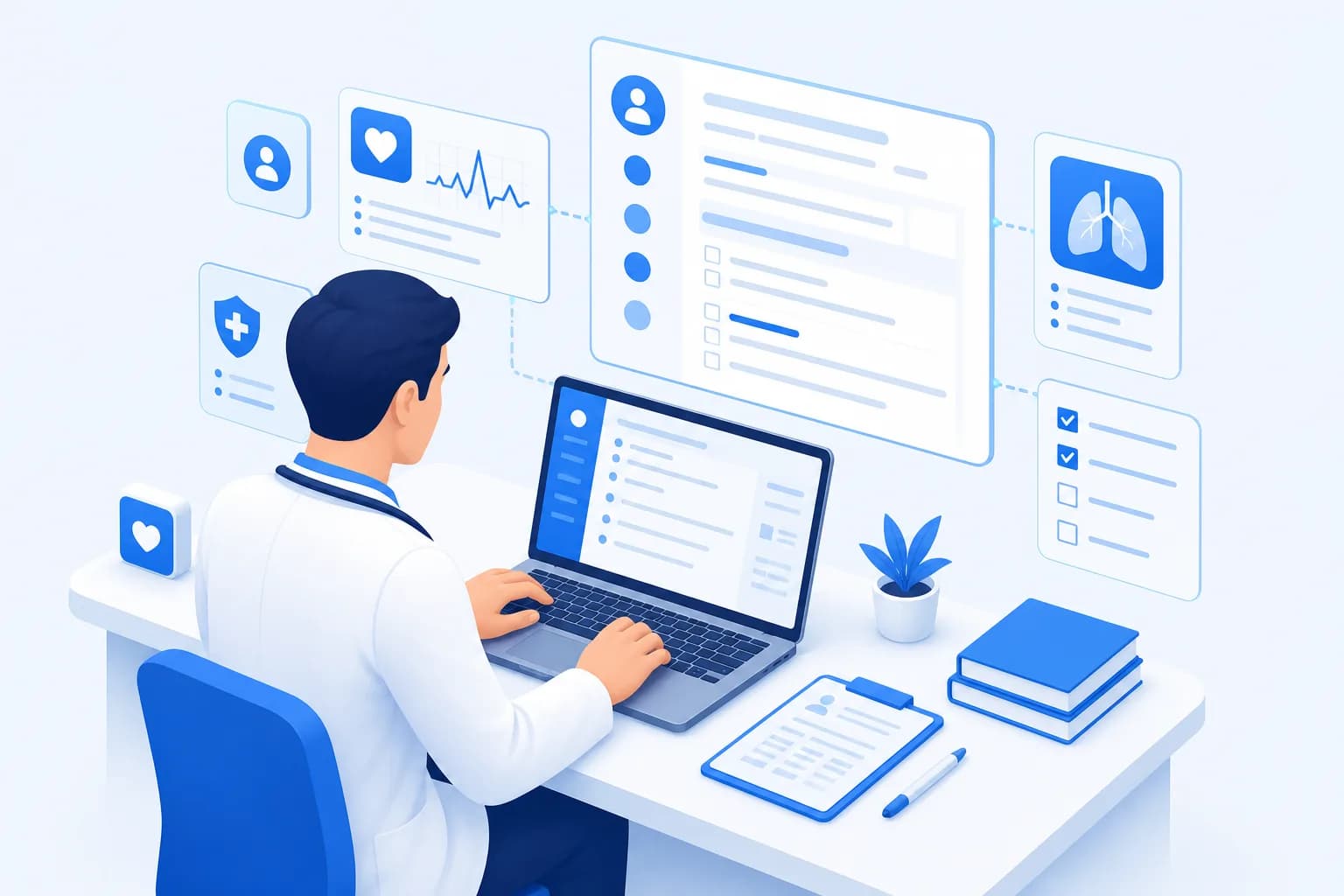
When hospital leaders ask why EHR is important, they are rarely asking for a technology definition. They are asking whether a shared electronic record changes what happens at the bedside, at the pharmacy counter, at discharge, and when a patient returns three months later with a half-remembered medication list. Paper charts and WhatsApp threads can store facts; they cannot reliably assemble a longitudinal medical record that every authorised clinician can trust under time pressure.
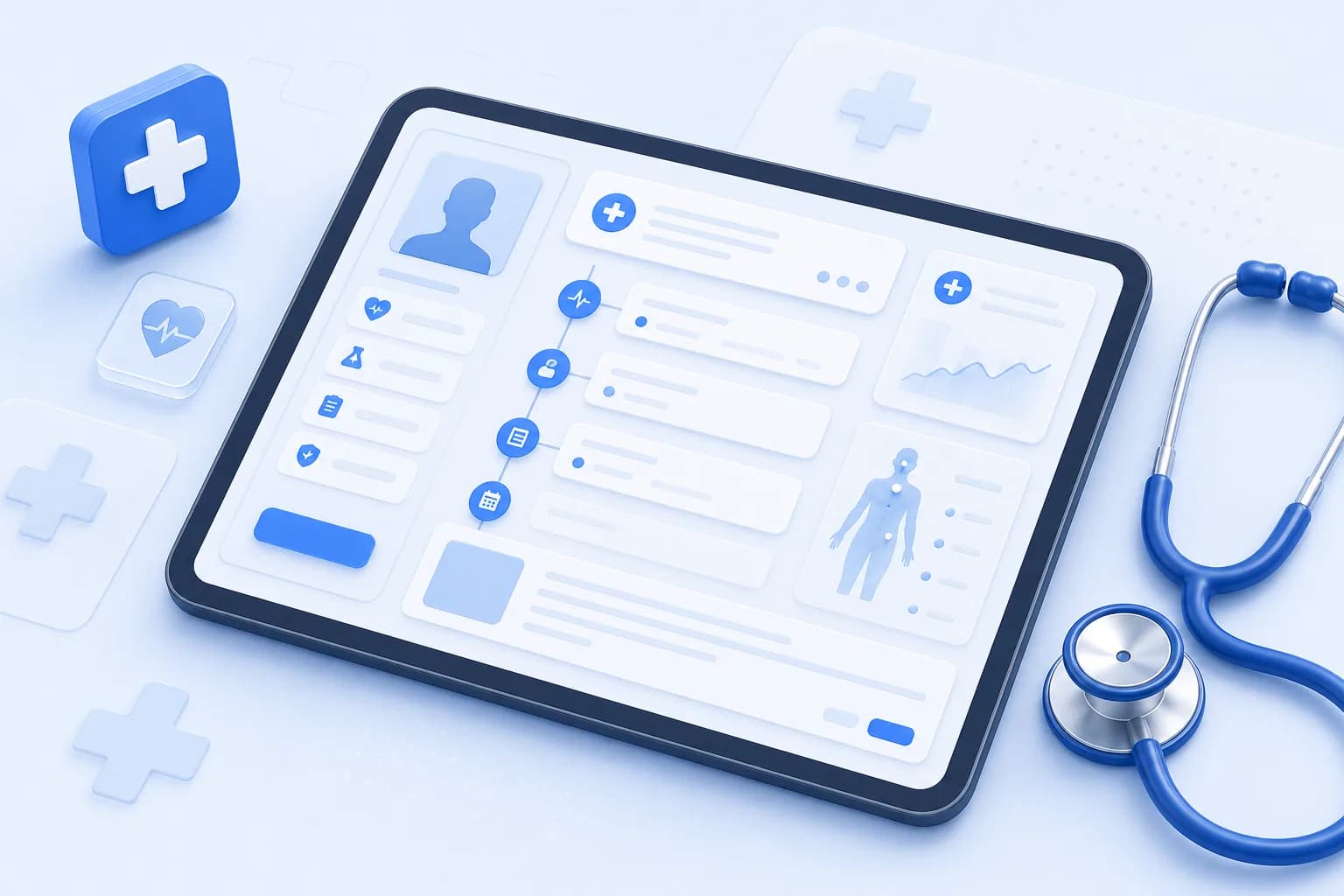
Electronic health records matter because they turn fragmented encounters into one continuous clinical story. Allergies, current medications, recent laboratory values, imaging reports, and prior discharge summaries become visible before the next decision is made. That visibility is the difference between guessing and knowing — and it is why modern hospitals treat the EHR as clinical infrastructure rather than as an administrative database.
Patient safety depends on a complete, current record
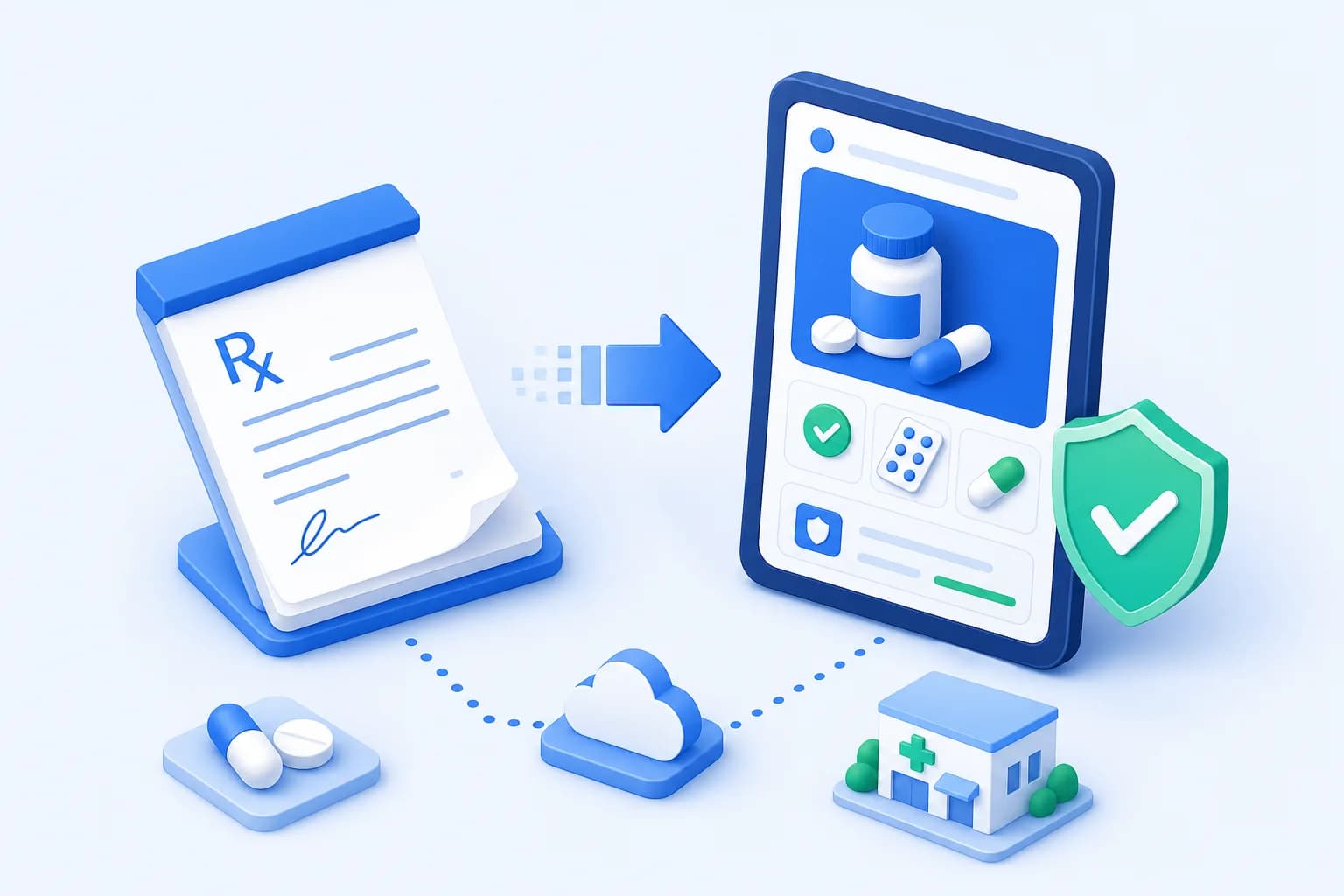
Most preventable hospital harm is not exotic. It is a missed allergy, a duplicated antibiotic, a potassium result that never reached the prescribing doctor, or a dose calculated from an outdated weight. An EHR reduces those failure modes when allergies and medications are coded, orders flow electronically, and results close the loop back to the responsible clinician instead of sitting in a print queue.
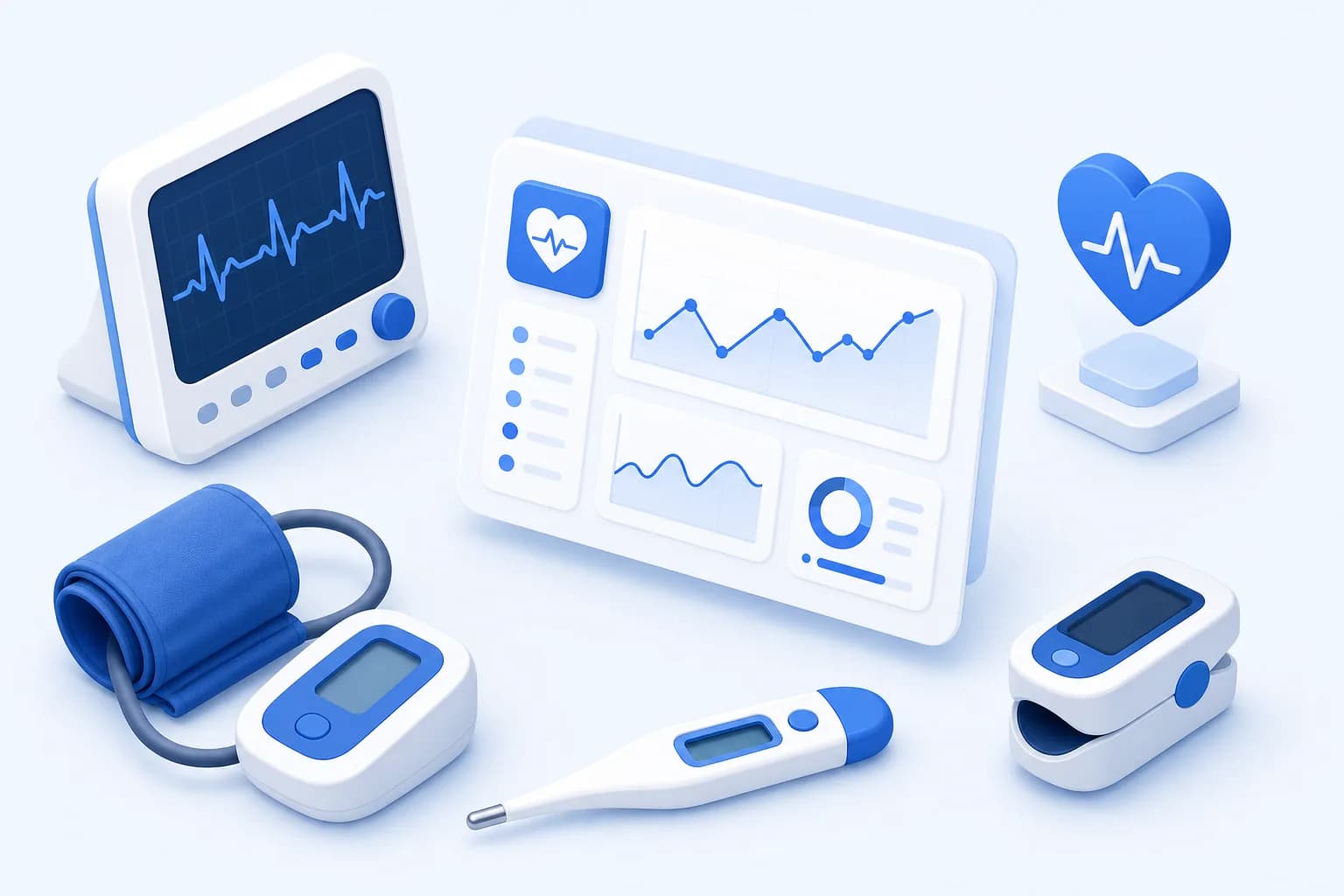
Clinical decision support is only as useful as the data beneath it. Drug-interaction checks, duplicate-therapy warnings, and early-warning scores require structured fields that are maintained as part of routine work. Hospitals that keep critical facts in free-text notes or paper sidecars get alerts that fire late, fire wrongly, or never fire at all — which is why the importance of EHR in hospitals is inseparable from how carefully the record is designed and used.
Safety capabilities that only work with a live EHR
- Coded allergies and adverse-reaction history available at ordering
- Electronic prescribing with pharmacy verification
- Closed-loop laboratory and radiology results
- Medication reconciliation at admission and discharge
- Auditable emergency access when the usual path is blocked
Care coordination across OPD, IPD, and diagnostics
A hospital is a relay race. The outpatient physician starts a workup, the inpatient team continues it, the laboratory returns values, radiology reports a study, and pharmacy dispenses therapy — often across shifts and branches. Without a shared EHR, each handoff depends on memory, photocopies, or informal messages that do not become part of the legal record.
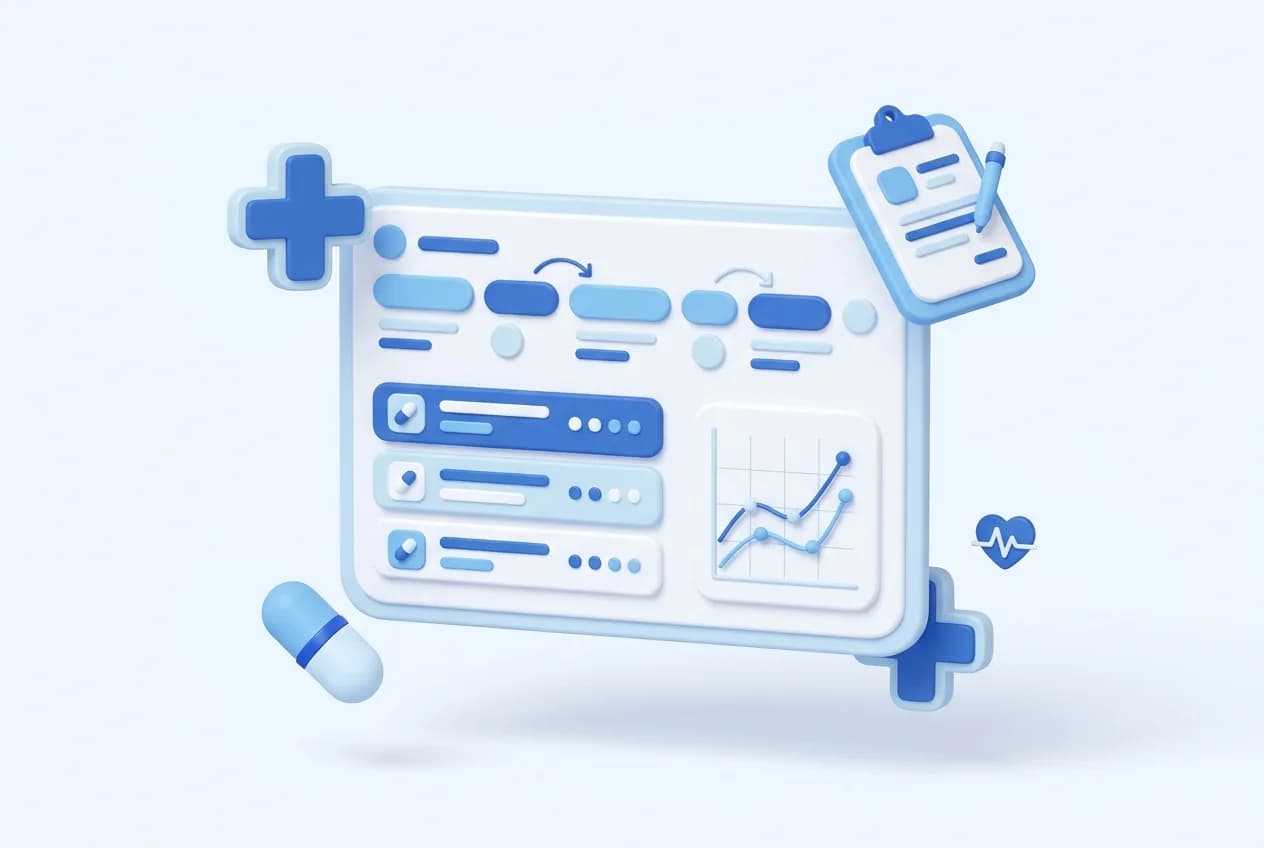
With a connected platform, the same patient identity travels from OPD registration into IPD admission, orders carry context into diagnostics, and the discharge summary can pull from what was already documented rather than being rewritten from scratch. Platforms such as HealUDoc are built for that continuity: one patient timeline across departments so the next clinician does not have to reconstruct yesterday’s care from scraps.
Coordination gains hospitals notice first
- Faster retrieval of prior notes, medications, and results
- Fewer repeated tests because recent results are visible
- Clearer responsibility when an abnormal result needs action
- Smoother transitions from outpatient to inpatient care
- Discharge documentation grounded in the encounter record
Operations, billing, and accreditation all ride on the same data
The clinical case for EHR software is strong on its own, but hospital executives also live with bed occupancy, claim rejection, coding accuracy, and accreditation evidence. Those functions collapse when clinical activity is captured twice — once on paper for care and again in spreadsheets for administration. A working EHR makes the clinical event the source of operational truth.
When documentation, orders, and outcomes sit in structured form, length of stay analysis, infection indicators, and documentation audits stop being heroic month-end projects. Quality committees can review exceptions rather than assemble binders. Revenue teams can see why a claim lacked a diagnosis or a procedure timestamp. That shared data layer is a practical reason the benefits of electronic health records extend beyond the ward into finance and governance.
What hospitals lose when the record stays fragmented
Hospitals without a coherent EHR do not stand still; they accumulate workarounds. Departments invent private registers. Consultants keep personal notebooks. Laboratory reports are photographed and forwarded. Each workaround solves a local problem and creates a system-wide liability: incomplete history, unverifiable consent trails, and no single place to answer a complaint, a readmission review, or a regulator’s request.
Fragmentation also burns staff time. Nurses re-enter vitals that already exist somewhere else. Pharmacists call wards for clarification that should have been in the order. Medical records staff chase missing notes before a discharge can close. The cost rarely appears as a line item named “no EHR”; it appears as overtime, delay, and quiet clinical risk.
“We did not realise how much of our day was spent reconstructing the patient until the record finally held the story in one place.”
Importance is not the same as installation
Buying electronic medical records software does not automatically deliver the benefits above. An EHR becomes important only when clinicians use it as the primary workspace, when mandatory fields match real decisions, and when downtime procedures keep care safe when the system is unavailable. A poorly configured build can recreate paper chaos inside a digital shell.
Treat importance as a programme, not a purchase. Map the pathways that matter — registration, prescribing, results, discharge — measure baseline delays and defects, then improve those pathways in the live record. Clinical documentation should stay readable for the next clinician, not merely complete for a checklist. Training, governance, and ongoing optimisation are part of why the EHR earns its place, not optional extras after go-live.
Signs your EHR is delivering real hospital value
- Orders and results move without parallel paper trails
- Medication lists are reconciled at transitions of care
- Discharge summaries are timely and clinically usable
- Leaders can audit quality indicators from the live record
- Staff escalate system issues instead of inventing sidecars
A practical bottom line for hospital leaders
Why EHR is important for hospitals comes down to three obligations that paper cannot meet at scale: keep patients safer with current clinical facts, keep teams coordinated across departments and shifts, and keep the organisation able to prove what care was given when asked. Those are clinical, operational, and legal requirements — not fashion.
If your hospital still depends on disconnected registers and messaging threads for core clinical history, the priority is not another report. It is a governed electronic health record that clinicians will actually use, connected to the departments that already shape every episode of care. That is the foundation every later investment in analytics, telehealth, or AI documentation has to stand on.