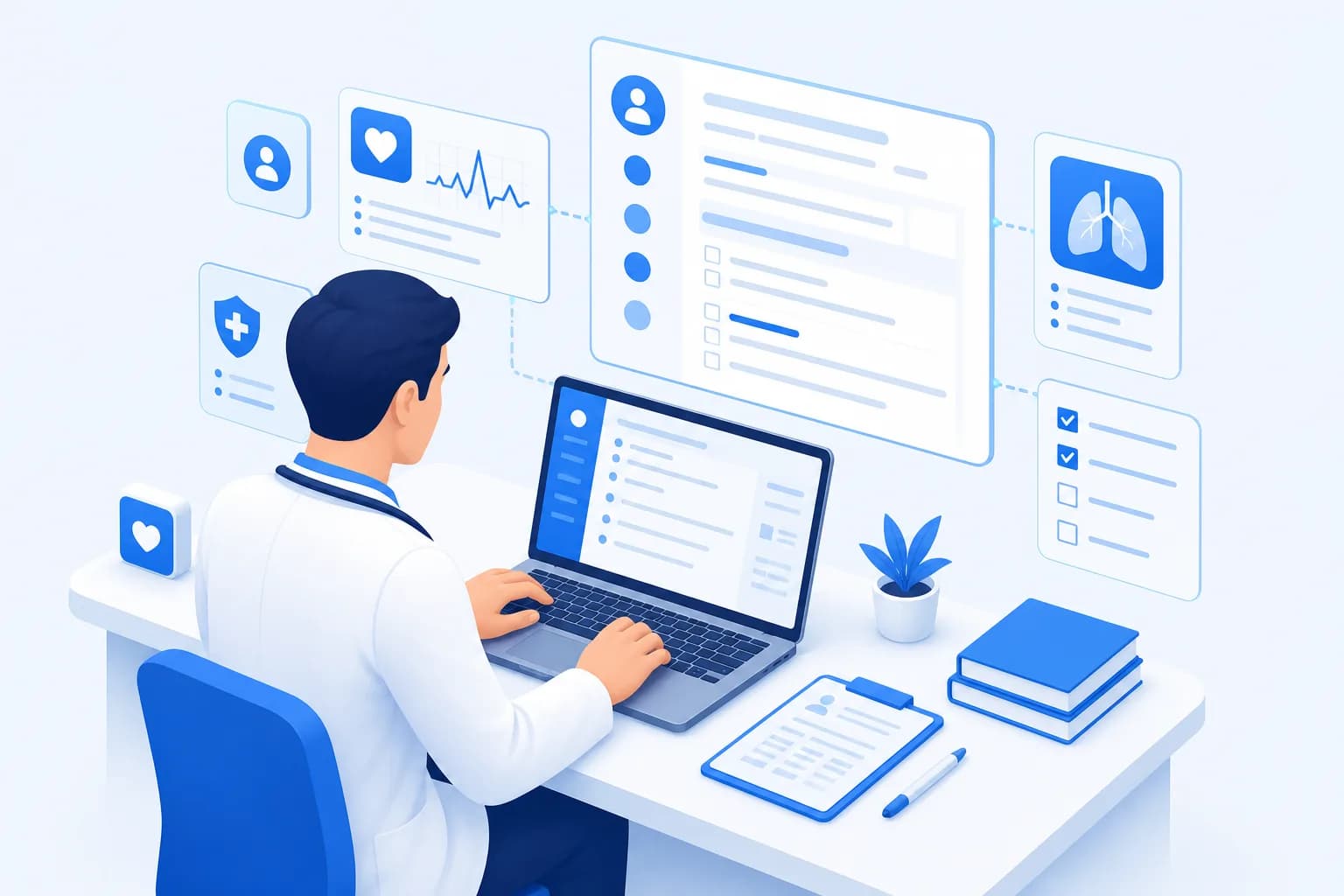
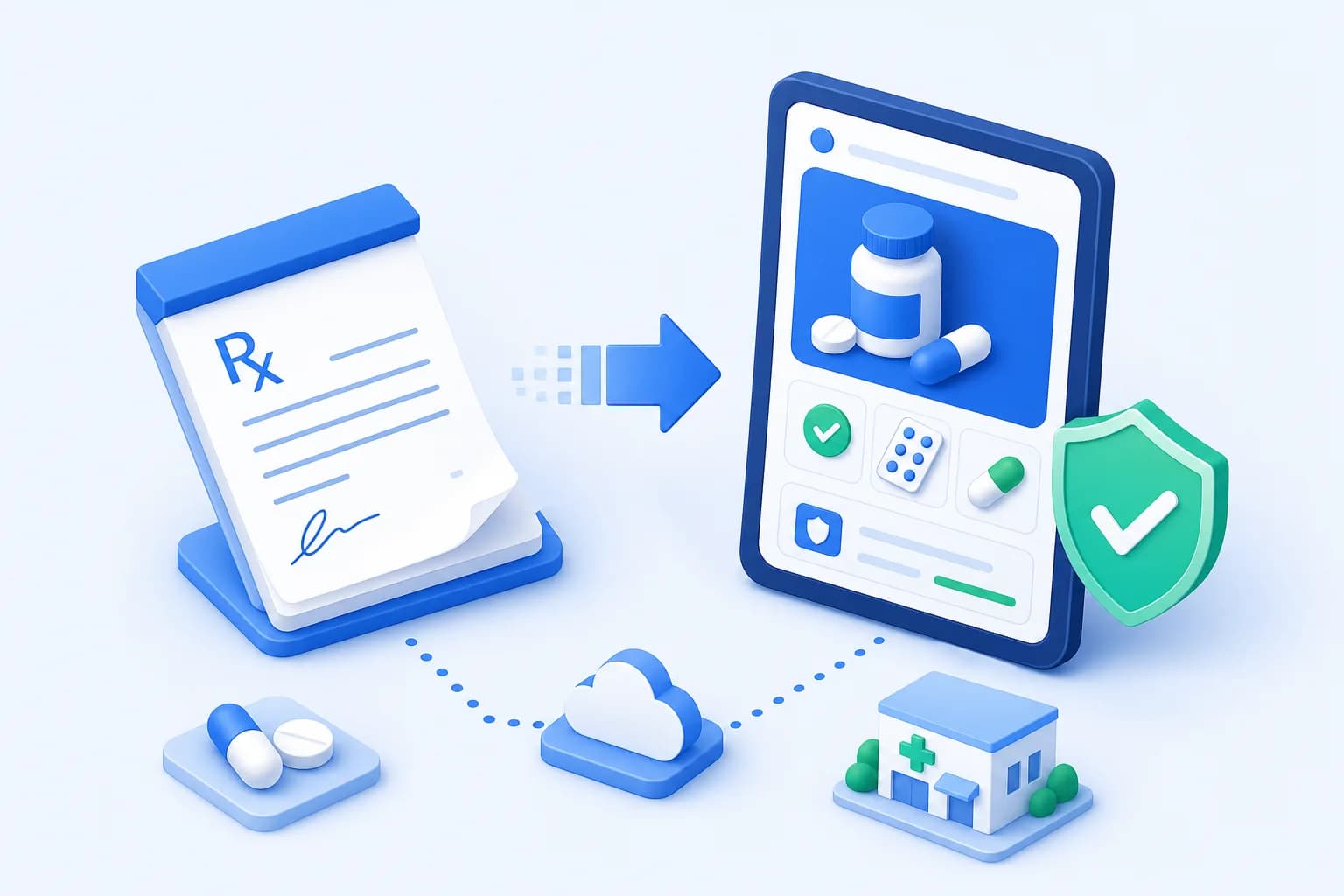
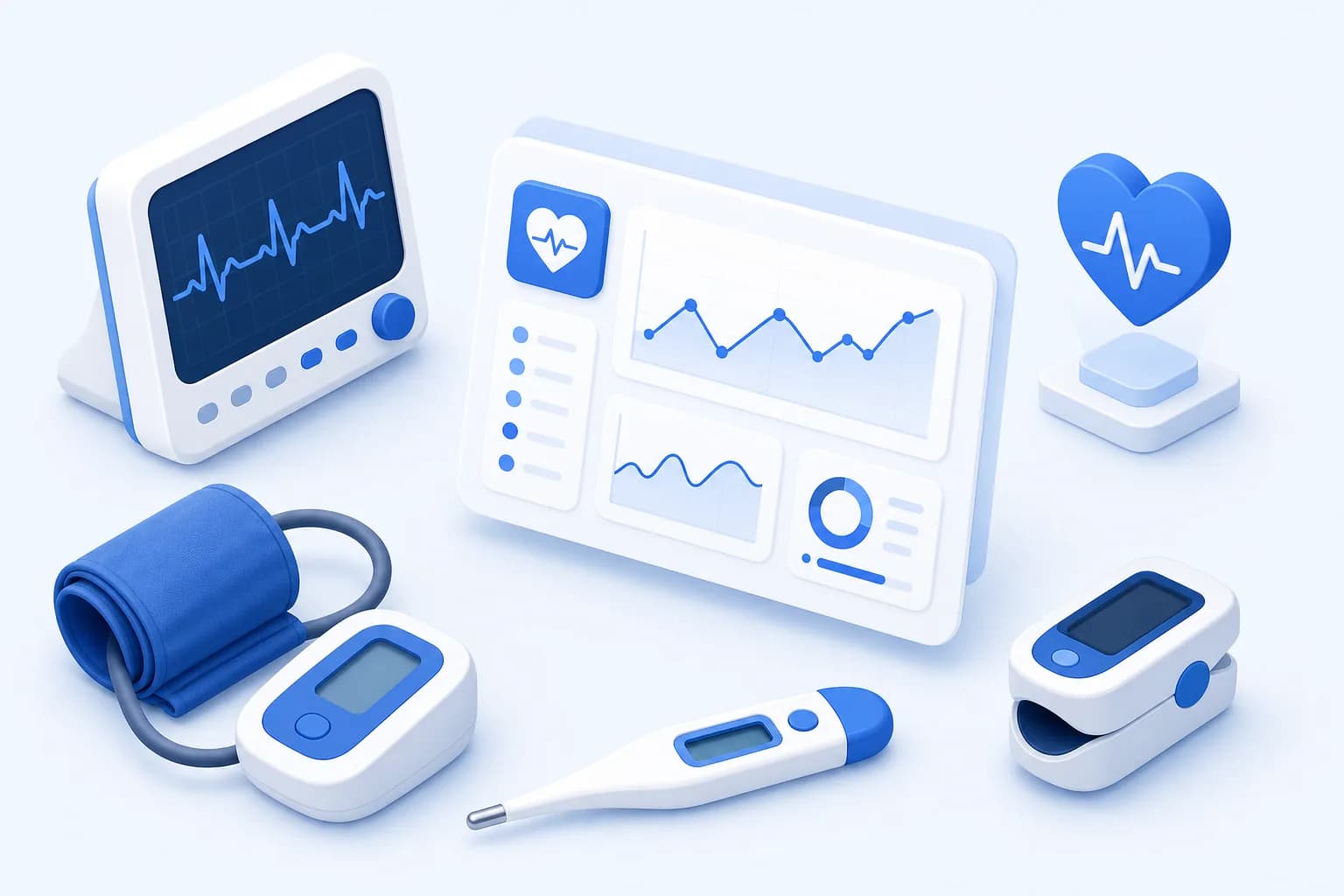
The hospital that still runs on paper is competing with a handicap
Patients compare you to the last seamless experience they had — a bank app, a travel booking, another hospital’s digital reports. They do not care that healthcare is complex. They care that your team asked the same allergy question three times and still lost a file.
An EHR is critical because modern hospital success is judged on coordination. Safety, speed, billing accuracy, and patient trust all depend on one shared clinical story. Paper cannot keep that story consistent across shifts, specialties, and branches.
This is not about looking futuristic. It is about remaining credible.
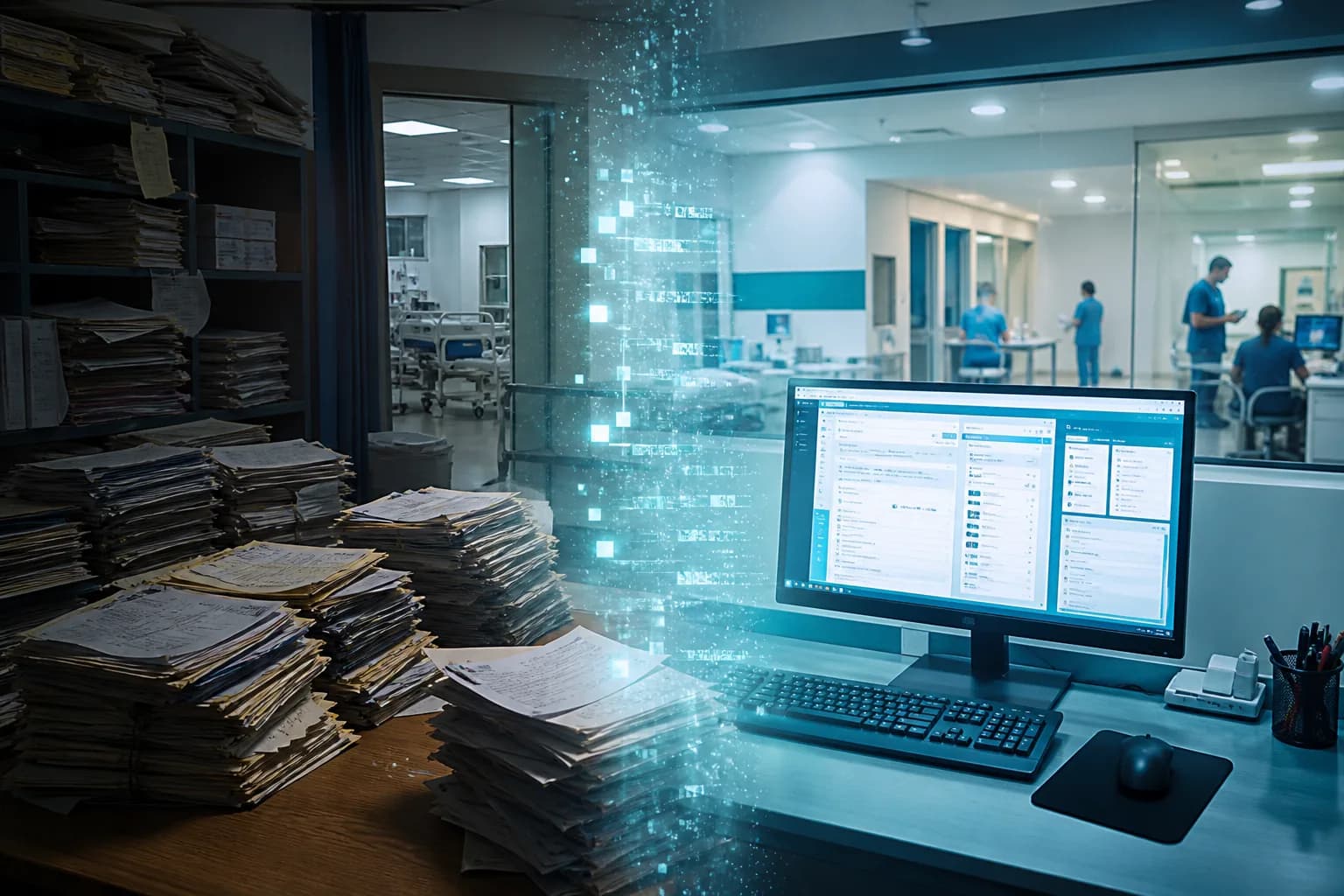
Patient safety needs a record that cannot hide in a cupboard
Allergy alerts, drug interactions, incomplete reconciliations, and delayed critical results are harder to catch when information is scattered. An EHR puts the dangerous facts where the next decision happens.
Hospitals that treat documentation as clerical work discover, too late, that documentation is a safety system. The EHR is how you make that system available at 2 a.m., not only when the file room is open.
If your brand promise includes “quality care,” your record system is part of that promise.
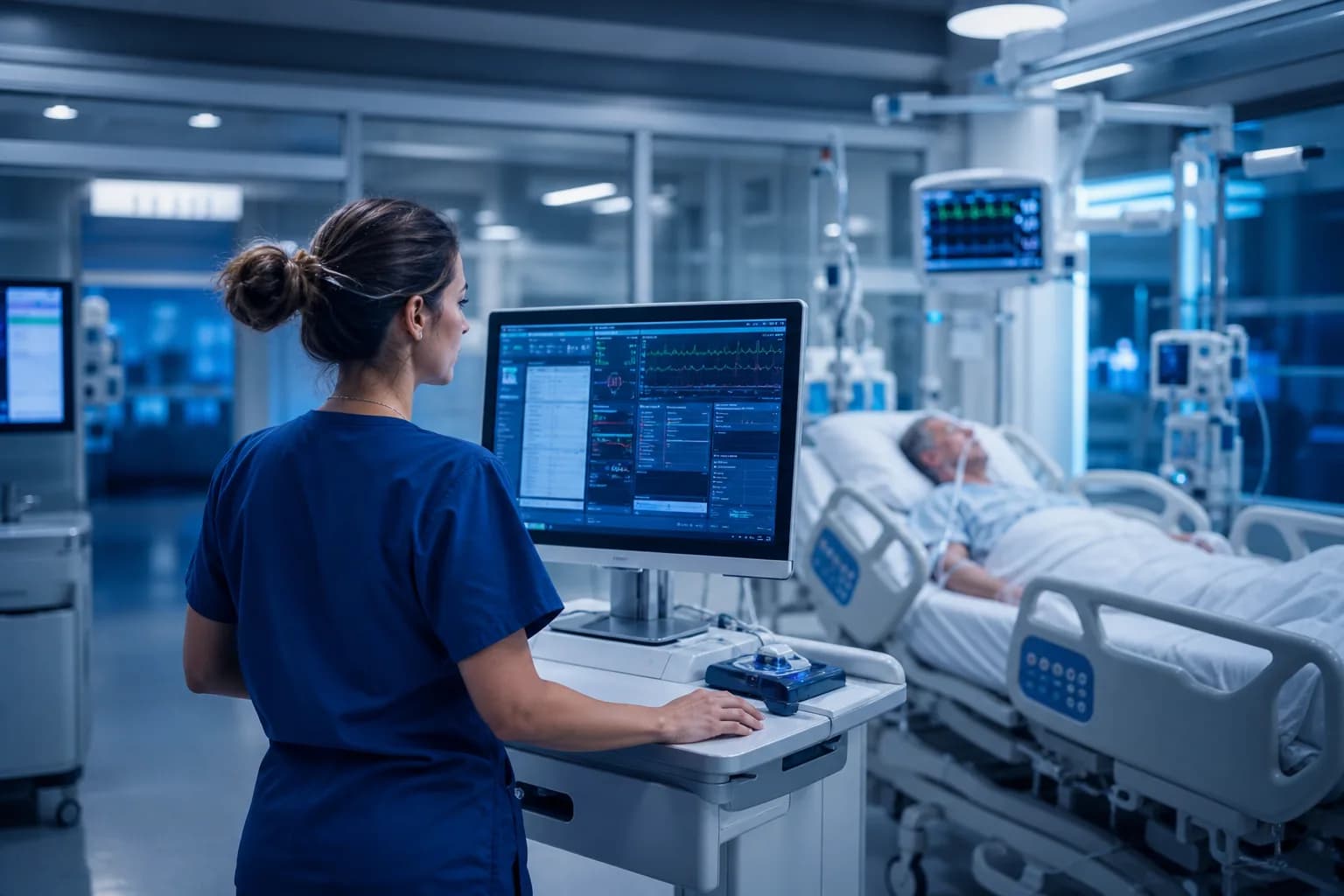
Safety moments that demand a digital record
- Medication orders with allergy and interaction checks
- Handoffs between night and day teams
- Critical lab alerts reaching the right clinician
- Surgery checklists tied to the patient’s identity
- Discharge medicines matching the inpatient plan
Trust is built in the details patients can see
A modern patient notices whether reports are available promptly, whether the bill matches the care, and whether the doctor seems briefed. Those moments are EHR moments.
When history is incomplete, clinicians sound unsure. When billing is disconnected, families feel overcharged even when prices are fair. When reports are delayed, anxiety fills the gap.
An EHR protects reputation by reducing avoidable friction. In healthcare, friction feels like neglect.
Compliance and audits are no longer a filing-cabinet sport
Accreditation, insurance audits, medico-legal requests, and privacy expectations all assume you can retrieve accurate records quickly. Digging through shelves is not a strategy; it is a liability.
A well-governed EHR creates audit trails, access controls, and consistent templates. That does not replace clinical judgment — it proves the hospital can account for what happened.
Regulators and payers are not slowing down. Hospitals still running primarily on paper will spend more time explaining gaps than improving care.

Your people are already overloaded — paper multiplies the load
Nursing and medical teams do not need another motivational poster. They need fewer repeated tasks. Rewriting the same demographics, hunting for last-visit notes, and phoning for results are talent killers.
An EHR is critical for workforce stability because it removes busywork that never should have been human work. Tools like HealUDoc earn their place when they give time back to bedside care and clear decisions.
Hospitals that ignore this lose good staff to places where the system respects their time.

“We did not digitize to impress visitors. We digitized because paper was becoming a clinical risk and a staff retention risk at the same time.”
Success today means ready for the next patient — and the next year
Telehealth, home care, multi-branch expansion, analytics, and AI documentation all assume a structured digital record. Without an EHR, every new initiative becomes a new island.
That is why an EHR is not a side project for the IT team. It is the foundation under clinical quality, operations, finance, and growth. Modern hospital success is increasingly impossible without it — not because software is trendy, but because care has become too interconnected for paper to carry.