Managing a hospital is not one job — it is a live system
If you run a hospital, your morning can include a bed crisis, a delayed OT list, a pharmacy stock alert, a consultant who is running late, and a billing dispute — before tea. Paper files and chat groups can report pieces of that story. They cannot show you the whole hospital at once.
EHR software becomes a management instrument when clinical documentation, bed status, orders, pharmacy, lab, and billing sit on one timeline. You stop managing rumors and start managing reality.
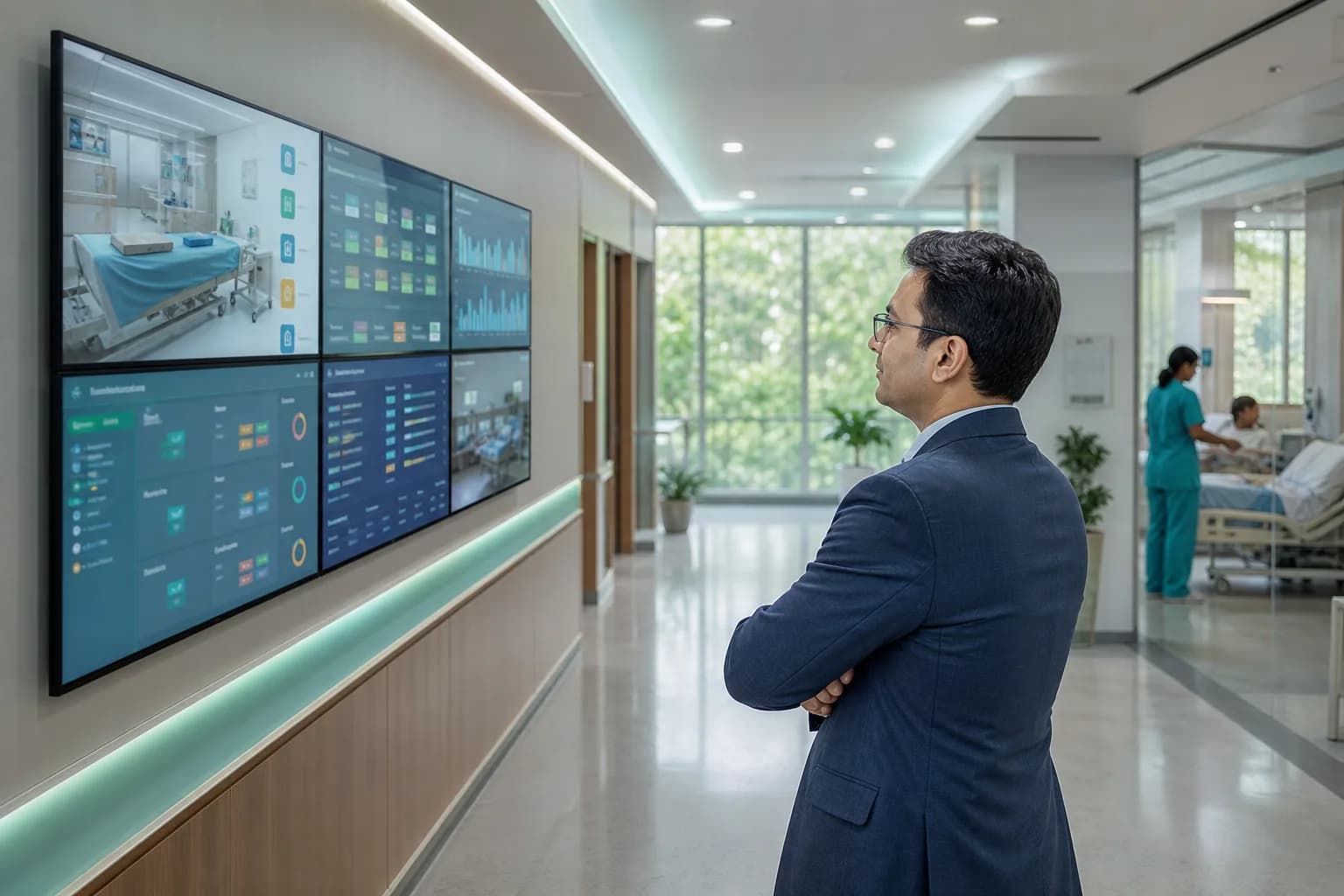
This guide is for owners, medical directors, and operations heads who want the EHR to feel like a control room, not another login.
Start every day with five operational questions
Great hospital managers do not open twenty reports. They open one view that answers: How full are we? Where are the queues? Which discharges are stuck? What is pending in lab or pharmacy? Where are today’s exceptions?
An EHR can surface those answers if you configure role-based dashboards instead of dumping every metric on every user. Floor nurses need ward worklists. Billing needs incomplete charges. The medical director needs safety and delay signals. The owner needs trend and cash-flow clarity.
When everyone opens the same source of truth, morning rounds become decisions instead of detective work.

A simple morning management checklist
- Bed occupancy by ward and expected discharges
- OPD appointments vs arrivals and no-shows
- Pending critical lab and radiology results
- Pharmacy stockouts affecting active orders
- Open incidents, complaints, and claim holds
Use the EHR to run handoffs, not hallway conversations
Shift change is where hospitals either protect patients or quietly lose information. Verbal handovers without a shared record invite missed medicines, incomplete plans, and “I thought someone else told them.”
Build handoff around the EHR: active problems, pending orders, pending results, allergies, and the plan for the next twelve hours. Train teams to trust the documented plan and to update it when reality changes.
Managers should audit handoff quality the way they audit attendance. If the record is weak at change of shift, every other KPI will wobble.

Connect clinical work to money and materials — on purpose
Hospital management fails when clinical care, inventory, and billing live in separate worlds. A procedure happens, stock moves, and the bill somehow forgets a consumable. Or billing is perfect while the clinical note is incomplete for insurance.
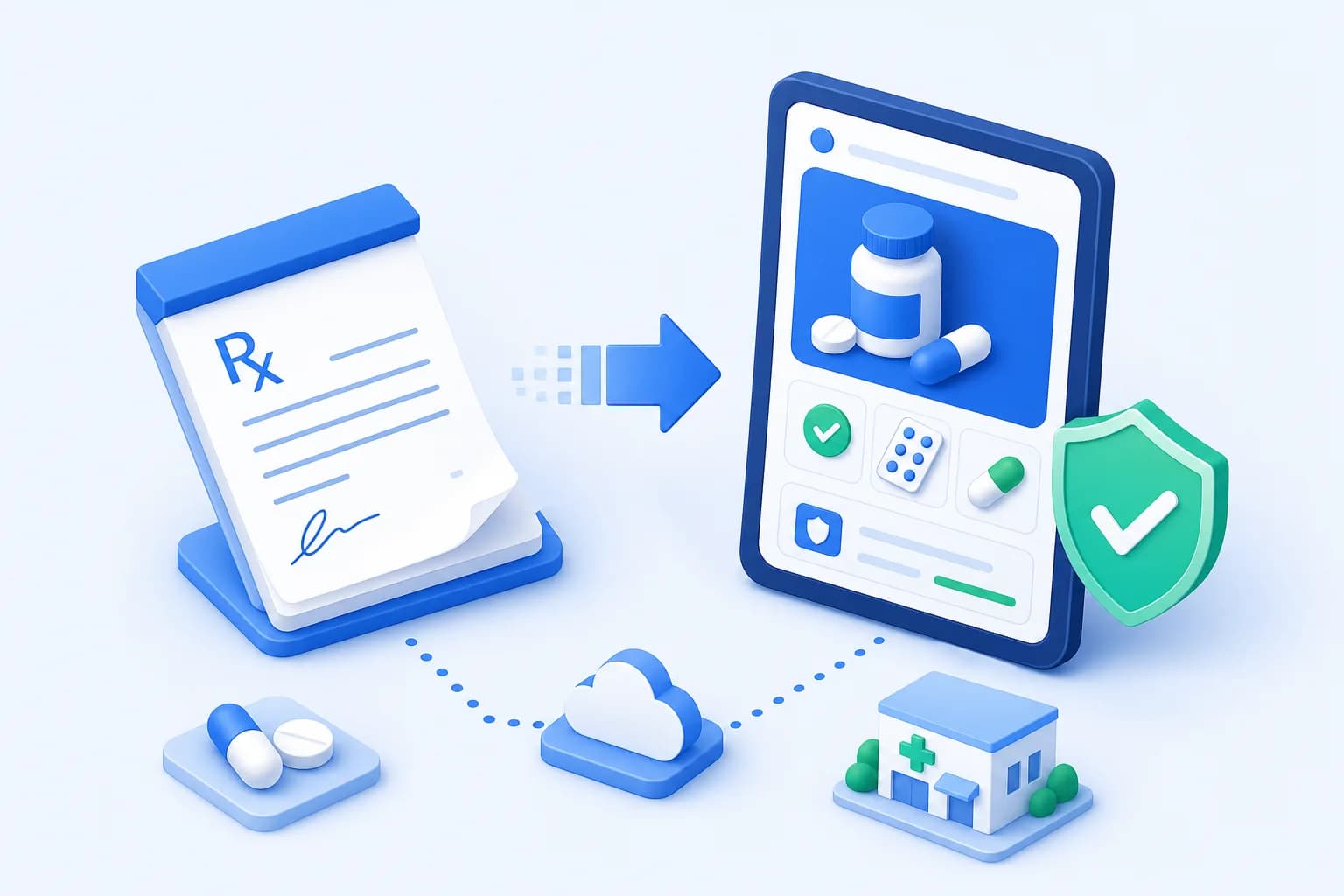
A modern EHR links the order to the clinical note, the pharmacy issue, and the charge. That link is how you manage leakage without turning clinicians into cashiers. HealUDoc-style workflows keep those connections visible so managers can coach processes instead of blaming people after month-end.
If your team still reconciles “what was done” from memory, you are managing with hope.

Management leaks an EHR should close
- Unordered or unbilled consumables
- Duplicate patient registrations
- Discharge delays waiting on reports or summaries
- Stockouts discovered only at the bedside
- Insurance queries caused by incomplete notes
Manage people with workload truth, not averages
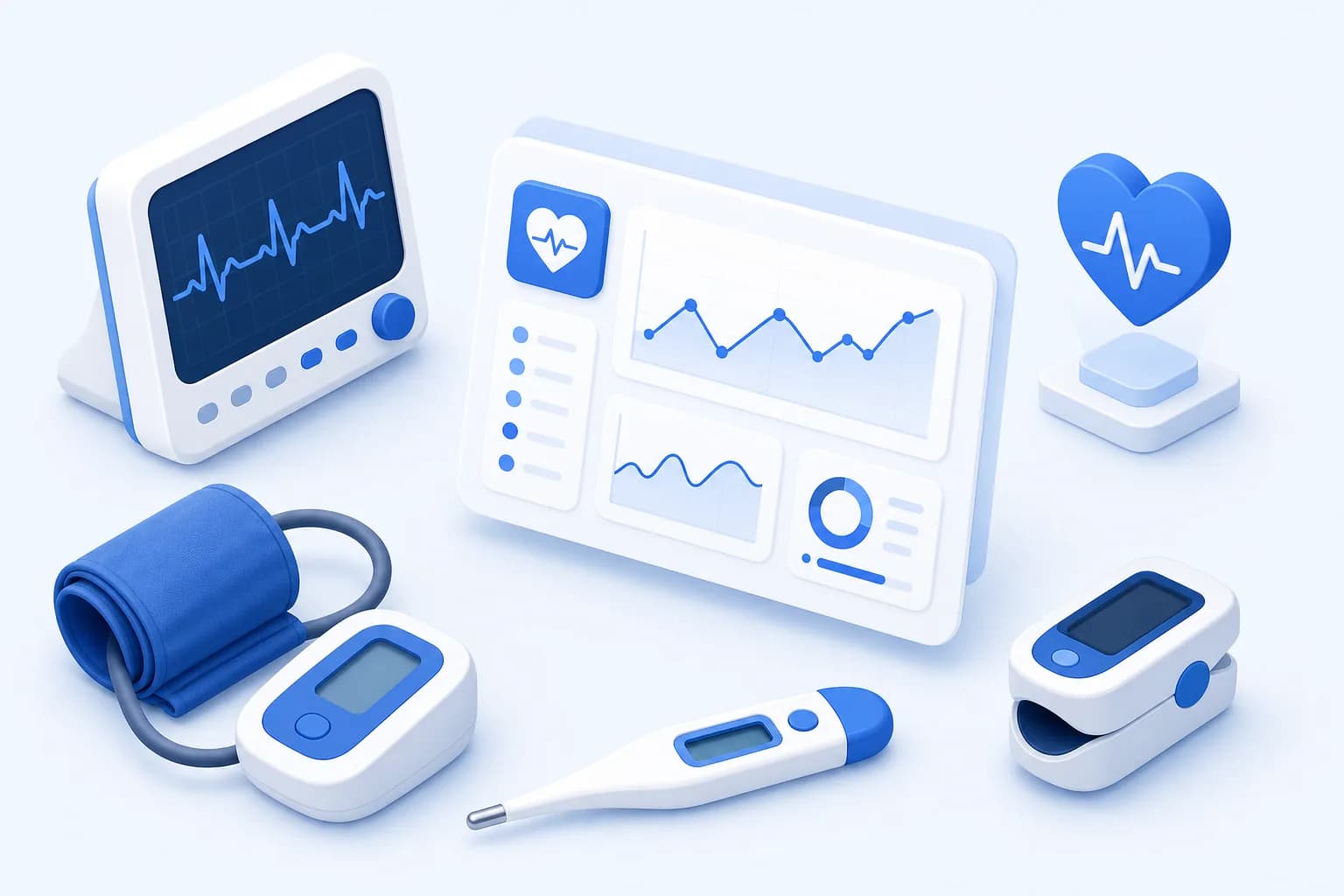
Staffing fights often happen because leaders argue from averages while floors feel peaks. EHR activity — admissions, orders, medication rounds, documentation load — shows where pressure actually sits by hour and by ward.
Use that to schedule smarter, justify hiring, and redesign tasks that waste clinical time. Management credibility rises when staffing conversations reference real workload instead of last month’s vibes.
Your EHR will not replace leadership. It will make leadership harder to ignore with incomplete information.

Make the EHR your weekly management rhythm
Pick a weekly operating review: access, throughput, quality flags, revenue integrity, and patient feedback — all pulled from the same system. Assign owners. Close loops. Celebrate fixes that stick.
Hospitals that “have an EHR” but still manage through WhatsApp screenshots have bought software without buying a management method. The method is what changes culture.
Manage your hospital with EHR software by treating every major decision — beds, staffing, purchases, specialty growth — as a question the record should help answer. That is how digital hospitals feel calm on busy days.

“The day we stopped managing from chat forwards and started managing from the live record, our meetings got shorter and our fixes got real.”