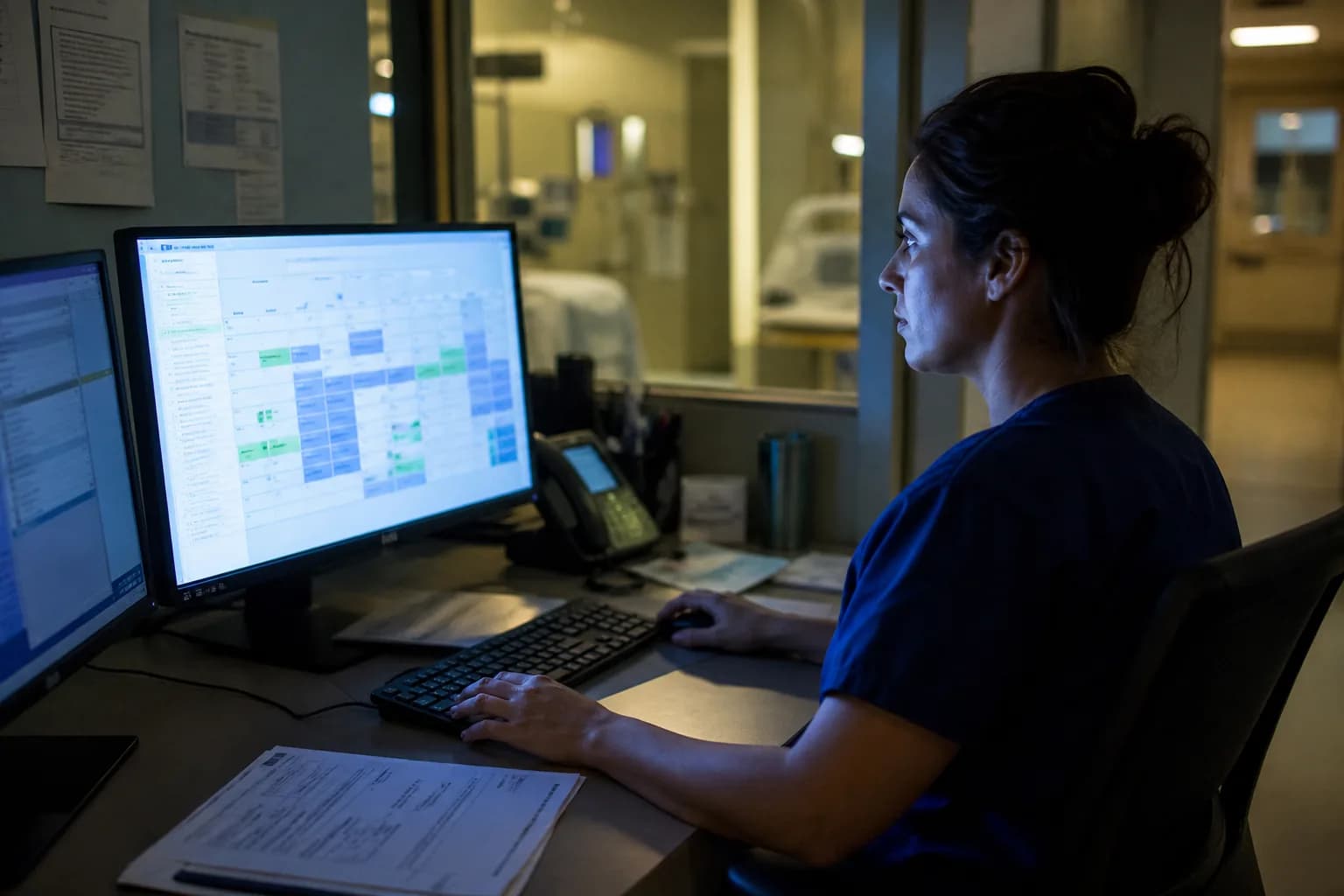
Documentation is becoming a measurable care process
Hospitals increasingly evaluate notes for more than completion and billing compliance. Useful documentation must communicate clinical reasoning, uncertainty, and the plan to the professionals who act next. This shift makes note quality a patient-safety concern shared by clinical and information-management teams.
Modern EHRs can measure timeliness, copied text, unresolved placeholders, and required-field completion. These signals are helpful only when interpreted in clinical context because a longer note is not necessarily a better note. Programs should combine analytics with peer review to identify patterns without reducing professional judgment to a score.

Structured content is moving closer to decisions
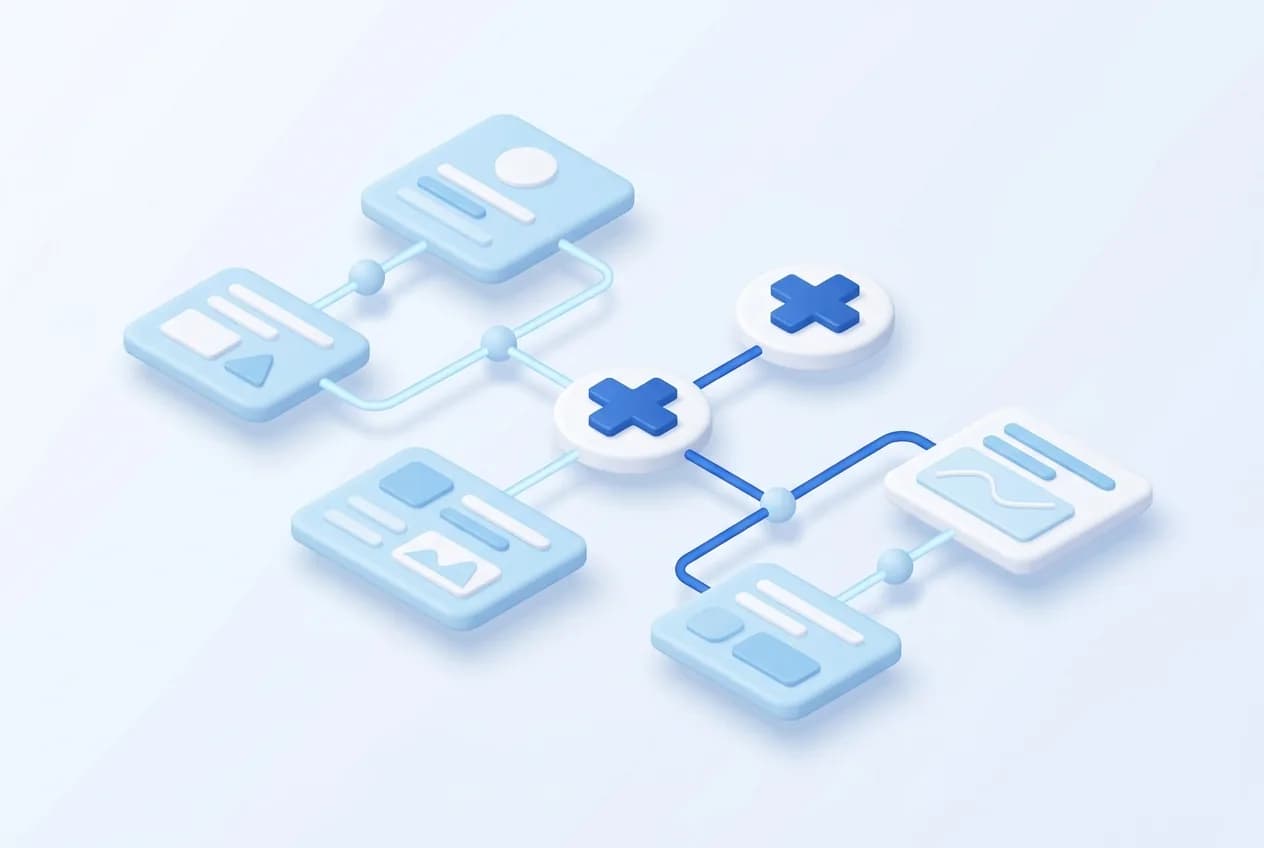
Structured fields work best for information that drives another action, such as diagnoses, allergies, vital signs, or medication orders. Capturing those facts consistently supports decision support, reporting, and safer transitions between OPD and IPD. Narrative remains essential for the patient's story, differential diagnosis, and rationale.
The emerging pattern is a deliberate hybrid rather than fully structured notes. HealUDoc can connect coded clinical elements with flexible narrative templates so laboratory, pharmacy, and billing workflows receive dependable data. Template owners should remove fields that collect information no downstream user or rule actually needs.
Good candidates for structured capture
- Allergies and reaction severity
- Problem and diagnosis codes
- Medication dose and route
- Vital signs and observations
- Follow-up date and disposition
Ambient assistance requires accountable review
Speech recognition and ambient documentation can reduce keyboard burden, but generated text remains a draft. Clinicians must verify symptoms, negations, medication details, and the assessment before signing. Hospitals also need clear rules for consent, audio handling, retention, and vendor access to protected data.
The most useful deployments monitor correction patterns and time saved rather than celebrating raw generation volume. High correction rates in a specialty may indicate vocabulary, microphone, or workflow problems. Keeping a visible audit trail preserves authorship and helps reviewers understand what the clinician accepted or changed.
Copy-forward controls are becoming more precise
Copy-forward can preserve continuity, yet unchecked reuse hides changed findings and produces notes nobody can efficiently read. Blanket prohibition often drives clinicians toward other shortcuts and loses useful context. Better controls identify imported text, require review of time-sensitive elements, and highlight information that conflicts with current data.
Quality teams should examine repeated passages by note type and service line. The aim is to find templates or workflows that make duplication rational, then redesign them. Education should teach clinicians to carry forward stable history while rewriting the assessment and plan around today's evidence.

Signals of documentation risk
- Outdated examination findings
- Conflicting medication lists
- Unresolved template placeholders
- Identical plans across visits
- Excessive note completion delay
Quality analytics are becoming role-aware
A surgeon, ward nurse, and laboratory specialist document for different clinical purposes, so one metric set cannot judge all roles fairly. Role-aware dashboards compare like work and surface exceptions that matter to each team. They also prevent a hospital from optimizing physician notes while ignoring nursing observations or result communication.
Access controls should support review without exposing records beyond legitimate quality duties. Multi-branch organizations need consistent definitions and branch-level filters so leaders can identify variation responsibly. Aggregate trends should guide coaching, while patient-level review remains limited to authorized reviewers.

The next advantage is trustworthy brevity
The industry is moving from documenting more to communicating better. Concise notes can be safer when they clearly separate history, findings, assessment, and actions. Leaders should reward relevance and timely completion instead of page count or template saturation.
A mature documentation strategy treats technology as support for clinical thinking, not a substitute for it. Review committees should regularly retire low-value content and test whether the next clinician can find critical facts quickly. That discipline creates a record patients and professionals can trust.
“A high-quality note is not the longest account of the encounter; it is the clearest handoff of what we know, what we decided, and what happens next.”