
The starting problem at Lakeside Hospital
Lakeside Hospital used paper requests, phone confirmation, and a separate blood bank application across two branches. Missing indications and specimen timestamps caused repeated calls, while ward staff lacked a reliable view of request status. Emergency requests were often labeled urgent without a shared priority definition.
A three-month baseline found that delays clustered around incomplete requests, specimen mismatch, and uncertainty about collection. The team measured request-to-acceptance and acceptance-to-issue separately so one long interval did not conceal different causes. Near misses were reviewed alongside turnaround time to keep safety central.
Mapping the real workflow
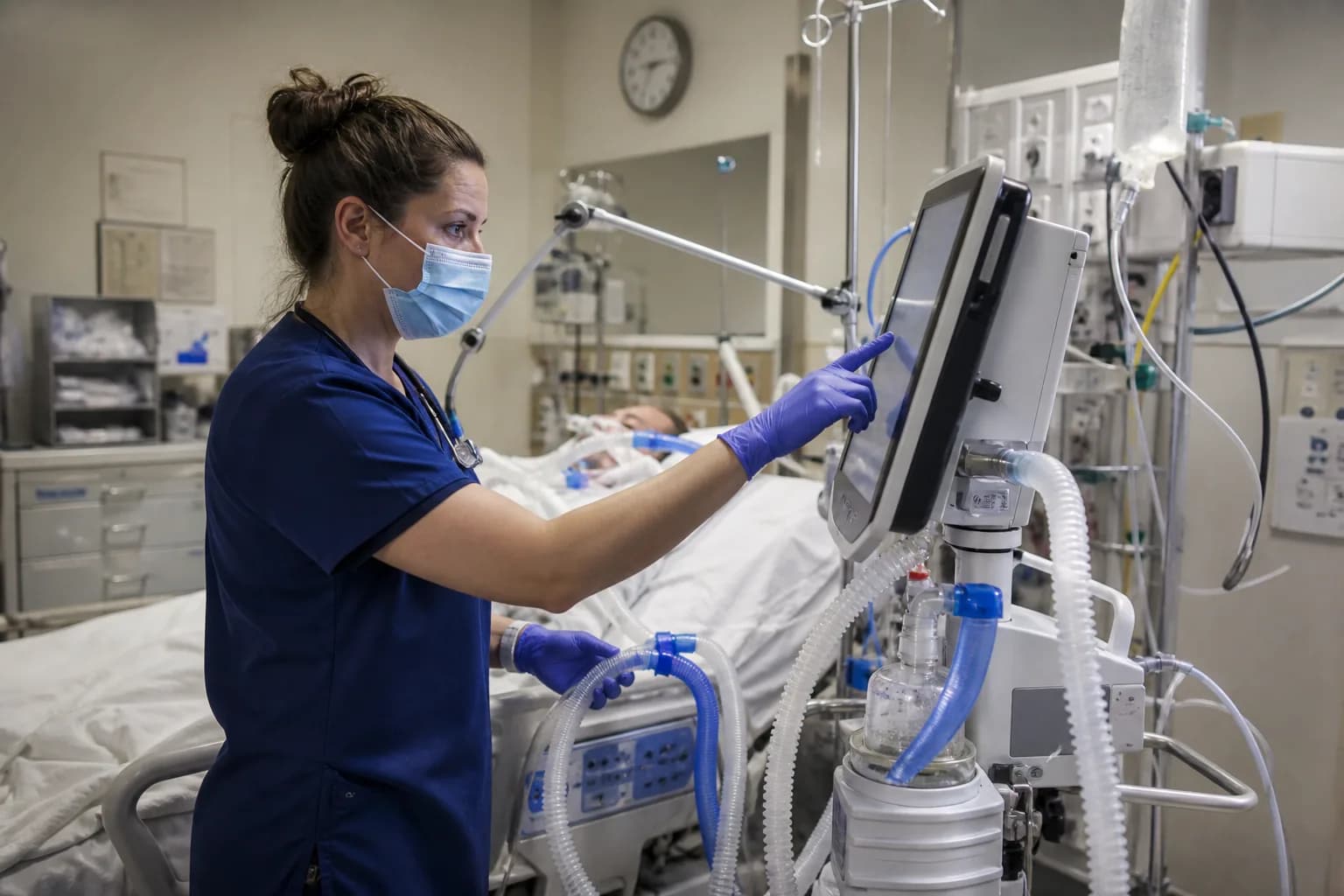
The improvement team observed clinicians, nurses, phlebotomists, porters, and blood bank staff on every shift. They discovered duplicate demographic entry, informal messaging, and different branch rules that policies did not describe. A shared map marked decisions, handoffs, waiting states, and failure recovery.
Clinical leaders then defined routine, urgent, and emergency pathways with expected response times. Mandatory fields varied by pathway so life-saving emergency release was not blocked by routine documentation. The group also agreed who could request, approve, collect, issue, and cancel each product.

Problems found during observation
- Duplicate patient entry
- Unclear urgency labels
- Untracked specimen transport
- Phone-only status updates
- Inconsistent cancellation handling
Building a closed-loop request
The redesigned request pulled identity, location, diagnosis, allergies, and relevant results from the EHR. Clinicians selected indication, component, quantity, timing, and special requirements, while decision support highlighted missing prerequisites. HealUDoc's role-based controls separated ordering authority from blood bank release.
Each status change had an owner and timestamp: submitted, accepted, specimen required, testing, ready, issued, administered, returned, or cancelled. Ward teams saw operational status without gaining access to confidential donor data. Automated notifications replaced routine calls while preserving a direct emergency channel.

Strengthening bedside verification
The hospital treated administration as part of the same workflow rather than the endpoint of blood bank issue. Staff scanned the patient band and component, confirmed required observations, and documented the administering clinicians. A mismatch stopped electronic completion and required resolution under policy.
The workflow prompted baseline, interval, and post-transfusion observations according to component and local protocol. Suspected reactions opened a structured response with stop-transfusion guidance, notifications, samples, and product return steps. This connected bedside events to hemovigilance review.
Bedside verification controls
- Two-identifier patient match
- Component and compatibility check
- Expiry and integrity confirmation
- Baseline observations
- Reaction escalation pathway
Piloting and measuring the result
Lakeside piloted on one medical ward and the emergency department before expanding to both branches. Super-users supported each shift, and daily huddles classified defects as policy, training, interface, or usability issues. The team changed confusing labels quickly but required governance approval for clinical rules.
After twelve weeks, incomplete requests declined and median routine turnaround improved, while emergency-release documentation became more consistent. The team also tracked mismatch stops and reaction reporting, which initially rose because detection improved. Leaders communicated that reporting growth can indicate a healthier safety culture.

“We stopped asking where the blood was and started seeing exactly which safe step came next.”
Lessons for other hospitals
The largest gains came from explicit ownership and shared status definitions, not from digitizing the old form. Hospitals should baseline both delay and safety measures, then pilot where clinical leadership is strong. Workflow technology cannot resolve contradictory policies until stakeholders make a decision.
Multi-branch deployment needs common core controls with documented local differences for transport and service availability. Training should use realistic exceptions such as unidentified patients, massive transfusion, cancelled surgery, and network downtime. Sustained improvement depends on monthly review of outliers and frontline feedback.