Start with the constraint, not the module list
A forty-bed hospital with six ICU beds and a small dialysis unit faces different constraints from a teaching hospital, and copying a large-hospital implementation plan produces an expensive system nobody uses. Identify the single operational constraint causing the most disruption, which is usually either bed visibility during emergency admissions or blood availability outside routine hours, and address that first. Everything else can reasonably wait a quarter.
Resist the module checklist. Vendors and internal committees both favour breadth, but a small hospital's implementation capacity is measured in the attention of two or three senior staff who already hold clinical jobs. Configuring HealUDoc's triage and ICU bed views properly is worth more than configuring six modules adequately. Sequence the remainder against a written statement of what problem each phase solves and who will confirm it was solved.
Phase one: make capacity visible
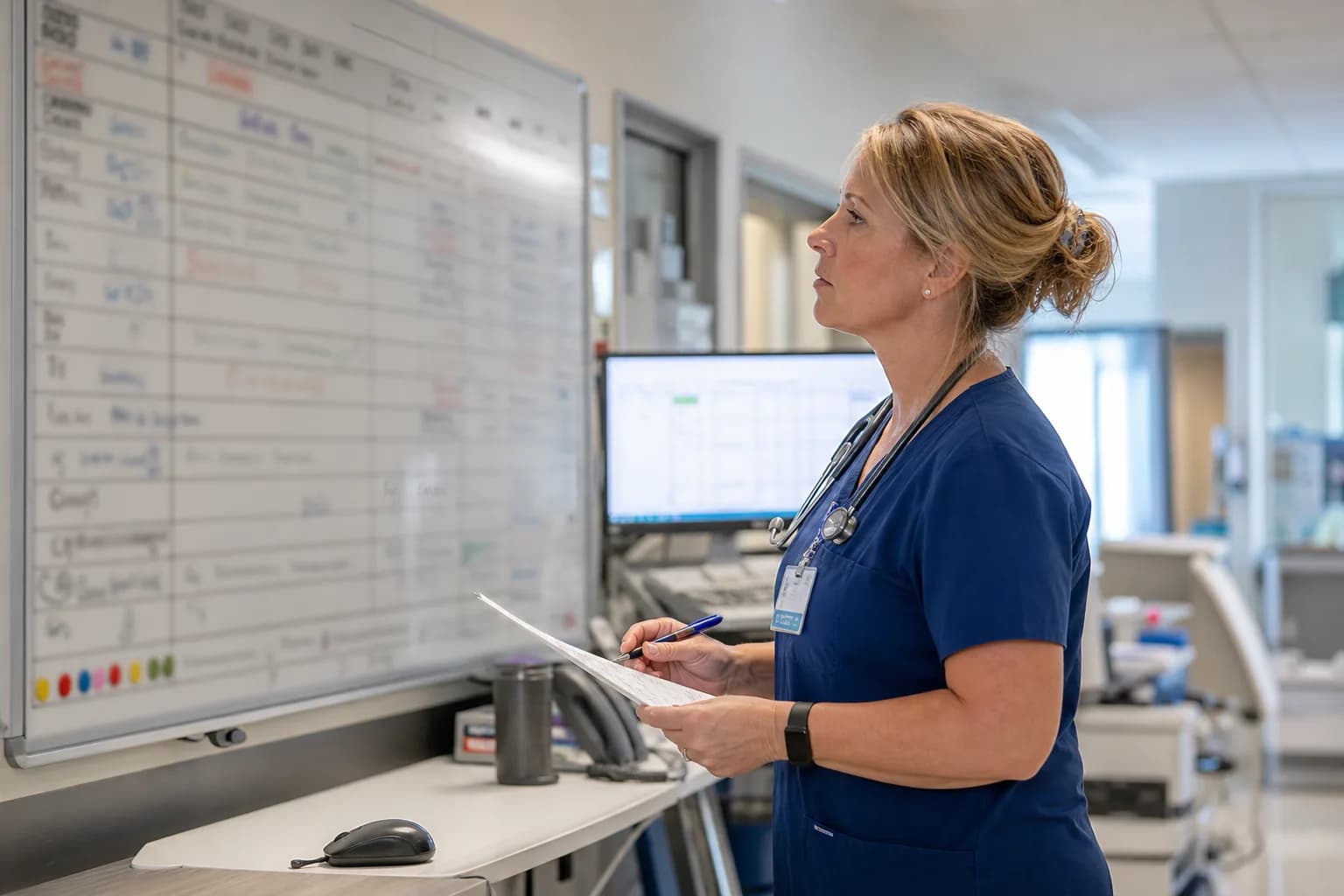
Capacity visibility is the right first phase because it requires no device integration and delivers value immediately. The night administrator answering a transfer request should see from a single view which ICU beds are physically free, which are staffed, which are held for a post-operative admission, and which are unusable pending cleaning or isolation. Most small hospitals currently run this on a whiteboard and a telephone.
Define the bed states before configuring them, and keep the list short enough that staff update it reliably. HealUDoc's ICU bed monitoring supports these distinctions, but the value comes from the discipline of updating state at the moment it changes rather than at the end of a shift. Agree who owns each transition: housekeeping for cleaning, the charge nurse for staffing, the bed coordinator for reservations.
Phase one deliverables
- Agreed bed state definitions
- Named owner for each state transition
- Single capacity view accessible to night staff
- Emergency-to-ICU admission request path
- Daily reconciliation against the physical count
Phase two: close the loop on blood and specimens
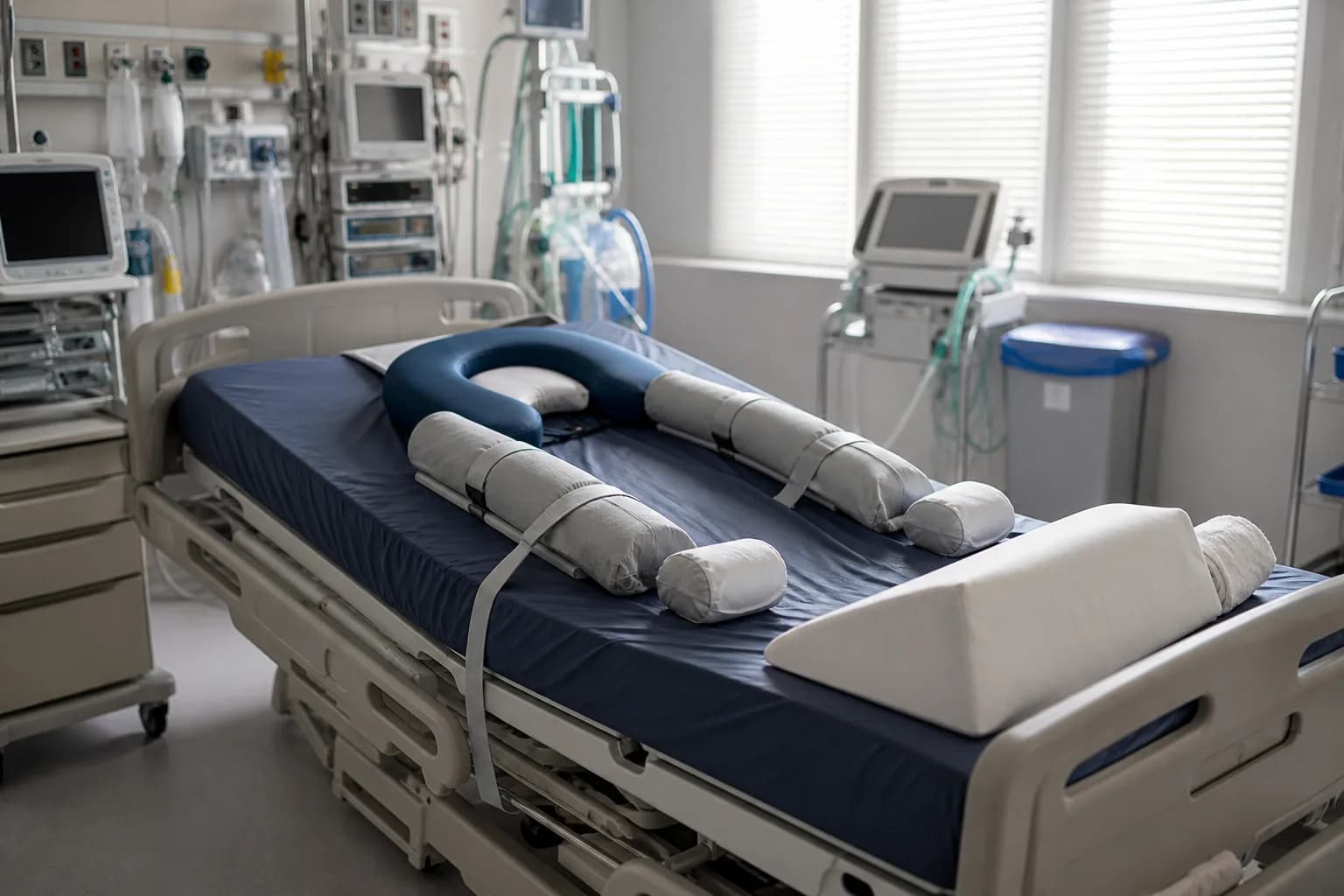
The second phase should close the loop between the ward and the blood bank, because this is where small hospitals carry the most risk with the fewest people. A single technologist covering nights cannot also answer repeated telephone enquiries about whether a crossmatch is ready. Visible request status removes most of those calls without removing the direct emergency channel, which should always remain available and separately documented.
Implement request, acceptance, specimen, testing, ready, issued, and administered as one tracked sequence in HealUDoc rather than as separate records. Bedside verification can follow a few weeks later once the request workflow is stable, since attempting both at once overloads ward training. Keep parallel paper running in the blood bank through the first fortnight, because traceability is the one thing that cannot be reconstructed afterwards.
Phase three: scheduled critical care and dialysis
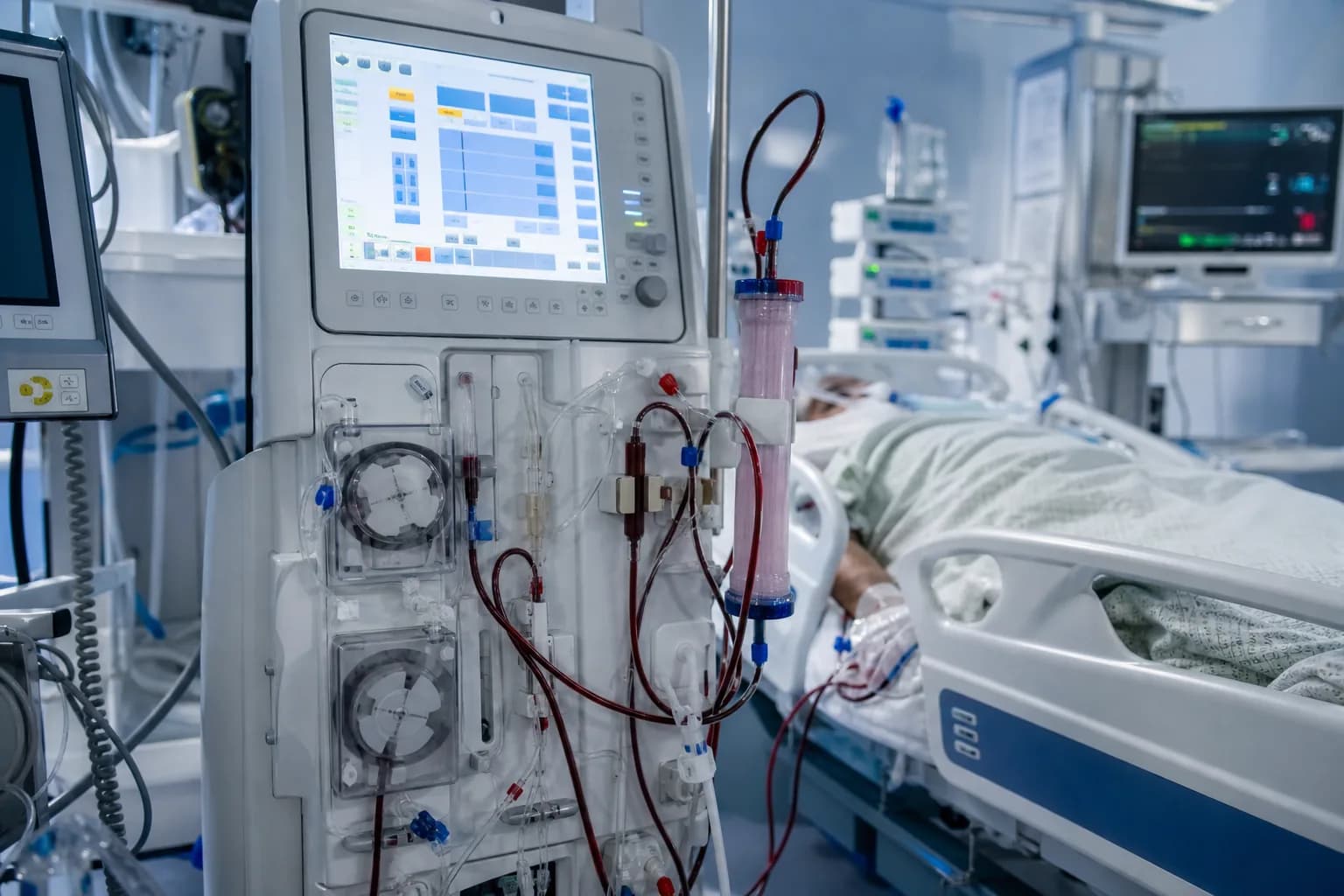
Dialysis and other scheduled critical-care services come next because they are predictable and therefore forgiving to automate. The scheduling problem in a six-station unit is not complexity but readiness: prescriptions awaiting review, patients whose isolation status changed, machines due for service. A slot that appears free may not be usable, and the schedule should show that before the patient arrives rather than after.
Configure HealUDoc's dialysis scheduling to surface readiness alongside availability, and build a short waiting list so late cancellations can be refilled from patients able to attend at short notice. Small units gain more from this than large ones, because a single lost session is a larger share of weekly capacity. Record cancellation reasons from the first week, since the pattern will inform the following quarter's staffing discussion.
Readiness signals to surface on the schedule
- Current prescription reviewed and authorized
- Isolation or infection status change
- Machine service and availability status
- Outstanding investigations or consent
- Transport confirmation for dependent patients
Adding branches without fragmenting the configuration
Growth to a second or third site is where most mid-size groups lose control of their configuration. Each new branch requests a small variation, every request seems reasonable in isolation, and within two years no two sites can share a report or a trained member of staff. Decide early which elements are group-standard and which may vary: acuity definitions and bed states standard, transport arrangements and service hours local.
Maintain a written variation register recording the requester, the reason, and an approver. Where HealUDoc is configured across branches, keep one core configuration and treat each documented exception as something to revisit annually rather than a permanent entitlement. Staff who rotate between sites should not need retraining on the same workflow, and that is the practical test of whether standardization has actually held.
Staffing the operation you have built
The system you have built needs people to run it, and smaller hospitals routinely omit this from the plan. At minimum, someone must own configuration changes, someone must review the activity logs, and someone must train new rotating staff. In a mid-size hospital this is rarely a full role. It is a defined portion of an existing one, protected in the roster and explicitly covered during leave.
Build a small super-user group spanning the emergency department, ICU, blood bank, and dialysis unit, and meet monthly with a fixed agenda: overrides, emergency-route usage, unacknowledged alerts, and open change requests. HealUDoc's dashboards and activity logs supply most of that agenda without a special report. When the group stops meeting, the workflow starts drifting, because the meeting is the maintenance.
“We under-scoped the technology and over-scoped the people, and that turned out to be the right way round.”