The international patient workflow, end to end
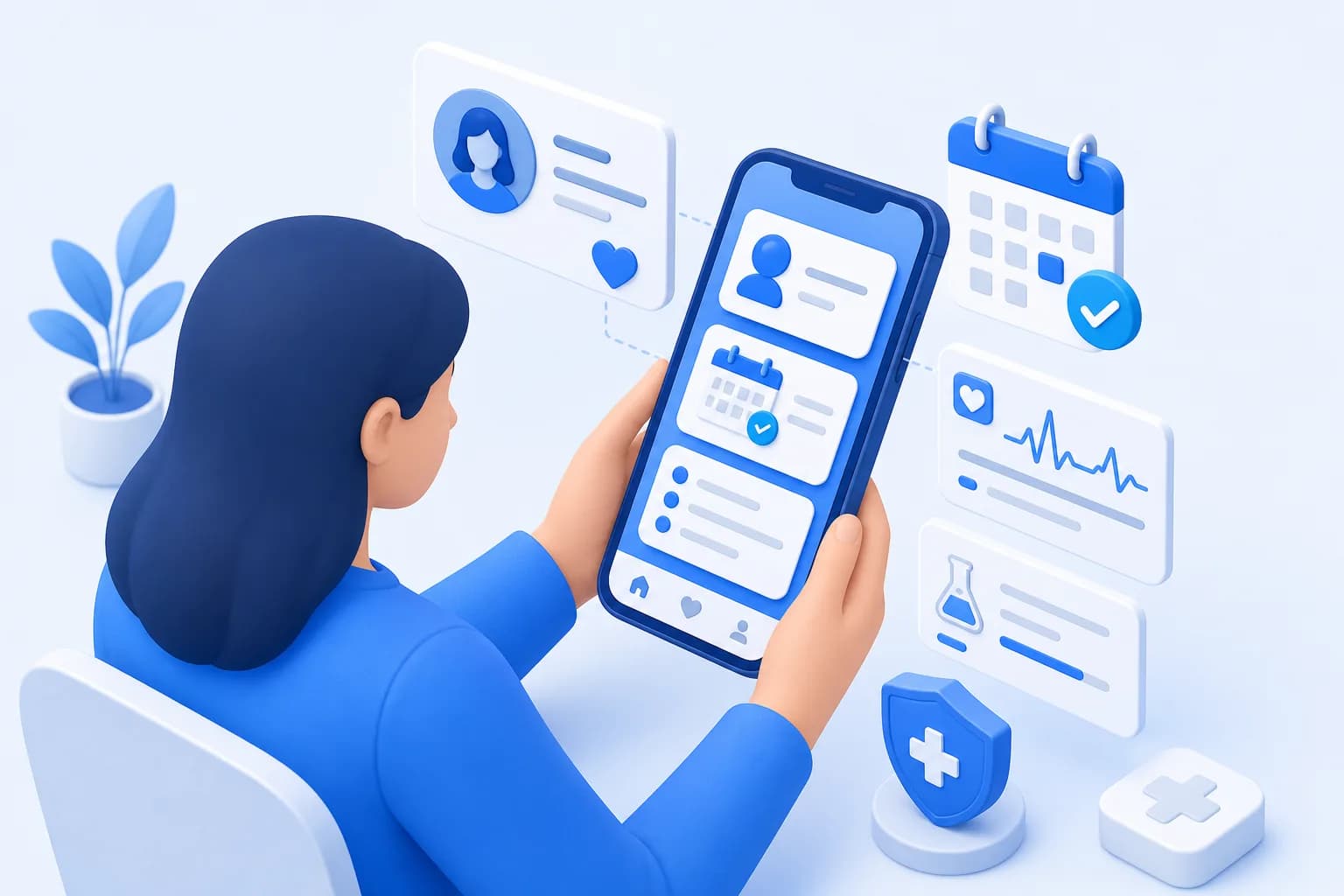
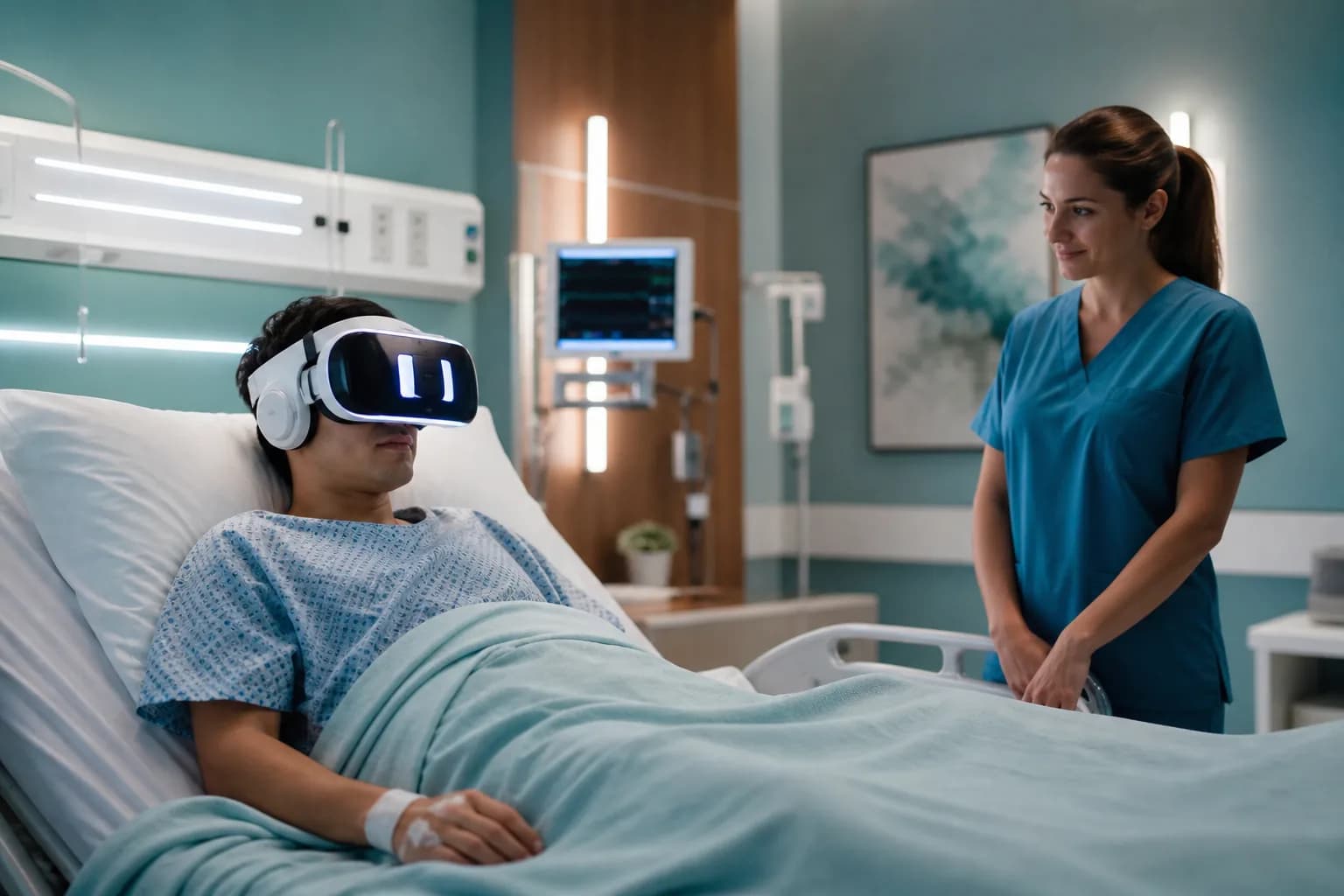
An international patient and medical tourism workflow is a single chain that runs from an enquiry email to a follow-up consultation months after the patient has flown home. The stages are enquiry and clinical assessment, estimate, visa documentation, travel and arrival, admission and treatment, discharge with a portable record, and post-discharge follow-up in another country. A hospital that treats these as separate desks will drop the patient at every handover.
The distinguishing feature of medical value travel is that the patient is committing to travel, expense and separation from their support network on the basis of documents alone. They cannot walk in for a second opinion. Everything therefore depends on the quality, speed and consistency of written communication before arrival.
This is why the international patient department is an operational function rather than a marketing one. Its core work is coordination across clinical, finance, visa documentation and logistics, and it needs authority in each.
Enquiry to estimate: the first forty-eight hours
Response time is the competitive variable. Prospective patients enquire with several hospitals across several countries simultaneously, and the one that returns a considered clinical opinion and a credible estimate first frequently wins, independent of relative clinical strength. A structured intake that captures the reports needed to give an opinion — rather than a generic reply asking for more information — compresses the cycle substantially.
The clinical opinion must come from a clinician who will actually treat the patient, and it must be honest about what cannot be determined remotely. An opinion that overpromises based on incomplete imaging creates a patient who arrives with expectations the treating team cannot meet, which is the most common source of serious dissatisfaction in this segment.
The estimate should state the assumed clinical pathway, what is included, what is explicitly excluded, and what would change the figure — an extended ICU stay, an unexpected finding, a second procedure. Vagueness here is not commercially clever; it converts into a billing dispute at discharge with a patient who is far from home and has limited recourse.
What a defensible estimate states explicitly
- The assumed clinical pathway and expected length of stay
- Inclusions: procedure, implants, room category, standard investigations
- Exclusions: complications, extended critical care, additional procedures
- Currency, the conversion basis and how long the quote holds
- Payment schedule and refund position if travel does not happen
Visa documentation and the invitation letter
Patients travelling to India for treatment ordinarily require the appropriate medical visa category, and accompanying family members require the corresponding attendant visa. The hospital's role is to issue accurate supporting documentation promptly — typically a letter confirming the proposed treatment, the treating consultant, the expected duration and the hospital's registration details — in the form the mission expects.
Errors in these letters cause disproportionate harm. A mismatch between the name spelling on the passport and the letter, a stated duration shorter than the actual treatment, or an omitted attendant will delay or defeat an application, and the patient loses weeks. Verify names character by character against the passport copy and never against the enquiry email.
Track the visa stage inside the same case record as the clinical enquiry. Where documentation status, travel dates and the clinical plan sit in separate places, the surgical slot gets held for a patient whose visa was refused a fortnight earlier, and a platform such as HealUDoc that carries the enquiry, the estimate and the scheduled admission on one record makes that mismatch visible before theatre time is lost. Requirements also change; confirm the current position rather than reusing last year's template unchecked.
Arrival, interpreter and attendant coordination
The first twenty-four hours after landing set the tone. Airport reception, transfer, accommodation for attendants, currency, a local phone connection, and a first appointment that actually happens on the promised day are the components, and each is simple in isolation. Failure is nearly always coordination failure — nobody owned the arrival end to end.
Interpreter arrangements need to be settled before arrival, not discovered at admission. For the language groups a hospital regularly serves, a maintained panel of interpreters with defined availability is realistic; for occasional languages, an agreed external arrangement is needed. The requirement is highest exactly where it is hardest: consent conversations, complication discussions, and discharge counselling.
Attendants are part of the clinical picture in this segment, not visitors. They will administer medicines, notice deterioration and make decisions, often while managing their own displacement in an unfamiliar country. Include them in counselling deliberately and give them practical orientation — meals, laundry, prayer facilities, how to reach the ward at night.

Package billing, currency and payment mechanics
Most medical value travel is transacted as a package rather than itemised billing, which is appropriate given that the patient is committing before arrival. The discipline required is that the package must be defined against a clinical pathway, with named triggers that move a case out of the package and into itemised billing. Without those triggers, every complication becomes a negotiation.
Foreign currency introduces a set of mechanical questions that must be answered in writing in advance: the currency the estimate is denominated in, the conversion basis and date used at settlement, who bears exchange movement between quotation and payment, and the refund route and currency if treatment is cancelled. Advance payments held against a quote given months earlier will not match the final conversion, and a patient who was not told this will experience it as a bill increase.
Reconciliation is where these accounts go wrong internally. Advances, currency gains and losses, and package-to-itemised transitions all have to land correctly against one patient account, and a system such as HealUDoc that carries package definitions alongside itemised charges makes the final statement explainable. An unexplainable final statement is the single most damaging document in this entire workflow.
Discharge with a record another health system can use
The discharge summary for an international patient will be read by a clinician in another country, in another health system, possibly in another language, with no ability to telephone the ward for clarification. It must therefore be self-contained: diagnosis, procedure performed with the approach and any implants used, complications, the full medication list with generic names and strengths, investigation results, and a clear follow-up plan with timings.
Generic naming is not optional here. Brand names differ across markets and a patient handed a discharge summary listing only Indian brand names will be dispensed something different or nothing at all. Include implant details, lot identifiers where applicable and any device documentation the patient will need for future imaging or airport screening.
Provide the record in a durable, portable form. Printed copies get lost in transit; a portal the patient can access from abroad, plus a document they can forward to their own physician, covers both. Where the hospital participates in ABDM and the patient has an ABHA-linked record, that supports continuity within India but does not substitute for a portable document once the patient leaves the country.

Follow-up across borders
Post-discharge follow-up is where most international patient programmes quietly stop, and it is the part with the clearest clinical value. A scheduled teleconsultation at defined intervals, a channel for the patient to send images of a healing wound, and a route for the local physician to ask a question are the practical components. All three need someone rostered to them, because unowned follow-up becomes an unread inbox.
Set the boundaries of remote follow-up honestly with both the patient and their local clinician. The treating team can interpret their own operative findings, advise on expected recovery and recognise deviation; they cannot examine the patient or assume responsibility for care being delivered elsewhere. Say which is which, in writing, at discharge.
Record cross-border follow-up contacts in the patient's record, not in an individual coordinator's email. Continuity in this segment fails most often when the coordinator who managed the case leaves and the entire relationship history leaves with them.
“Everything worked until the patient was home. The surgery was excellent and then a wound query sat in a coordinator's inbox for nine days because nobody owned the follow-up.”
Governance and the ethics of medical value travel
This segment carries reputational and ethical exposure that domestic work does not. Facilitators and agents operate between the hospital and the patient, and commission arrangements can distort clinical recommendations if they are not governed. Set out plainly what facilitators may and may not represent on the hospital's behalf, and ensure the clinical recommendation is made by clinicians with no financial interest in the patient travelling.
Consent deserves specific attention. A patient consenting in a second language, far from their support network, having already spent substantially on travel, is under real pressure to proceed. The consent process should explicitly preserve the option not to proceed after arrival, including what that costs, and should be conducted through a competent interpreter rather than an accompanying facilitator.
Review outcomes for this cohort separately. International patients differ in case mix, travel-related risk and follow-up availability, and blending them into overall figures hides both good and bad performance. A hospital serious about medical value travel should be able to say how its international cohort did, not only how many of them came.