
From occupied beds to care-ready capacity
An empty ICU bed is not necessarily available if staffing, isolation, oxygen, or monitoring capability is missing. Modern capacity views therefore distinguish physical beds from staffed, equipped, cleaned, reserved, and clinically suitable beds. This vocabulary gives transfer teams a safer picture than a binary occupied flag.
Hospitals are also linking the ICU board with IPD discharge plans, theatre schedules, and emergency demand. HealUDoc can consolidate these operational signals across branches while restricting clinical detail by role. The result is a shared capacity picture without indiscriminate access to patient records.

Interoperable monitoring is becoming foundational
Bedside monitors generate high-frequency data, but meaningful integration requires reliable patient-device association and synchronized clocks. Hospitals increasingly prioritize normalized observations and trend summaries over importing every waveform into the EHR. Device disconnection and reassignment must be visible because silent mapping errors can place data in the wrong chart.
Integration plans should define which values populate the legal record and which remain in the source system. They also need downtime behavior when the network, interface engine, or monitor is unavailable. Clinical validation is required after firmware, interface, or unit configuration changes.
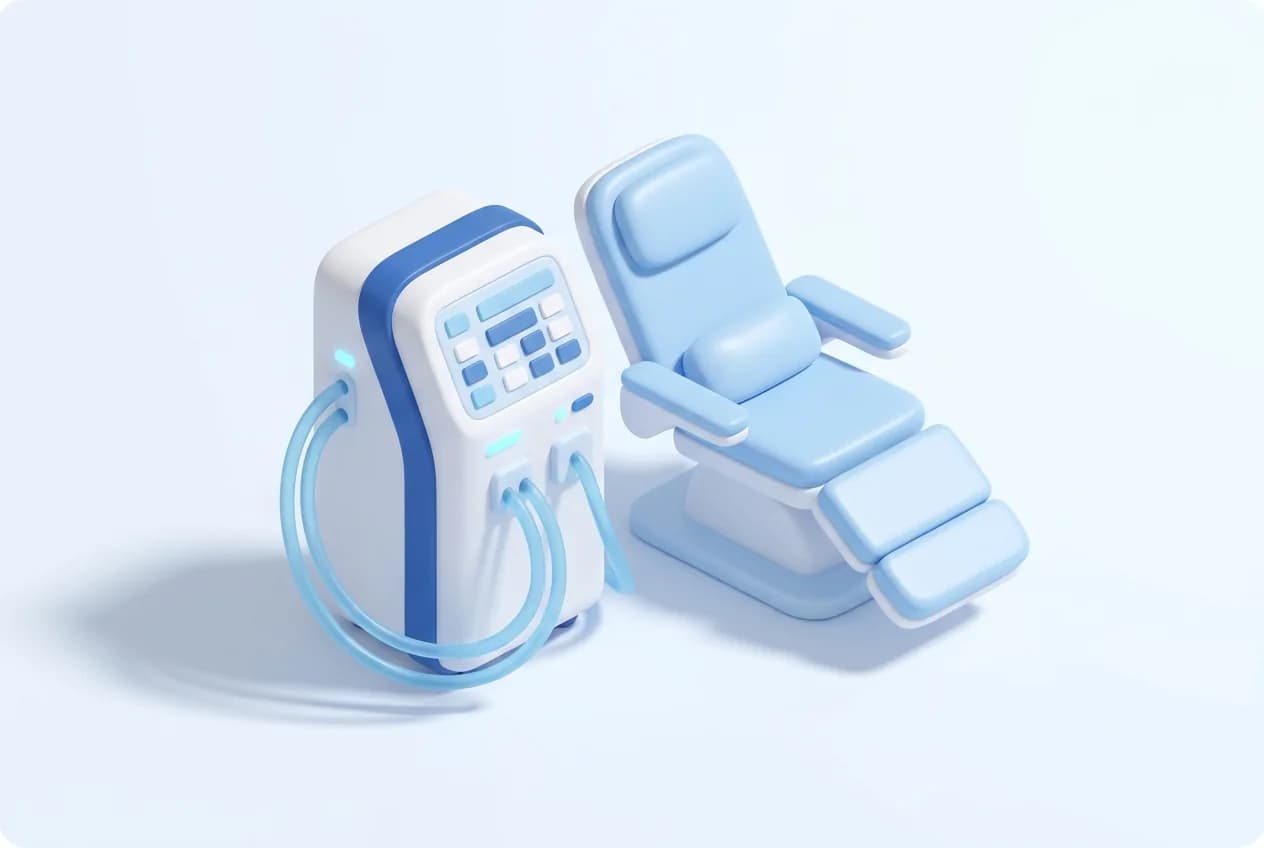
Integration controls to require
- Positive patient-device matching
- Clock synchronization
- Interface failure alerts
- Source-data traceability
- Documented downtime workflow
Predictive views are supplementing judgment
Demand forecasting can combine emergency arrivals, planned surgery, discharge probability, and seasonal patterns to estimate ICU pressure. The best models show uncertainty and relevant drivers instead of presenting a single authoritative number. Bed managers can then prepare staffing or step-down capacity before the constraint becomes acute.
Clinical deterioration scores are also moving into continuous review, but performance can vary across populations and care settings. Hospitals should monitor false alarms, missed events, and subgroup outcomes after deployment. A prediction should trigger a defined assessment pathway, never an automatic clinical conclusion.

Virtual critical care is expanding reach
Remote intensivist support can extend specialist oversight to smaller branches and night shifts. Effective programs clarify who owns bedside decisions, how urgent communication occurs, and what information the remote team can access. Video capability alone does not create a safe virtual ICU.
Shared rounding lists should prioritize unstable trends, new admissions, and unresolved care-plan items. Role-based access must limit remote users to assigned facilities and episodes while retaining a complete activity log. Staff training should include escalation failures and technical downtime, not only ideal consultations.

Virtual ICU readiness questions
- Who retains clinical accountability?
- Which cases require immediate escalation?
- How is patient consent handled?
- What is the downtime alternative?
- How are access logs reviewed?
Operational analytics are becoming more clinical
Occupancy alone says little about strain when patient acuity and nursing workload vary. More mature dashboards combine nurse-to-patient ratios, organ support, delayed transfers, isolation demand, and expected discharge readiness. These measures reveal whether apparent capacity can safely accept another patient.
Leaders should review bottlenecks by cause, such as delayed diagnostics, pharmacy turnaround, transport, or ward acceptance. Connecting the board with lab and pharmacy milestones makes delay ownership clearer. Trends should guide process redesign rather than individual blame.
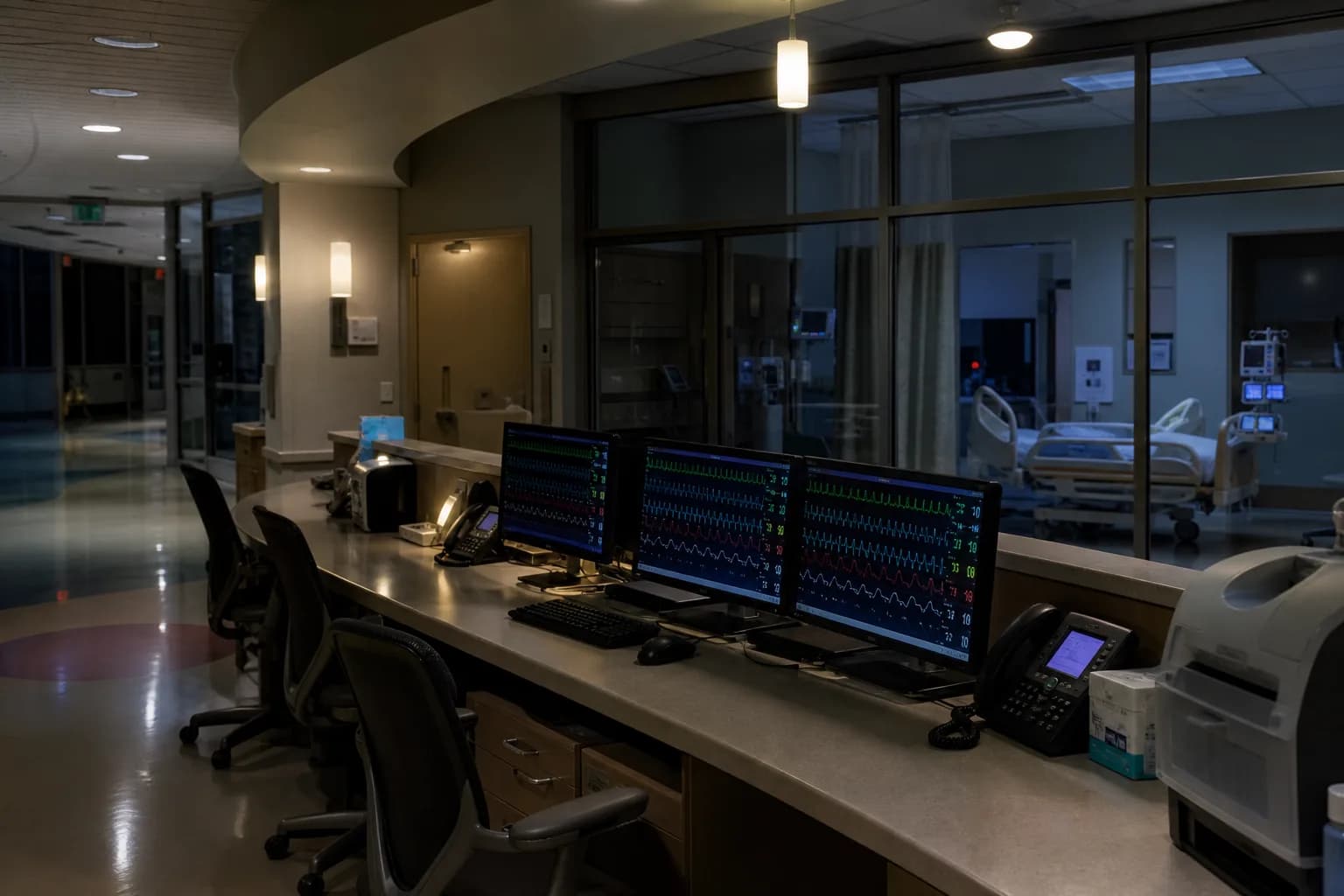
“A bed becomes capacity only when the patient, people, equipment, and downstream plan align.”
Adopt trends with disciplined governance
Hospitals should begin with a measurable operational problem before buying monitoring or prediction technology. A multidisciplinary group must define safety boundaries, data ownership, response expectations, and success measures. Small pilots expose workflow friction before a multi-branch rollout multiplies it.
Review benefits against balancing measures such as alert burden, documentation time, transfer delays, and staff trust. Keep manual contingency procedures tested and accessible because critical care cannot pause during an outage. Technology creates value when it strengthens situational awareness and accountable action.