What makes hospital effluent different
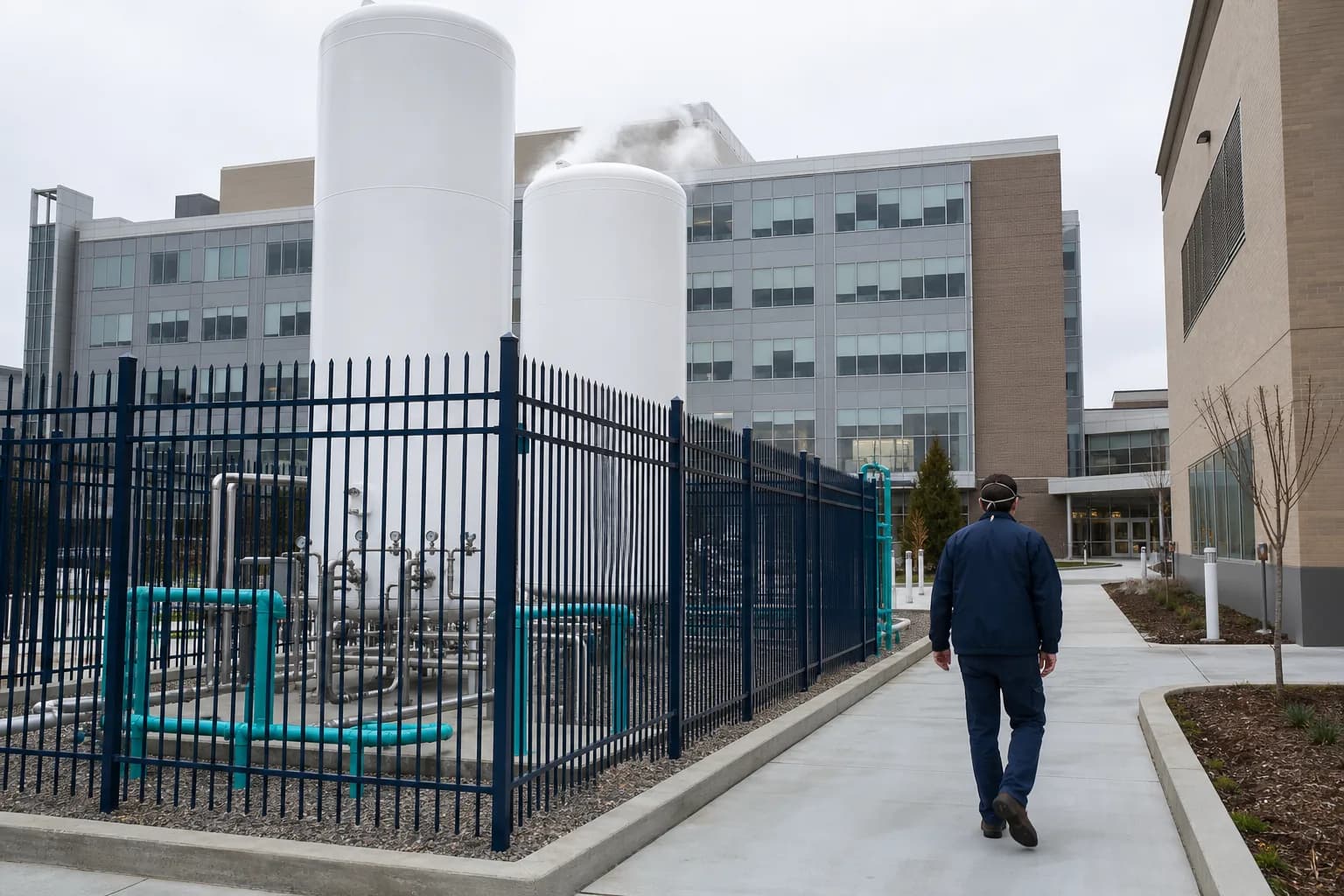
Hospital wastewater differs from domestic sewage in ways that matter to how it must be treated. It carries a pathogen load from clinical areas, residues of pharmaceuticals including antimicrobials, disinfectants and cleaning chemicals in quantities that can inhibit biological treatment, and discharges from specific areas such as laboratories and imaging with their own characteristics. Treating that stream in a plant designed for domestic sewage produces effluent that does not meet discharge parameters and, more importantly, does not achieve disinfection.
The antimicrobial residue point deserves particular attention because it is both an environmental and a public health issue. Hospital effluent is a recognised route by which resistant organisms and antimicrobial residues enter the environment, and this is increasingly what regulators are interested in rather than conventional pollution parameters alone.
The practical consequence is that a hospital cannot simply install a sewage treatment plant of appropriate hydraulic capacity and consider the matter settled. Capacity is the easy part. The disinfection stage, the handling of specific high-strength or hazardous streams, and the operational discipline to run the plant consistently are what determine whether the discharge complies.
Segregating streams before they reach the plant
The most effective interventions happen before treatment. Certain streams should not enter the effluent system at all, and separating them at source is cheaper and more reliable than trying to treat them downstream. Laboratory chemical waste, expired or unused pharmaceuticals, and residues from specific processes have their own disposal routes and are not effluent management problems, though they routinely become so when a sink is the most convenient option.
This is a behaviour and infrastructure question jointly. Staff pour things down sinks because a sink is there and the correct container is not, or is full, or is inconveniently located. Providing the right receptacle at the point where the decision is made, and keeping it serviced, changes practice far more reliably than instruction does. It is the same principle that governs solid waste segregation and it fails for the same reasons.
Radiological and certain other specialised streams carry their own specific handling requirements including, where applicable, decay storage before release. These are governed separately from general effluent and need to be identified explicitly rather than assumed to be covered by the plant.
Streams that should be kept out of the effluent system
- Laboratory chemical and reagent waste with its own disposal route
- Expired and unused pharmaceuticals, including cytotoxic residues
- Concentrated disinfectants disposed of rather than diluted in use
- Specialised streams requiring decay or dedicated handling
- Solid waste of any category reaching drains through poor practice
The treatment train and where disinfection sits
A hospital plant generally follows a conventional sequence — preliminary screening and grit removal, primary settlement, secondary biological treatment, and tertiary filtration — with the essential addition of a disinfection stage before discharge. It is the disinfection stage that distinguishes a hospital plant from a domestic one, and it is the stage most often found underperforming.
Disinfection performance depends on parameters that are easy to get wrong and invisible without measurement: adequate contact time, correct dosing, and sufficiently low turbidity entering the stage, since suspended solids shield organisms from disinfection regardless of dose. A plant meeting its conventional parameters can be failing entirely on microbiological quality if any of these is off, which is why microbiological testing is not optional.
Sludge is the part of the design most often treated as an afterthought and it is a genuine compliance exposure. Sludge from hospital effluent treatment carries the contamination the process removed from the water, and its handling, storage and disposal route must be defined, documented and actually followed. A plant with an excellent effluent record and undocumented sludge disposal has moved its problem rather than solved it.
Consent to operate, and the conditions inside it
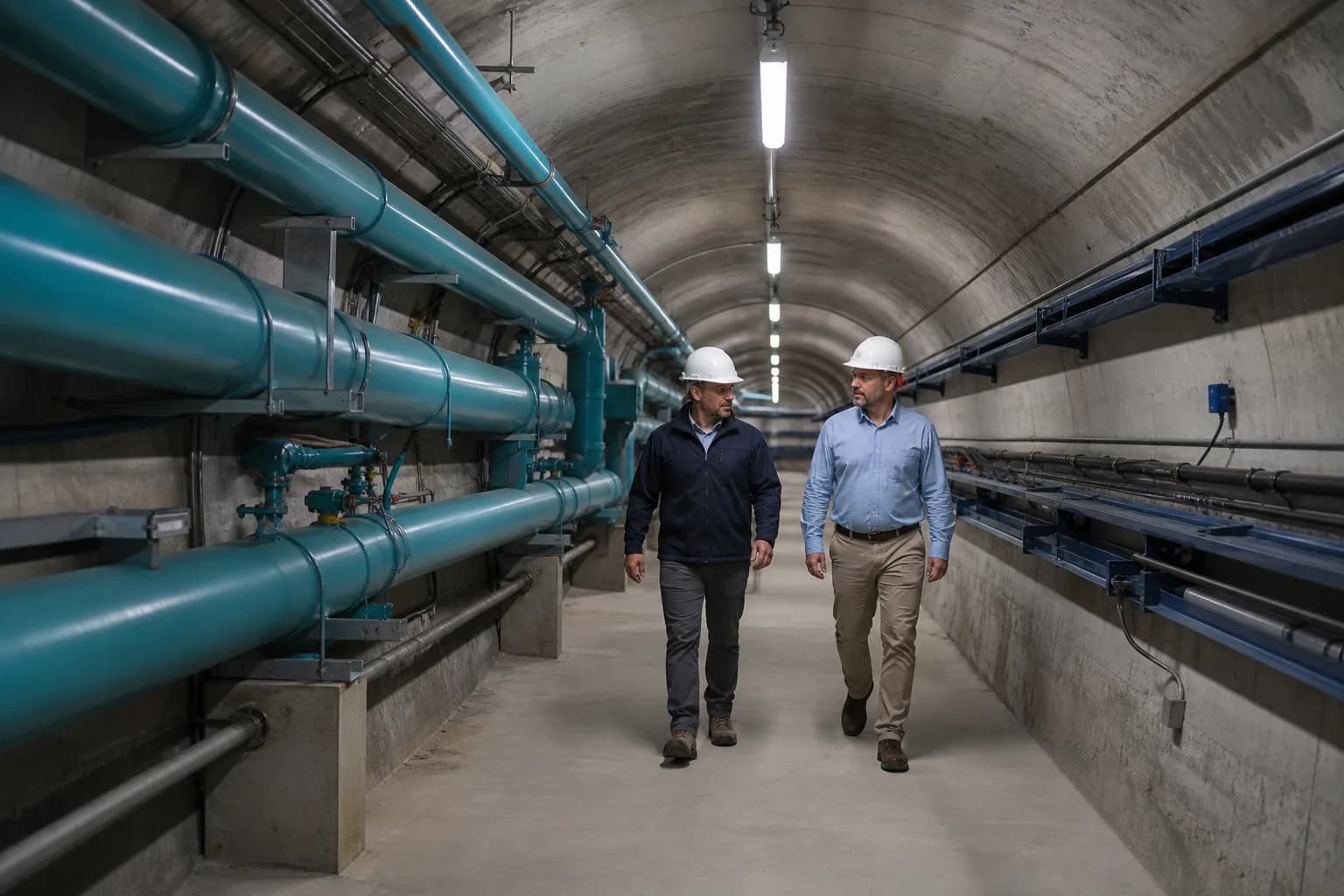
Discharge is authorised through a consent granted by the state authority, and the conditions attached to that consent are the standard your hospital is actually held to. Those conditions are specific to your facility, may be more stringent than general norms, and are frequently unread by the people operating the plant, which is how hospitals end up compliant with a general standard and in breach of their own consent.
Read the conditions and translate them into an operating specification the plant operator works from: which parameters, at what frequency, sampled where, tested by whom, with what records retained. Conditions also commonly cover discharge volume, the discharge point, sludge handling and the requirement to maintain particular records, all of which are auditable and none of which are obvious from the plant itself.
Track the renewal date deliberately and start early, since renewal generally requires the monitoring record for the preceding period. A hospital that has been sampling inconsistently discovers this at renewal, when there is no way to reconstruct the missing data. Renewal is where the year's operational discipline is examined, in exactly the way that fire and other periodic clearances are.
Monitoring and the log book that has to be real
Monitoring has two layers. Routine operational monitoring is done by the operator, frequently, and tells you whether the plant is working today: flows, dosing, key indicators, equipment status, and any abnormality. Compliance monitoring is periodic analysis against consent parameters, generally by an approved laboratory, and it is what demonstrates the discharge complies.
The operational log is the document inspections examine most closely and the one most often unconvincing. Logs filled in retrospectively in identical handwriting, with implausibly stable readings and no recorded abnormalities across months of operation, tell an inspector that the log is a fiction. Real plants have variation, have upsets, and have entries recording what was done about them. A log with no bad days is not evidence of a good plant.
Record deviations and the response, because that record is more valuable than a clean sheet. A plant that recorded an out-of-parameter result, identified the cause, corrected it and verified the correction is demonstrating a functioning management system. The same event unrecorded is a concealed non-compliance, and the difference in how each is regarded is substantial.
What the operational log should show to be credible
- Readings taken at the stated frequency with genuine variation
- Dosing quantities and stock consumption that reconcile
- Equipment downtime, maintenance and the effect on treatment
- Abnormal results with the cause identified and action recorded
- Verification that the correction restored the parameter
“The inspector spent twenty minutes on the plant and an hour on the log book. His comment was that a log where nothing had ever gone wrong in four years told him nobody was reading the instruments.”
Operator competence, which is the real variable
Effluent plants are operated by a small number of people, often contracted, frequently with limited supervision, and plant performance tracks their competence and attention more closely than it tracks the equipment specification. A well-designed plant run without understanding will fail; a modest plant run by someone who knows what the readings mean generally will not.
Invest accordingly. The operator needs to understand not only which valve to turn but why the parameters matter and what a deviation indicates, needs a defined escalation route when something is beyond them, and needs someone in the hospital who reviews their work rather than only receiving their log. The last point is the one most commonly missing, and an unreviewed operator drifts.
Where the plant is operated under contract, the contract should specify competence, staffing, reporting and response obligations rather than simply operation. Then verify what is specified is what is present, because plant operation is an area where the person actually on site frequently differs from the person described in the tender.
Treating it as an operational system rather than a compliance chore
Hospitals that manage effluent well treat it as an operational system with owners, metrics and a review cadence, in the same way as any other utility. The plant's performance appears in estate reporting, deviations are visible, the consent renewal date is tracked alongside other statutory dates, and someone senior looks at it periodically without an inspection having prompted it.
That framing also surfaces the cost sensibly. Effluent treatment consumes power, chemicals, maintenance and operator time, and hospitals that do not measure it cannot tell when consumption has drifted, which is often the first sign that something in the plant is not working as intended. Chemical consumption rising without a change in load is a diagnostic signal available to anyone tracking it.
Keeping those records — monitoring results, consent conditions and renewal dates, maintenance, operator training and deviation reports — in the same operational system the hospital already uses, as a platform such as HealUDoc allows, means the evidence for a renewal or an inspection is assembled continuously. The alternative is a folder that gets urgently reconstructed twice a year, which is both more work and less convincing.