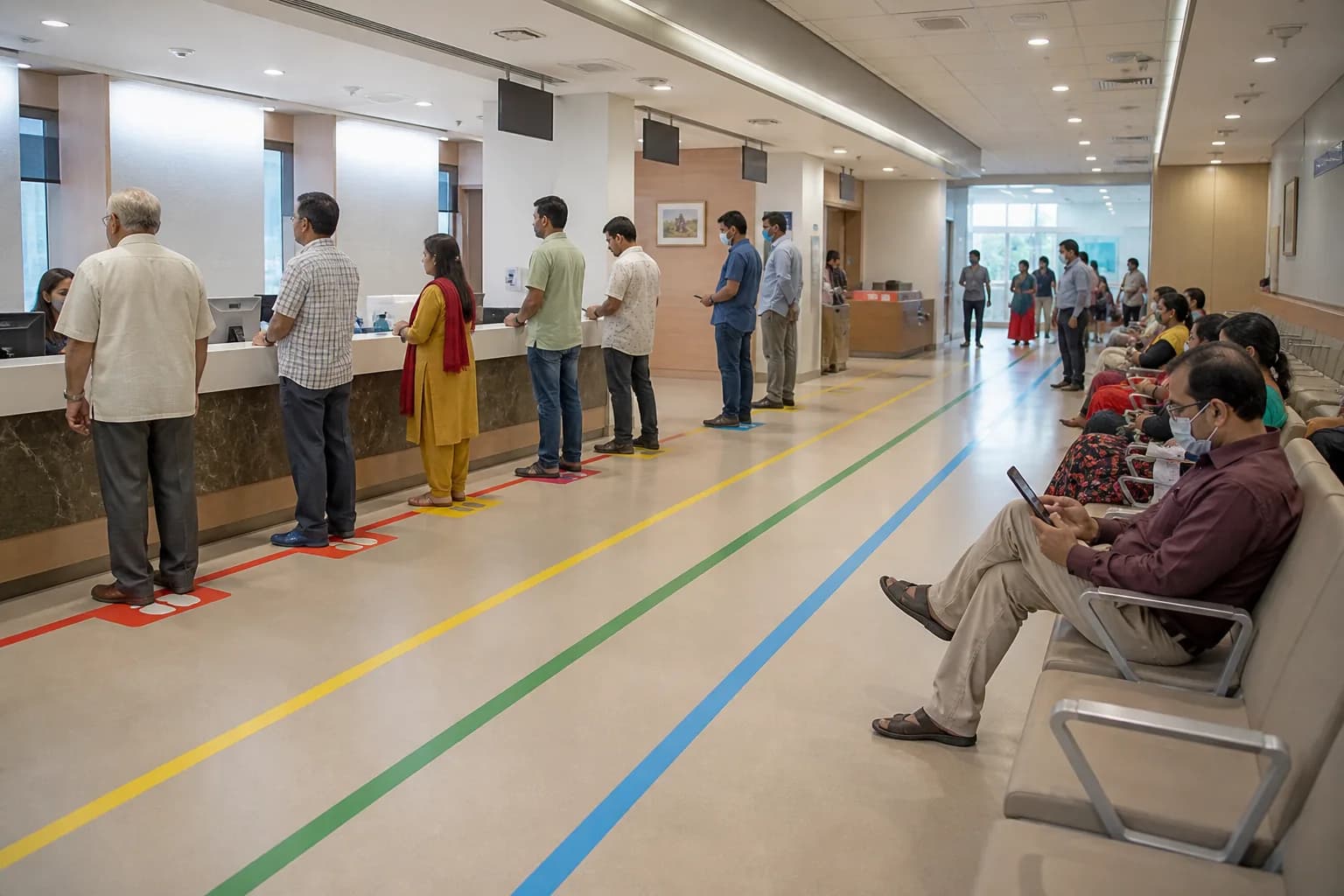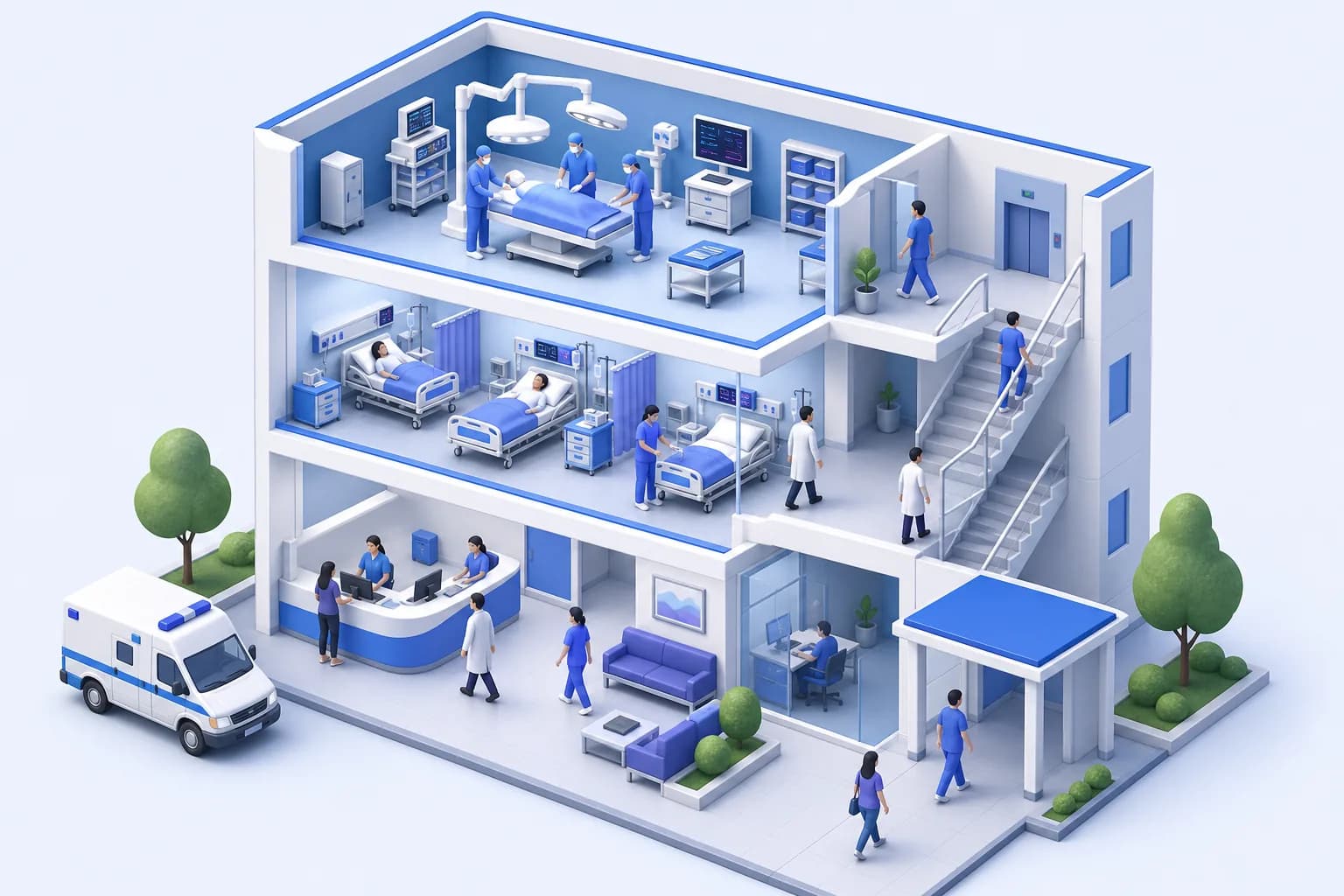
Start with the patient journey, not the software menu
An effective workflow map begins before registration and ends after follow-up, rather than mirroring modules in an EHR. Document what the patient, clinician, nurse, cashier, laboratory, and pharmacy each need at every handoff. This reveals repeated data entry, unclear ownership, and waiting time that a screen-by-screen review often misses.
Separate the common path from clinically meaningful exceptions such as emergency admission, observation, or a patient returning with pending results. Give every transition an accountable role, an expected completion time, and a visible status. HealUDoc role-based access can then expose the right task and context without giving every user unrestricted access to the record.
Map these handoffs first
- Appointment to registration
- Triage to consultation
- Consultation to diagnostics
- OPD decision to admission
- Discharge to follow-up
Create one trusted registration record
Duplicate identities are operational defects with clinical and financial consequences. Use a single medical record number, search existing patients before creating new ones, and verify a small set of demographic identifiers at each encounter. The patient portal should update contact details through a controlled process instead of silently creating a parallel profile.
Registration should capture only information needed for care, eligibility, consent, and communication at that moment. Defer ward-specific questions until admission so OPD queues are not slowed by irrelevant fields. Validation rules, duplicate warnings, and audit trails are more reliable than asking front-desk staff to remember every policy.
Make the OPD consultation the decision hub
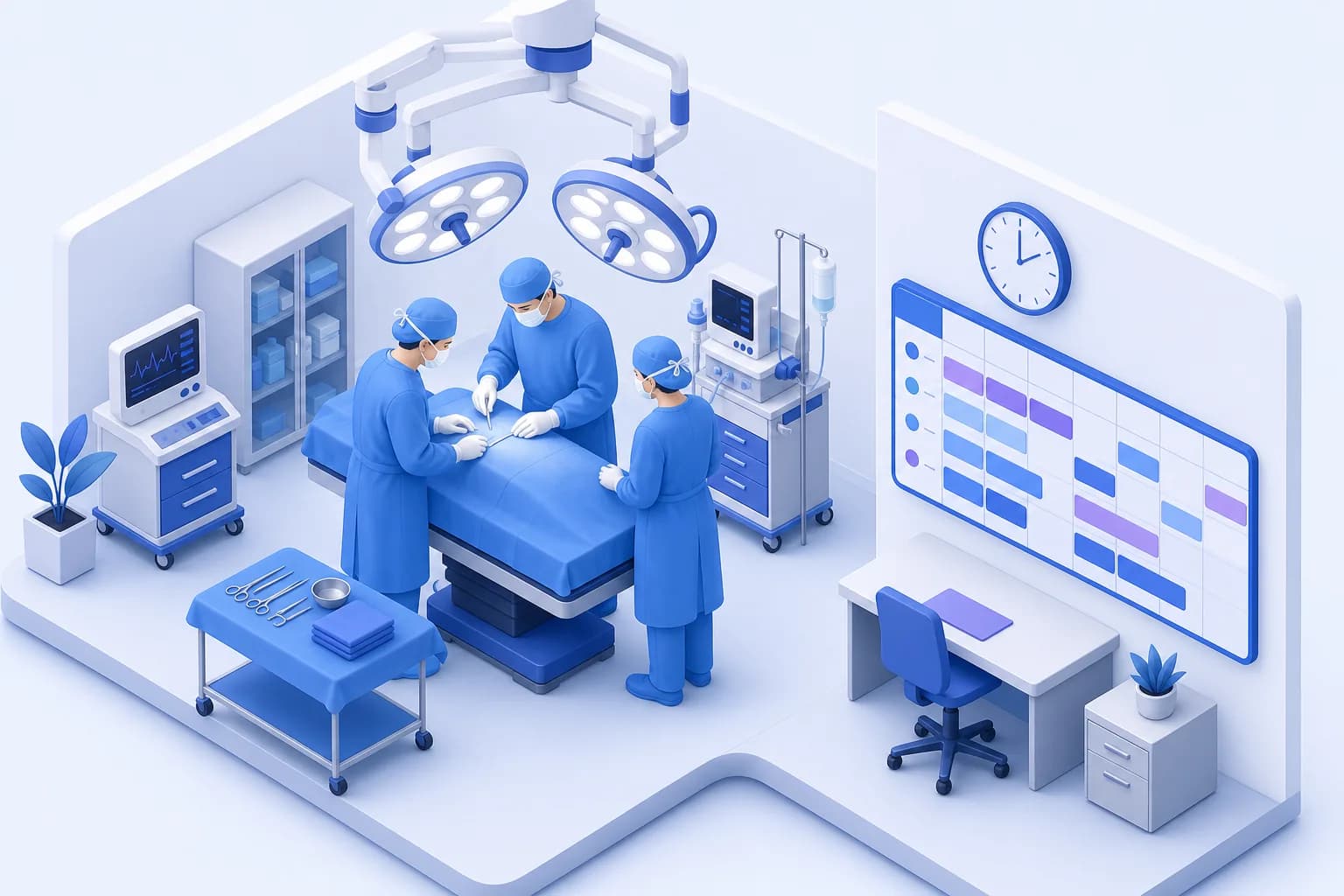
The outpatient encounter should connect symptoms, observations, diagnoses, orders, prescriptions, and the disposition decision in one clinical context. Structured orders reduce transcription errors while narrative notes preserve nuance that coding fields cannot capture. Results from the lab and medication availability from the pharmacy should return to the same encounter rather than arrive through disconnected channels.
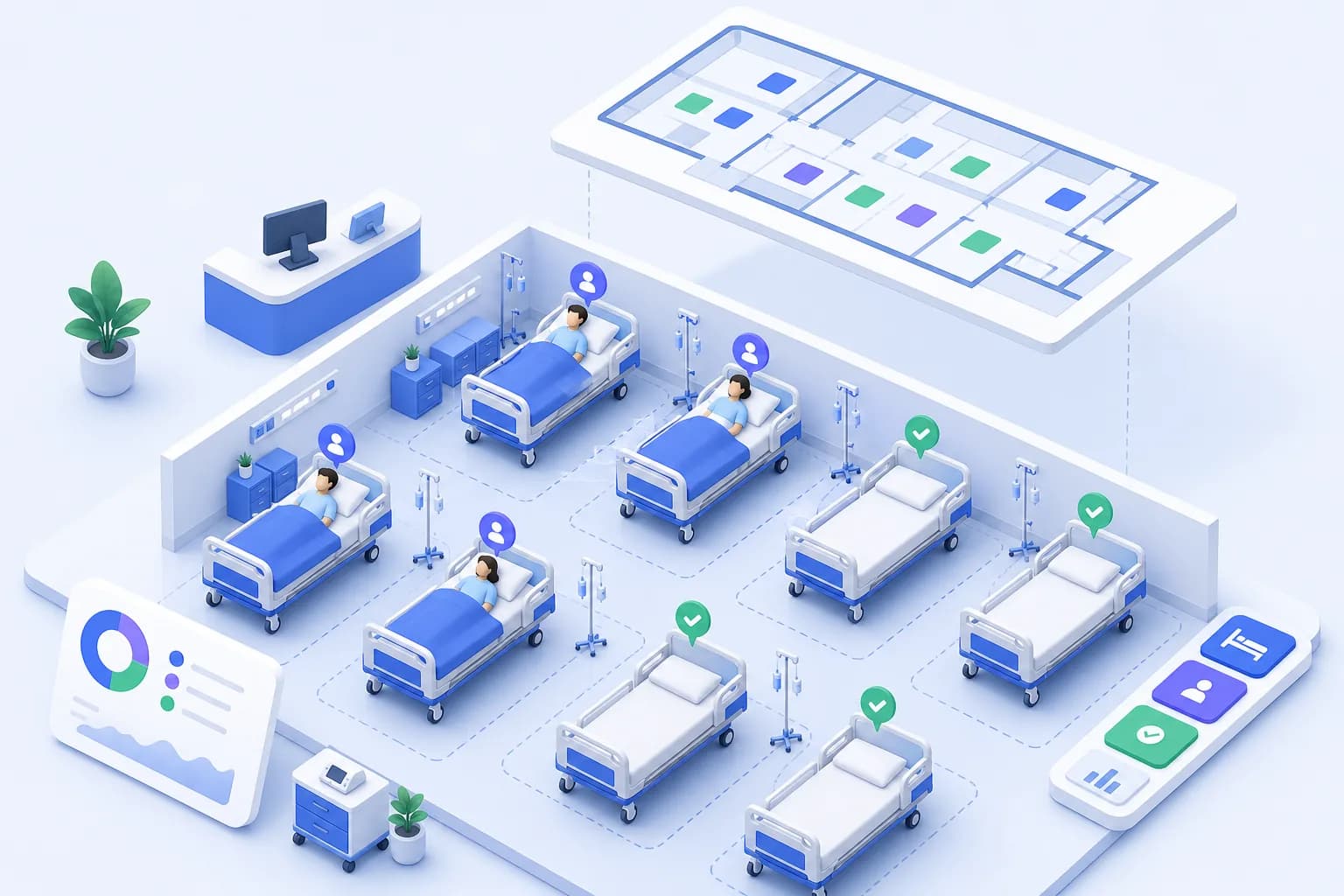
When admission is required, the clinician should initiate an admission request containing diagnosis, urgency, service, isolation needs, and expected level of care. The request is not yet a bed assignment; it is a clinically informed demand signal for the admissions team. That distinction lets hospitals manage capacity without making clinicians negotiate individual rooms.

“Our biggest improvement came when admission became a visible workflow state instead of a phone call that disappeared between departments.”
Transfer context safely into IPD care
An OPD-to-IPD conversion should carry forward verified demographics, allergies, active problems, recent observations, orders, and the clinician's admission rationale. Staff should reconcile these items, not copy and paste them into a new chart. Reconciliation preserves provenance and prevents an outdated outpatient medication from becoming an unintended inpatient order.
The inpatient episode needs its own care team, location history, nursing assessments, medication administration, diet, and discharge planning tasks. Role-based access should follow responsibility: ward nurses need current orders and observations, while finance teams need chargeable events without unrestricted clinical editing. A shared encounter timeline keeps these views aligned around the same patient episode.
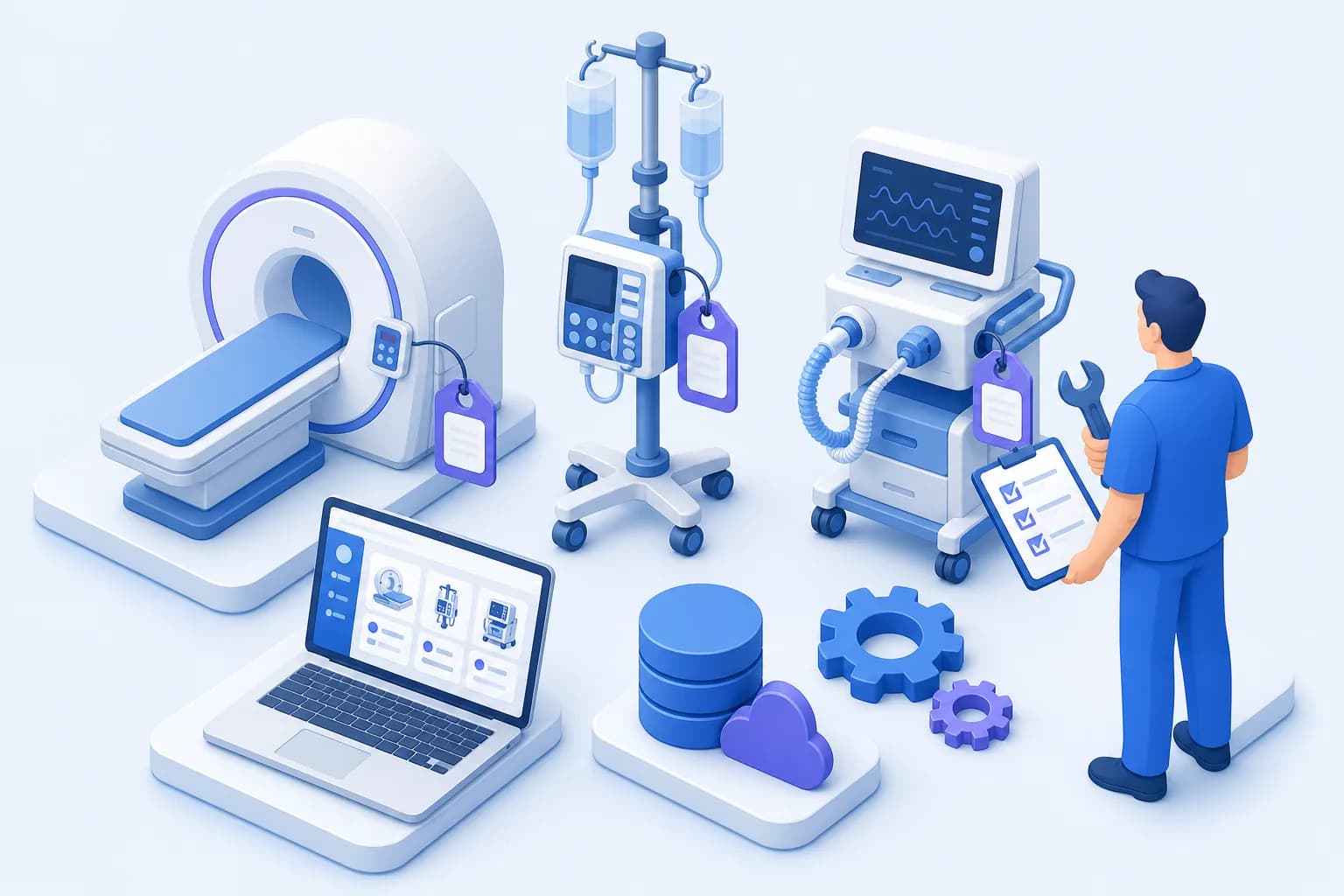
Minimum admission handover
- Reason and urgency for admission
- Allergies and medication reconciliation
- Recent observations and results
- Pending orders and consultations
- Isolation or mobility requirements
Synchronize clinical work with billing
Charges should arise from documented services, dispensed medicines, tests, procedures, and bed occupancy rather than from a second manual ledger. Define when an order becomes billable, when it may be reversed, and who can approve an exception. This keeps the clinical record and patient statement consistent while preserving segregation of duties.
For IPD, use interim bill review to identify missing deposits, duplicate charges, or unposted consumables before discharge day. For OPD, allow a clear sequence for consultation, diagnostics, pharmacy, and final settlement without forcing unnecessary cashier returns. HealUDoc can connect lab, pharmacy, billing, and patient portal activity while retaining module-specific permissions.
Measure flow and improve it continuously
Track operational intervals such as arrival-to-registration, registration-to-clinician, admission-request-to-bed, and discharge-order-to-exit. Report medians and higher percentiles because averages can conceal a smaller group of patients waiting dangerously long. Segment results by branch, department, shift, and disposition to locate the actual constraint.
Review exceptions weekly with representatives from clinical, nursing, admissions, diagnostics, pharmacy, and finance. Choose one bottleneck, test a bounded change, and verify that improvement in one queue did not shift delay elsewhere. Sustainable workflow design is a governed learning cycle, not a one-time software configuration.