Baseline the Current Process Before Quoting a Return
A credible return calculation starts with what today's process actually costs, not with a vendor projection. Measure discharge-to-bill days, the value of charges corrected after invoicing, monthly write-offs grouped by reason code, cashier variance totals, and the hours staff spend rebuilding collection summaries in spreadsheets. Pull at least two full quarters so elective surgery cycles and OPD seasonality do not distort the picture.
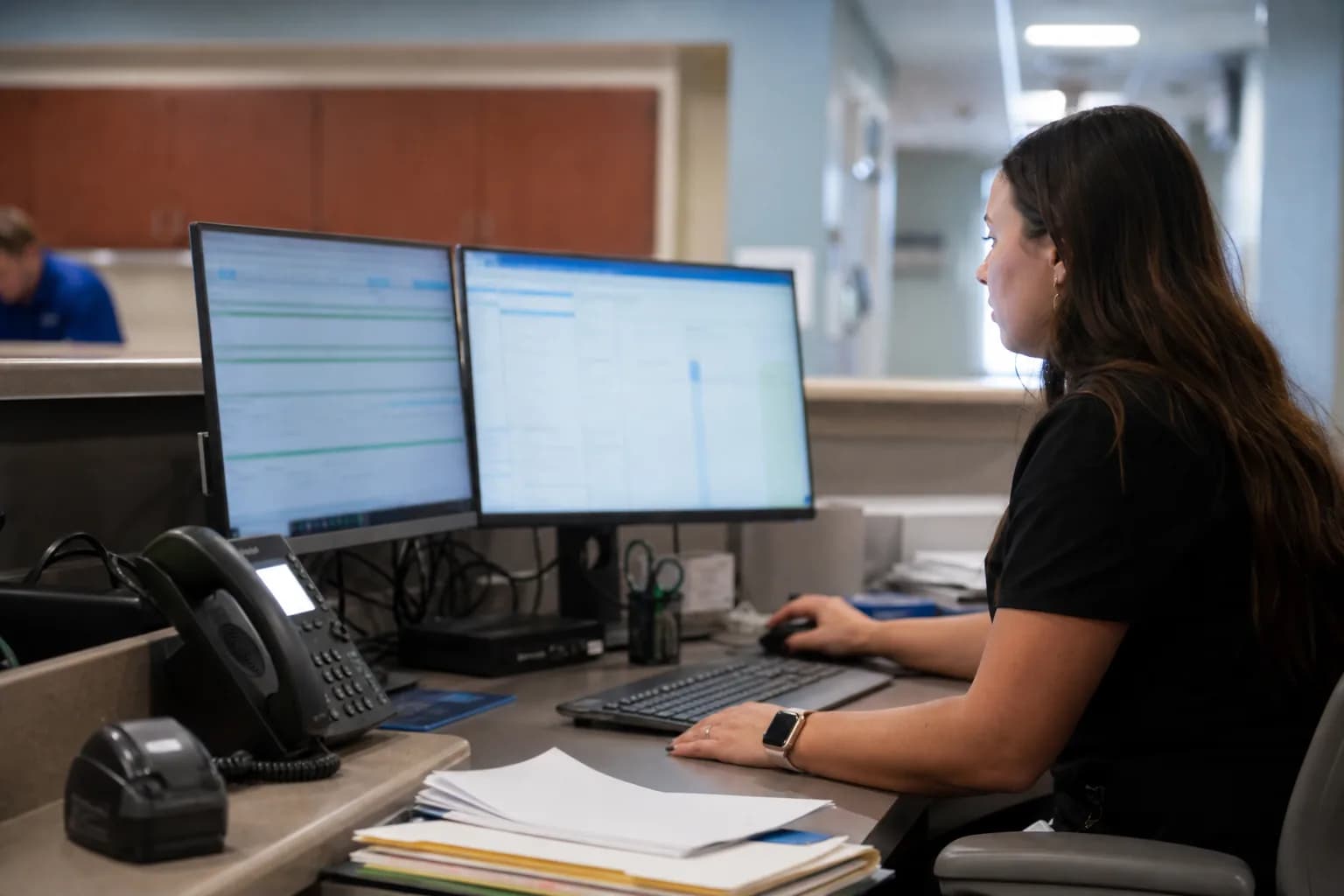
Baseline data usually sits in disconnected places: pharmacy sales in one register, lab revenue in another, corporate panel billing in a shared workbook that only one accountant understands. Reconstructing it is tedious, but it names the specific defects a platform has to fix. Hospitals that skip this step buy features nobody needed while unbilled bed days, missed consumables, and expired authorizations continue untouched after go-live.
Separate Licence Price From Total Cost of Ownership
The subscription line is rarely the largest number. Implementation requires service master cleanup, tariff loading for every corporate panel and insurer, opening balance migration, and parallel running while the old process stays alive. Add internal staff time, because the billing supervisor who validates migrated data is not simultaneously supervising billing. Hospitals that book only the licence fee report a payback period they can never defend at audit.
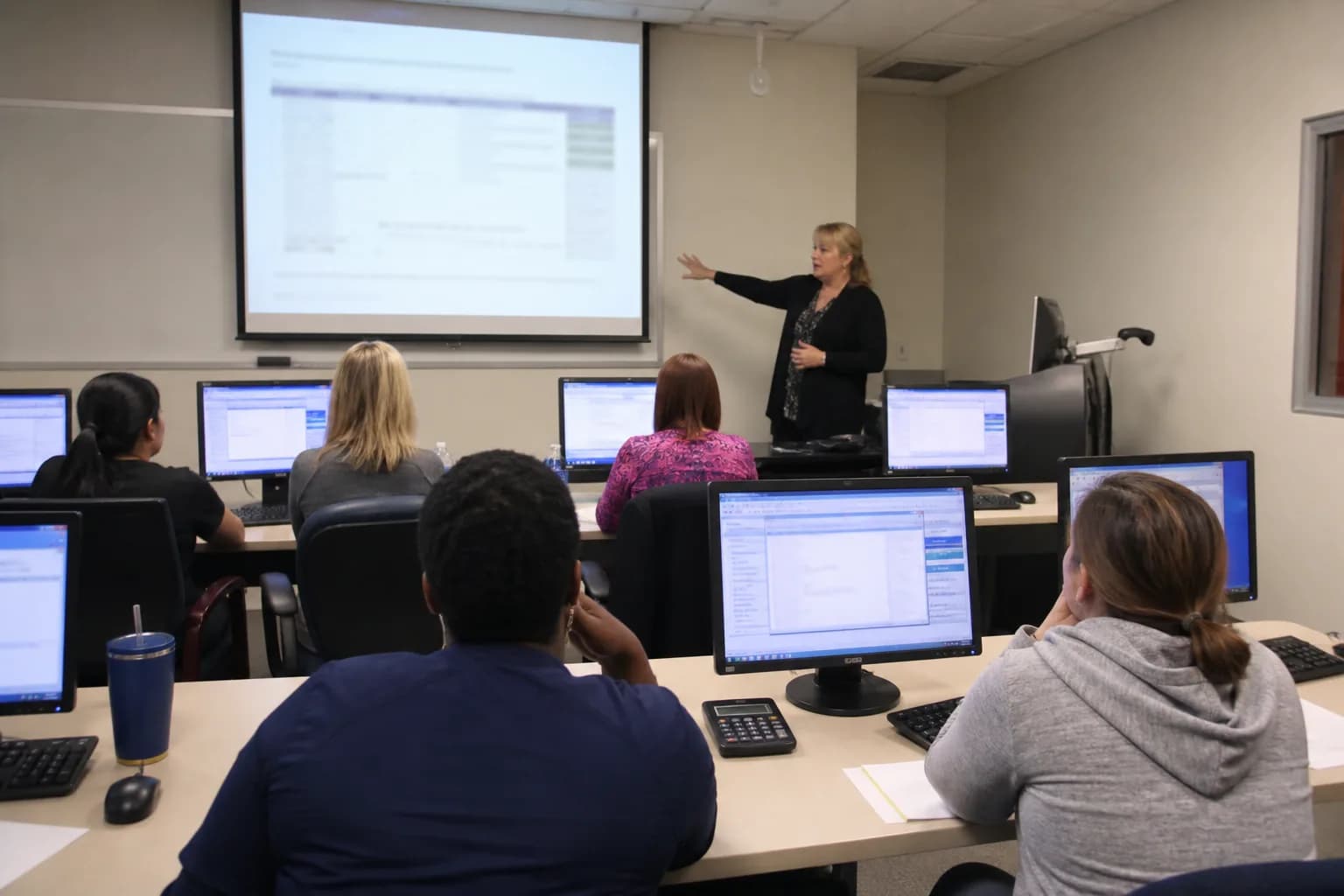
Ongoing costs continue past go-live: refresher training as counter staff rotate, configuration changes when a payer renegotiates rates, and periodic reconciliation between the platform and the accounting ledger. When evaluating HealUDoc or any alternative, ask specifically which of these are covered, which are billable, and who owns tariff maintenance. A cheap licence with expensive change requests is not a cheap system.

Cost lines the business case must include
- Implementation and data migration effort
- Internal staff time during parallel running
- Tariff and contract configuration maintenance
- Training for rotating counter and billing staff
- Infrastructure, backup, and support renewals
Value the Leakage a System Can Genuinely Recover
Revenue leakage is only recoverable where a control can actually intervene. Charges missed because a nursing procedure was never recorded can be recovered by source-level charge capture. Revenue lost because a payer contract is priced below cost cannot. Separate the two before assigning any value, or the business case will quietly promise commercial improvements that the finance system has no power to deliver.
Sample recent invoices against clinical records to size the recoverable portion: consumables issued but not billed, bed days spanning a tariff change, package upgrades never charged, and lab tests repeated without a linked order. HealUDoc generating each charge from the completed clinical event addresses this class of defect directly, and the sample gives you a defensible figure rather than a round percentage borrowed from a brochure.
Model the Labour Effect Without Overclaiming
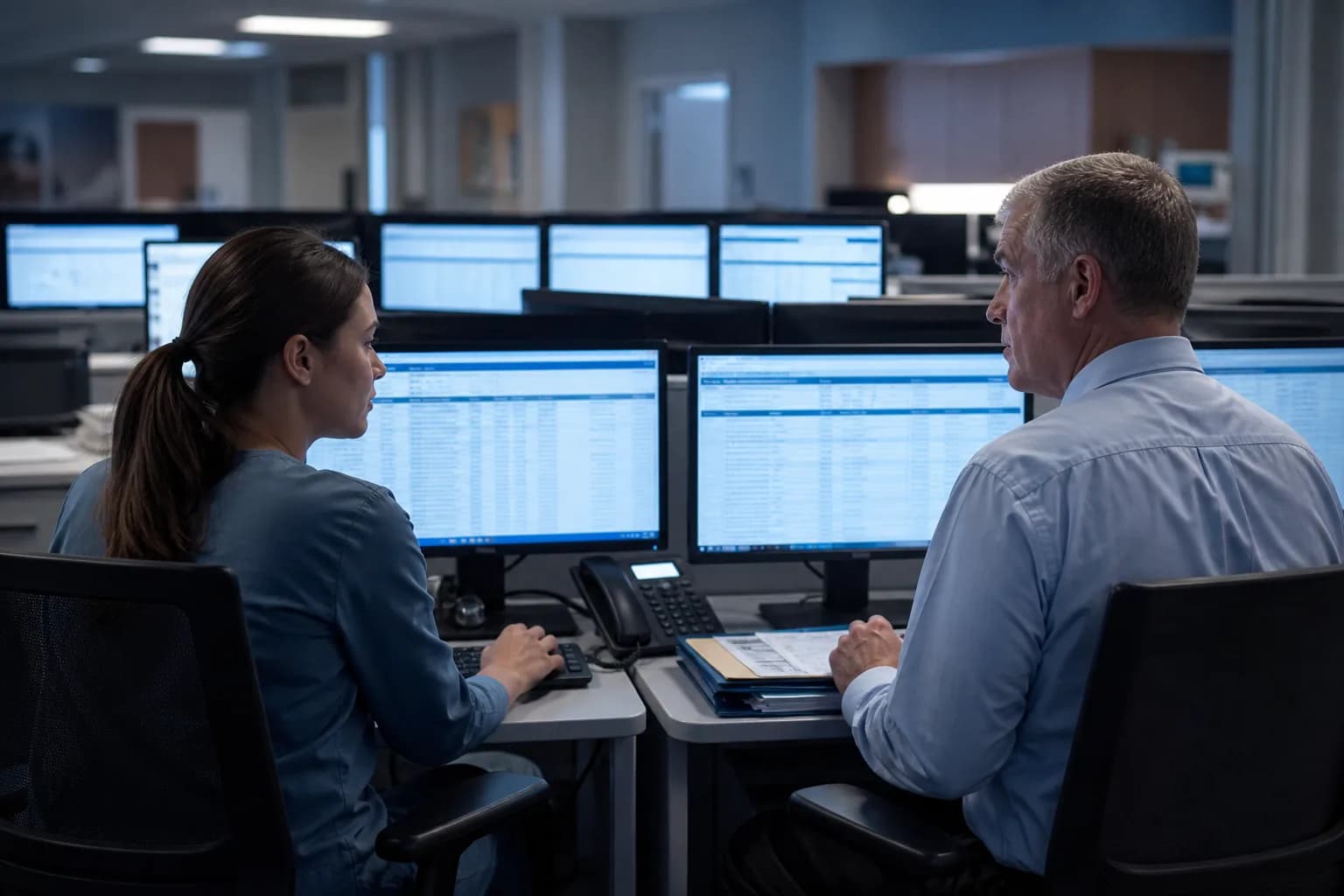
Automation rarely removes headcount in a hospital; it moves effort. Time saved on manual day-end tallies and on retyping lab charges into the billing register tends to reappear as capacity for payer follow-up and query resolution. Write the business case in those terms. Claiming salary savings that the hospital will never execute damages credibility with the board when the promised reduction does not appear.
There are real reductions worth naming. When HealUDoc computes each cashier's expected session balance from posted receipts, refunds, and transfers, the supervisor stops reconstructing it by hand every evening. When corporate panel invoices assemble from the encounters already recorded, the monthly billing crunch stops requiring overtime. Quantify these as hours redirected, and state what the freed hours will be used for.

Stage Payback Against Milestones You Can Verify
A single payback date hides the fact that benefits arrive at different points. Cash control improvements from disciplined daily closing appear within weeks. Denial reductions depend on registration and authorization habits and take a full claim cycle to show. Contract-margin insight needs several months of clean utilization data before renewal conversations can use it. Sequence the business case to match that reality.
Attach a verification method to each milestone so the review is not a matter of opinion. Unresolved variance value, first-pass claim acceptance, discharge-to-bill days, and credit note volume by reason are all readable from HealUDoc reporting once the platform is the system of record. Agreeing the measurement source before signing prevents the familiar argument about whose numbers are correct twelve months later.
Benefit milestones worth tracking separately
- Cash variance and deposit discipline
- Missed-charge value at pre-bill review
- First-pass claim acceptance by payer
- Discharge-to-bill turnaround
- Contract margin visibility at renewal
Revisit the Business Case After Go-Live
Most hospitals never reopen the spreadsheet that justified the purchase. That is a missed control. Twelve months in, compare each projected benefit against the measured outcome and record why the gaps occurred. Often the shortfall traces to an unchanged workflow rather than the software, and naming that honestly is what makes the next technology investment easier to approve.
The review also surfaces benefits nobody forecast. Expense approvals routed through the platform expose duplicate maintenance contracts. Activity records settle payout disputes in minutes instead of days. Corporate account aging becomes readable by branch. These outcomes belong in the record because they change how leaders evaluate the next proposal that lands on the finance committee agenda.
“We stopped defending the original projection and started explaining the variance. That single change made our next system approval far less contentious.”